In brief
France is experiencing a revolution in its wine industry with the emergence of alcohol-free wines, largely driven by changing consumption habits and advancements in winemaking technology. Bordeaux, traditionally synonymous with fine wines, has launched its first dedicated cave for no-alcohol wines, surprising many within the industry. Frédéric Brochet, a leading oenologist, believes the wines have improved drastically since their inception, marking this trend as potentially transformative for the wine sector. As domestic wine consumption declines and younger generations embrace healthier lifestyles, the demand for non-alcoholic options is growing. With innovative production methods resulting in quality alcohol-free wines, the movement is reshaping the cultural landscape of French wine.
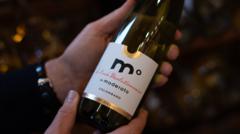
In the vineyards of Bordeaux, a new chapter in wine-making is being written as alcohol-free wines gain popularity in France. Once thought to be an unacceptable compromise, the emergence of these products is indicative of a profound shift, largely propelled by scientific advancements and current economic challenges. Many wine producers, who once would have destroyed grapes rather than contemplate alcohol-free options, are now beginning to explore this burgeoning market.Leading the charge is Frédéric Brochet, a Bordeaux oenologist, who has made strides in creating the Moderato line of no-alcohol wines. Reflecting on their initial attempts, he acknowledges their shortcomings, stating, “When we started a few years ago, what we were making was frankly rubbish.” However, he believes breaking through the alcohol-free bottleneck could revolutionize the wine industry, moving it towards a promising future.In a remarkable shift, Bordeaux opened its first specialized wine shop solely focused on alcohol-free wines, Les Belles Grappes, just last month. The shop owner, Alexandre Kettaneh, notes that local wine-growers have shown interest despite lacking knowledge about the non-alcohol sector. This demand surge coincides with pressing industry struggles, such as declining domestic consumption, a sluggish Chinese market, and potential tariffs amid geopolitical tensions.Young French consumers are leading the way, often favoring non-alcoholic beverages as cultural perceptions change. Notably, 10% of the French beer market now consists of alcohol-free options, with Spain surpassing this figure at 25%. Improved technology is enabling winemakers to create beverages that can officially be marketed as wine, rather than “beverages derived from de-alcoholized wine,” enhancing overall appreciation.Innovative low-temperature vacuum distillation methods have emerged, significantly enhancing the taste of non-alcoholic wines. While the drinking experience may differ from traditional wines, experts like Fabien Marchand-Cassagne assure consumers of the authentic wine experience, complete with bouquet and tannin balance.At the Clos De Bouard estate, a third of current sales stem from their alcohol-free offerings, a testament to the growing trend. Owner Coralie de Bouard recalls being ostracized by her family for her foray into the no-alcohol market, receiving backlash from traditionalists who deem it a threat. However, changing sentiments have led her family to recognize her contributions to their survival in challenging times.As the wine landscape evolves, even skeptics acknowledge the need for adaptation to retain customers amidst shifting inclinations. Advocates for alcohol-free wines underscore the inclusivity they foster for non-drinkers, reviving social rituals tied to wine tasting and discussion.In reflecting on these changes, oenologist Brochet remarks on the historical innovations that have shaped winemaking, suggesting that today's developments are necessary for preserving both the industry and the rich cultural heritage of French wine. Emphasizing adaptability, he aligns with poet Paul Valery’s notion: "What is tradition, but an innovation that succeeded?"