In brief
As illegal gold mining escalates in Ghana, communities are left grappling with polluted waterways and the ramifications of “galamsey.” The efforts of activists and artists to highlight this issue come amid widespread protests, but government action remains uncertain in the face of impending elections.
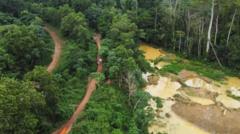
The rapid expansion of illegal gold mining, locally termed "galamsey," in Ghana is raising alarm over severe environmental consequences. Water pollution from mining activities has reached critical levels, with artists using contaminated river water as a paint medium to reflect the environmental degradation. Israel Derrick Apeti, known as Enil Art, highlighted the dire state of the Pra River, saying, "I could actually paint with the water. It was so bad."The illegal mining, primarily driven by mercury usage, is rampant in forest and farm regions, inflicting extensive damage on land and water resources. Regions famous for cocoa cultivation are now at risk as water quality degrades, with organizations like WaterAid classifying the situation as "ecocide." Demonstrations in Accra have called for government intervention to halt the illegal activities, but police have responded with arrests, leading to public outcry and calls for action using hashtags like #stopgalamseynow.In Ghana, which ranks as the sixth-largest gold exporter and second in cocoa, the intense demand for gold has altered mining methods, shifted from traditional hand tools to sophisticated machinery employed by foreign interests, particularly from China. The impact has been devastating; local communities now report rivers once teeming with wildlife transformed into murky, toxic waterways. Music artists like Black Sherif and Stonebowy have raised awareness through performances, condemning illegal mining's impact on their homeland and urging for accountability. Yet, the illegal industry persists, fueled inadvertently by economic strife that leaves many seeking any means to survive. Local voices emphasize that while officials can confiscate mining equipment, the miners return under cover of darkness, illustrating the difficulty of enforcing the law.Experts warn that such environmental degradation threatens not just local ecosystems, but potential water shortages for the country. With Ghana's state utilities predicting looming crises if illegal mining continues unchecked, a clamor for decisive government action echoes amid allegations of complicity among local powers.As the situation unfolds, critics point out the government’s inadequate response, particularly as elections approach and those supporting illegal mining may influence outcomes. While promises made by President Nana Akufo-Addo to curb galamsey remain unfulfilled, communities are left to navigate the toxic fallout of this gold rush, calling into question both health and environmental futures.