
In brief
244,000 people are in catastrophic need, and urgent action is required to avert an impending famine in the region.
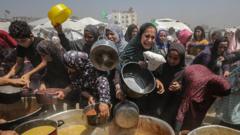
In a chilling report released by the Integrated Food Security Phase Classification (IPC), a UN-supported organization, Gaza's population of approximately 2.1 million faces an imminent risk of famine amid extreme food insecurity exacerbated by the ongoing Israeli blockade of humanitarian aid. The assessment highlights a significant decline in food security since October 2024, though it currently does not classify the situation as a famine. The report notes that a temporary respite was observed during a two-month ceasefire between Israel and Hamas, but renewed military operations and the blockade initiated in early March have sharply reversed any gains made in food access. Currently, around 244,000 individuals are experiencing "catastrophic" levels of food insecurity, emphasizing the urgent need for intervention to stave off a full-blown famine.Since mid-March, Israel's military campaign has barred essential supplies such as food and medical aid from entering Gaza, continuing for an alarming 70 days. Israeli authorities claim that the blockade is necessary to pressure Hamas into releasing hostages. This has drawn widespread condemnation from the international community, including the UN, which indicates that aid supplies are ready crossing the border if permitted by Israel. Agencies warn that this blockade could be considered a war crime and reflects a strategy of starvation.The IPC's report also reveals that nearly half a million people, or one in five, are on the verge of starvation, with projections indicating that approximately 71,000 children under five are expected to suffer acute malnutrition in the coming months. Many households are resorting to desperate measures to secure food, such as collecting trash for sale or begging.The findings paint a grim picture of escalating human suffering in Gaza as 1.95 million individuals, or 93% of its population, endure high levels of acute food insecurity, with catastrophic levels affecting many. Meanwhile, Israeli officials have denied the existence of a hunger crisis, citing the aid that was permitted during the ceasefire.This report emerges against a backdrop of complex negotiations, as Hamas announced plans to release Israeli-American hostage Edan Alexander to facilitate humanitarian efforts. However, Israeli officials indicate no official commitment to a ceasefire beyond ensuring a "safe corridor" for hostages.As US President Donald Trump visits the Middle East, Israel has threatened to intensify military operations against Hamas if an agreement is not reached during this critical period. Plans discussed by Israeli officials include expanding territorial control and modifying aid distribution, leading to further tensions with humanitarian organizations like the UN, which express concerns over potential misuse of aid.The ongoing conflict, which ignited with the Hamas attack on southern Israel on October 7, 2023—resulting in the deaths of approximately 1,200 Israeli citizens and the capture of over 250 hostages—has escalated dramatically, with devastating consequences for the people of Gaza. According to figures from the Hamas-run health ministry, Israeli military actions have resulted in over 52,862 fatalities in Gaza, underscoring the urgency of both humanitarian intervention and conflict resolution.


