In brief
As the international community condemns Israel for its role in the starvation of Gaza residents, the Israeli Defense Forces (IDF) have announced new humanitarian measures. These include airdrops of aid and a temporary suspension of military operations in certain areas, yet skepticism from humanitarian organizations persists.
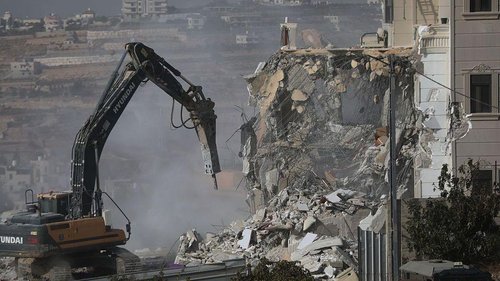
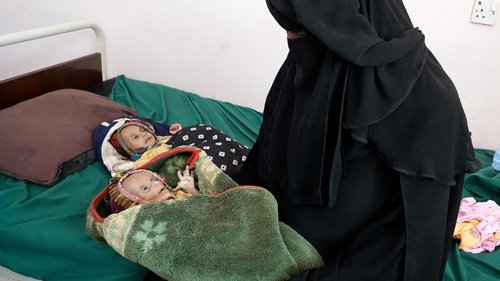
Israel's latest announcement follows sustained international pressure regarding the humanitarian crisis in Gaza. In a bid to alleviate growing concerns, the IDF has initiated airdrops of food and supplies, reportedly conducting the first operation overnight while also allowing support from the United Arab Emirates air force. Additionally, a tactical pause in military action has been declared in specific regions, accompanied by the establishment of humanitarian corridors aimed at countering claims of starvation in Gaza. However, this move has been met with criticism from Hamas, which labels the actions as a ploy for social image enhancement.Notably, reports emerged that an Israeli airstrike occurred during the so-called tactical pause, resulting in civilian casualties, including children. Despite Israel's claims to the contrary, global allies such as Britain, France, and Germany have openly criticized its approach to aid distribution. These nations are urging Israel to lift restrictions to enable humanitarian organizations to effectively operate in Gaza, assertion supported by the United Nations.Israel's blockade of Gaza has sparked intense debate over its humanitarian implications, with accusations of utilizing starvation as a method of warfare surfacing post-announcement of aid measures. Humanitarian agencies criticized Israel's recent actions, emphasizing the inadequacy of aerial aid drops compared to ground operations, which can ensure safer, more effective distribution of necessities. Current efforts have been described as insufficient, as many individuals remain without sustenance for days.In response to the IDF's claims, humanitarian officials highlighted the dire state in Gaza, suggesting that reversing the brutal conditions necessitates improved transit times for aid trucks and firm guarantees of safety for civilians accessing food supplies. The rising tension has led to heightened scrutiny of Israel's compliance with international humanitarian law, particularly against Prime Minister Benjamin Netanyahu and his defense minister, who are facing allegations of crimes associated with war.The ongoing plight of Gaza's densely populated territories remains compounded by logistical challenges and civil risk factors, as efforts to air-drop aid have proven inefficient in meeting the overwhelming needs on the ground. By remaining persistent in their commitment to address these humanitarian concerns, it is hoped that tangible improvements can be seen, leading to a more comprehensive solution beyond temporary measures.