
In brief
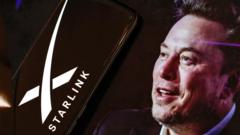
The ongoing dispute between Elon Musk’s Starlink and South Africa centers on the company’s inability to secure a license due to legislation requiring a 30% ownership stake for historically disadvantaged groups. Musk claims racial bias underlies the issue, while South African authorities clarify that Starlink has yet to apply for the necessary licenses.
The debate over Starlink's entry into South Africa has escalated following comments from Elon Musk, who suggested that the company’s challenges stem from discriminatory policies against foreign investors. Musk made headlines after stating on social media that Starlink was denied the ability to operate in South Africa “simply because I’m not black.” However, the Independent Communications Authority of South Africa (Icasa) clarified that no application had been received from Starlink for the required operating licenses.The South African government maintains that Starlink is welcome to establish operations if it adheres to the local laws that seek to rectify the inequities left by apartheid. The regulations stipulate that companies must include a minimum of 30% ownership from historically disadvantaged groups, predominantly comprising black South Africans who faced systemic economic exclusion during apartheid.After apartheid officially ended in 1994, the African National Congress (ANC) sought to create an inclusive economy through policies surrounding "black empowerment." Musk, born in South Africa, expressed frustration at these laws, perceiving them as a barrier for foreign companies like Starlink.South Africa’s Communications Minister, Solly Malatsi, has shown an interest in easing these restrictions and hinted at potential changes to the policy that might exempt Starlink from partnering with black-owned firms. Yet, significant political resistance persists, especially from ANC members who argue that compliance with existing "transformation" laws is not negotiable.Relations between the U.S. and South Africa have notably soured, with former President Trump and Musk echoing sentiments regarding “racist ownership laws.” Trump has threatened to withdraw from upcoming international summits in South Africa, citing concerns over alleged land confiscations. Musk's claims have drawn criticism and are largely viewed with skepticism within local and international contexts.As Musk's relationship with South Africa’s government fluctuates, the path forward for Starlink remains uncertain. Notably, while other African nations like Lesotho and Somalia have welcomed Starlink with open arms, South Africa stands firm on its regulations. Meanwhile, President Cyril Ramaphosa aims to improve diplomatic ties with the U.S., indicating the political complexities surrounding Musk’s claims and the need for both parties to navigate this intricate landscape carefully.Despite the hurdles, Starlink could play a significant role in expanding internet access to the many South Africans still without connectivity. Nevertheless, reaching a mutual agreement that respects local economic policies while facilitating investment from global players remains a critical challenge for the South African administration.


