In brief
The selection of the next pope is poised to be a historic and unpredictable process, with a diverse group of candidates emerging from around the globe, potentially reshaping the Catholic Church.
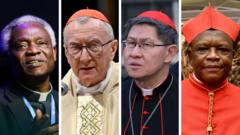
As the Roman Catholic Church transitions into a new era, speculation is rife about who will be the next pope, reflecting a significant shift in the demographics of the Church’s leadership. The next pope will be chosen in a conclave within the Sistine Chapel, where the College of Cardinals will vote until a single candidate emerges. With approximately 80% of the cardinals being appointed by Pope Francis, this conclave marks a unique moment, as for the first time, less than half of the voting members are European. This could pave the way for a leader from a non-European background, potentially an African or Asian pope, or perhaps a long-established figure within the Church’s hierarchy.Notable names being discussed as possible successors include:**Pietro Parolin** (Italy, Age 70): The Vatican's secretary of state under Pope Francis, Parolin has a reputation for diplomacy and global focus. However, he faces criticism for his conservative stance on issues such as same-sex marriage yet remains a frontrunner given his extensive experience within the Vatican.**Luis Antonio Gokim Tagle** (Philippines, Age 67): A key player from Asia, Tagle is seen as a moderate voice within the Church, often aligning with the progressive ideals of Pope Francis. His grassroots experience gives him a robust appeal among many cardinals.**Fridolin Ambongo Besungu** (Democratic Republic of Congo, Age 65): Ambongo is known for advocating for the Church amid cultural conservativism. He draws support from Africa's growing Catholic population but maintains a firm stance on traditional values, potentially balancing various perspectives within the conclave.Other candidates such as **Peter Kodwo Appiah Turkson** (Ghana), **Peter Erdo** (Hungary), and **Reinhard Marx** (Germany) also bring varied experiences, balancing conservative and progressive elements in their candidacies. Additionally, figures like **Marc Ouellet** (Canada), **Robert Prevost** (USA), and **Robert Sarah** (Guinea) are mentioned, each with unique backgrounds and connections to the Church's past and future.As the conclave approaches, the outcome remains uncertain, with a multitude of dynamics influencing the decision. The College of Cardinals stands at a historic crossroads that may redefine the direction of Catholicism worldwide.