
In brief
During a tense exchange with Ukraine's leader, Vance's remarks signal a shift in diplomatic norms as he openly challenges Zelensky's stance on US engagement in the Ukraine-Russia war, revealing his alignment with Trump’s populist approach and redefining the vice-presidential role.
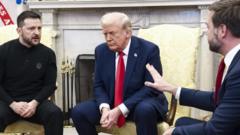
In a surprising move during a recent Oval Office meeting, US Vice President JD Vance took the initiative to confront Ukrainian President Volodymyr Zelensky, positioning himself as a vocal advocate for President Donald Trump's foreign policy stance. The meeting, initially characterized by cordiality, shifted dramatically as Vance accused Zelensky of undermining US interests and criticized his past support of Democratic candidates."What kind of diplomacy are you referring to?" Zelensky questioned, expressing skepticism about direct talks with Moscow. Vance replied, emphasizing a form of diplomacy he claims could prevent further destruction in Ukraine. His comments, which included allegations that Zelensky campaigned for Democrats in Pennsylvania, drew support from Republican figures, with many praising Vance for defending American interests.Vance’s outspoken nature marks a departure from the traditional, more reserved behavior expected from US vice presidents. Unlike his predecessor, Mike Pence, Vance’s aggression reflects a foreign policy that is critically skeptical of aid to Ukraine, a sentiment he expressed during his Ohio Senate campaign in 2022.This confrontation in the Oval Office is part of a broader trend where Vance engages in ideological battles at international forums, evident in his inflammatory remarks at the Munich Security Conference regarding European democracy and immigration. His assertion that European leaders are unable to manage their own voters has been met with backlash, yet it indicates a greater ambition to promote a pro-Trump agenda in Europe that aligns with his recent critiques of Zelensky.The Vice President seems to be carving out a dual role—acting as a defender of Trump's policies while simultaneously positioning himself for future political endeavors, potentially aiming for the presidency. As questions arise about the motivation behind Vance’s confrontational tactics, one thing is clear: he is no longer just a subordinate figure in Trump's administration but is emerging as a significant political player with his own agenda.
