
In brief
US-China trade talks in Geneva see president optimistic amid existing tariff disputes
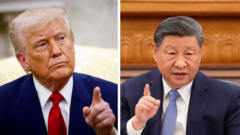
In a significant development, President Donald Trump has lauded the initial day of US-China trade discussions in Switzerland, referring to it as a "total reset" in bilateral economic relations. The talks, characterized by Trump as "very good," took place amid escalating tensions and tariffs previously imposed by both nations, with the US levying a staggering 145% on Chinese imports in response to alleged unfair trade practices.The engagement marks the first formal dialogue since the US implemented these tariffs at the year's onset. In his commentary on social media, Trump emphasized the constructive nature of the negotiations, initiated between China’s Vice-Premier He Lifeng and US Treasury Secretary Scott Bessent. Trump expressed optimism, stating, "We want to see, for the good of both China and the U.S., an opening up of China to American business. GREAT PROGRESS MADE!!!"Despite Trump's upbeat remarks, the White House has maintained a cautious stance regarding unilateral tariff reductions, asserting that China must offer concessions moving forward. Ahead of the talks, both sides exchanged ultimatums, with China's leadership insisting on tariff alleviation and Bessent underscoring that the discussions were aimed at "de-escalation" rather than securing a comprehensive trade agreement.Chinese state media indicated that the country’s decision to engage with the US was influenced by global expectations and the needs of American businesses. Reports suggest that Chinese exporters have been feeling the strain from US tariffs—the technology firm Sorbo Technology stated that half of its typical sales to the US are now stagnant in storage. In parallel, the US economy faced a quarter-on-quarter contraction of 0.3%, attributed to firms accelerating import activities amid rising tariffs.The trade friction reached new heights recently when Trump announced a sweeping baseline tariff applicable to all imports, dubbed "Liberation Day," impacting around 60 countries designated as top trade offenders. Trump followed with additional tariffs on steel, aluminum, and automobiles, casting the moves as necessary responses to years of disadvantageous trade dynamics.Meanwhile, an agreement between the US and UK to reduce car tariffs from 25% to 10% on up to 100,000 UK vehicles—matching the previous year's export levels—emphasizes the intricate web of international trade relations shaped by these developments. As the US navigates its trade strategy, the dialogues in Geneva hold immense significance for future economic interactions between China and the United States.

