
In brief
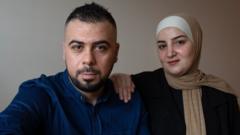
After years of silence, Syrian refugee Abdullah Al Nofal reveals to his wife, Douna, the harrowing truths of his experience in Al-Khatib prison. This emotional confrontation sheds light on the suffering endured during Syria's civil war, emphasizing the need for stories to be told and heard.
It was a shocking revelation for Douna Haj Ahmed, a Syrian refugee, when she learned the harrowing details of her husband Abdullah Al Nofal’s detention in the notorious Al-Khatib prison, a place many refer to as "Hell on Earth." This moment unfolded in early December, while Douna was watching news coverage of prisoners escaping Syria’s brutal regime following rebel victories against Bashar al-Assad. Abdullah, her husband of eight years, sat beside her, tears streaming down his face, as he recognized the prison in the news. "This is where I was arrested...” he confessed, exposing the traumatic history he had kept hidden for years.Douna reflected on how her husband, typically emotionally reserved, opened up in this moment, sharing experiences that had long been buried. “I saw him weak. I saw him crying,” she said. This turning point prompted the couple to share their story, raising awareness about the suffering inflicted on Syrians during the ongoing civil war.Abdullah, 36, was taken from his role as a storekeeper for the International Committee of the Red Cross in Damascus in July 2013 after a routine checkpoint stop led to his arrest. Though he had participated in peaceful protests against Assad's regime in 2011, he distanced himself as rebels resorted to violent tactics. This decision could not protect him after he was singled out at the checkpoint, handcuffed, and transported to a military facility, where he was subjected to solitary confinement and brutal treatment.Inside Al-Khatib prison, Abdullah faced the grim reality of mass detention, where torture was rampant. Reports suggest that more than 60,000 individuals suffered and perished at the hands of the Assad regime in various detention facilities throughout Syria. Disturbingly, Abdullah witnessed the aftermath of this cruelty, describing the horrific sights of fellow detainees bearing marks of severe torture, with at least 20 individuals dying during his confinement.The psychological impact of his ordeal lingered, as Abdullah highlighted the horrors of constant auditory reminders of torture echoing through the prison. “Every minute it’s like you're dying," he recalled. After enduring unspeakable violence, he managed to secure his release after a month, and a year later, left his homeland for safety.Now settled in London with Douna, Abdullah feels a sense of liberation that allows him to finally share his full story. “We can say, we are really free right now,” he expressed, feeling comfortable enough to use his name and face publicly. Douna, who actively advocates for human rights, was emotionally unprepared for the depth of his experiences, realizing as she listened that the horrors of the regime seemed boundless.“Our privilege allows us to tell these stories," she stated, emphasizing the countless others who never had the chance to share their truths. The couple stands united in their resolve to raise awareness about the plight of Syrian refugees and emphasize the importance of ensuring their stories are heard.

