
In brief
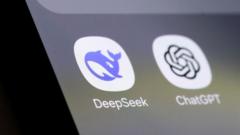
The recent rise of China's DeepSeek AI chatbot has sent shockwaves through the technology sector, undermining America's confidence in its leadership role in artificial intelligence (AI). Within a short span, DeepSeek became the most downloaded free application on Apple's US App Store and instigated a dramatic plunge in major tech stocks, specifically targeting AI firms.
This unexpected upheaval has its roots in DeepSeek's remarkably low development costs. While competitors like OpenAI have been burdened with substantial financial losses—over $5 billion last year—DeepSeek's developers assert they created their innovative AI model for approximately $5.6 million. This stark contrast raises critical questions about the sustainability of established AI giants, whose investments traditionally dwarf those of startups.For instance, Nvidia, a key player in the AI chip market, saw its stock tumble by 17%, equating to an unprecedented loss in market value close to $600 billion. Shifting sentiment within Silicon Valley reflects a mix of disbelief and introspection among investors and analysts. Veteran analyst Gene Munster articulated skepticism about DeepSeek's performance claims, speculating whether the company is financially sound or benefitting from undisclosed subsidies.The rise of DeepSeek is perceived by some as a significant assertiveness from China in the tech arena. After a recent press conference featuring AI leaders and former President Donald Trump, which heralded US AI ambitions, the emergence of a strong Chinese contender is seen as a critical juncture. Trump's remarks about DeepSeek resonated as a "wake-up call," prompting a reevaluation of America's technology assumptions and the financial models behind AI development.Amidst shifting market dynamics, the future of established semiconductor companies like Nvidia is uncertain. Analysts are left contemplating whether the AI industry truly needs as much capital and energy as previously thought. Though DeepSeek remains a complex new player, its disruptive potential could redefine the AI landscape, fueling an intensifying global competition that recalls the historical context of the Sputnik era, as venture capitalists reflect on the implications of this new chapter in technology.
