
In brief
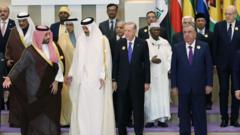
During a recent summit attended by key Muslim and Arab leaders, Saudi Crown Prince Mohammed bin Salman delivered a strong rebuke of Israeli military actions in Gaza, labeling them as "genocide." This outburst represents one of the most severe public condemnations from a Saudi official amid the ongoing conflict. In his address, the prince did not only focus on Gaza but also denounced Israeli assaults on Lebanon and issued a stark warning against any potential strikes on Iranian territory, reflecting a notable thaw in relations between Riyadh and Tehran.
At the summit, the collective sentiment among leaders echoed calls for an immediate withdrawal of Israeli forces from the West Bank and Gaza. Saudi Arabia's Foreign Minister, Prince Faisal bin Farhan Al-Saud, articulated the collective frustration over the international community's inability to halt the escalating violence, attributing the situation to Israel's actions, which he claimed have led to widespread starvation in Gaza.The current hostilities were ignited by an attack from Hamas on October 7, 2023, resulting in the deaths of approximately 1,200 individuals and numerous hostages taken by the militant group. In retaliation, Israel launched a comprehensive military campaign aimed at dismantling Hamas, with reports indicating that over 43,400 people have lost their lives in Gaza, primarily civilians, according to data from the Hamas-controlled health ministry.Echoing the prince's sentiments, summit attendees criticized Israel for what they characterized as ongoing assaults on UN personnel and facilities in Gaza. In recent developments, Israel's Knesset passed legislation targeting Unrwa, the UN agency for Palestinian refugees, effectively forbidding its operations in Israel and occupied East Jerusalem, a move that raised alarm in various nations, including the US and UK, over its potential ramifications on humanitarian aid.Amidst these discussions, attention turned to Donald Trump's potential return to the White House. Gulf leaders acknowledge his close ties with Israel yet hope to leverage his negotiating skills to help facilitate peace in the region. Notably, Trump's popularity in Saudi Arabia stands in contrast to President Joe Biden's less favorable perception. Trump's controversial decisions, such as recognizing Jerusalem as Israel’s capital and supporting the Abraham Accords, have left a mixed legacy in the Middle East.In light of the summit and its implications, a leading Saudi newspaper editorial celebrated Trump’s potential return as a hopeful sign for regional stability, reflecting both optimism and anxiety about the forthcoming political landscape.
