In brief
President Donald Trump said the United States could resume strikes on Iran "at some point," while Iranian Army spokesperson Mohammad Akraminia warned that any new round of hostilities would be larger and could last longer than previous ones. The comments came amid ongoing diplomatic tensions and renewed calls for negotiations between Washington and Tehran.
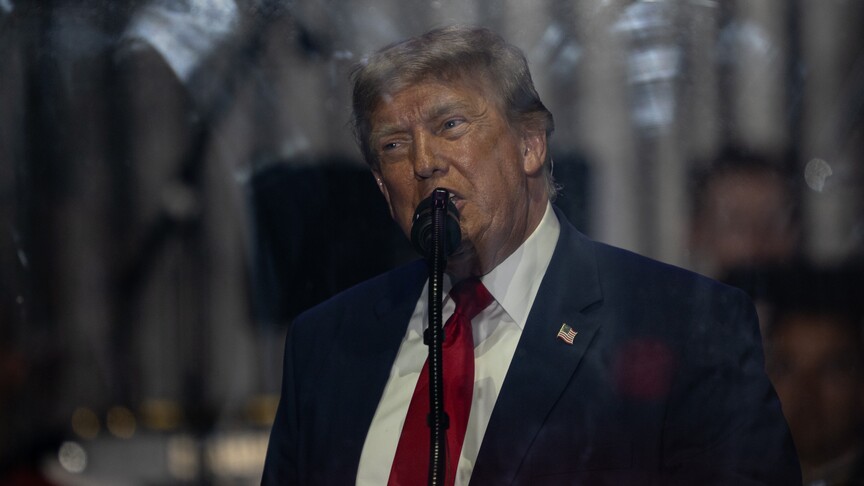
At a rally in Iowa on Saturday, White House President Donald Trump declared that the United States could resume strikes against Iran sometime in the future. Trump stated, “The only reason we are not finished with Iran is because I want to be nice. I want to try and save all those lives if I can. At some point, we’re going to have to give them the hammer.”
In a direct response, Mohammad Akraminia, a spokesperson for the Iranian Army, warned that any U.S. aggression would meet an “immediate, decisive response on a larger scale than before,” extending beyond West Asia. The Iranian official added, “U.S. facilities, equipment, personnel, and interests could be targeted wherever they are within reach,” and noted that a new conflict could last “considerably longer” than the previous one.
The remarks followed mixed signals from Washington. Earlier in the week, the U.S. Vice President had sent a letter to Tehran calling for the resumption of peace negotiations. Tehran described the letter as a “good sign,” while senior U.S. military officials reportedly briefed President Trump on possible options regarding Iran. Concurrently, the U.S. urged several Gulf countries to prepare for a brief but intense military campaign against Iran after the midterm elections.
During the same period, Israeli Prime Minister Benjamin Netanyahu reportedly urged Trump to strike Iran immediately after the U.S. midterm elections. Trump, however, said he preferred to let negotiations continue, a stance that had caused concern for Netanyahu. An Israeli source described the phone conversation as “tough,” while a U.S. official called it “direct.”
Additional context from 2014 shows a similar pattern of rhetoric. Trump had previously warned that the United States might take further action against Iran if a deal was not reached, while stating that he did not intend to launch strikes before the November 3 midterm elections. Those earlier statements referenced the possibility of striking Iran “at some point” but affirmed a preference for negotiations. In that era, Israeli and U.S. officials also discussed potential new, more damaging strikes after the elections, prompting concerns among Middle Eastern diplomats.
The current exchange underscores a dangerous escalation. Tehran has demanded that any threat from the “enemies,” regardless of its nature or scale, be met with an “immediate and effective” response without geographical limitations. The U.S., meanwhile, remains poised to resume military action if negotiations fail, while hesitating to take immediate steps following the midterm elections. The standoff amplifies the risk of a broader and longer conflict that could have widespread regional implications. Both sides have signaled readiness for escalation, but also a reluctance to engage in open warfare until the political climate shifts.
As the United Nations and various regional actors watch closely, the situation remains fluid. The Kremlin, European capitals, and Arab states are monitoring the developments, advising caution, and urging dialogue. The tension is high, and any misstep could quickly transform diplomatic friction into an open military engagement. The world waits to see whether Tehran’s warnings will compel the U.S. to reconsider its stance or whether Washington will proceed with a fresh wave of strikes.