
In brief
China's recent approval of the Yarlung Tsangpo dam construction aims to be the largest hydropower facility in the world, raising alarms over potential displacement of Tibetan communities and environmental degradation that could impact neighboring countries. The dam, situated on the Yarlung Tsangpo river, is expected to produce threefold more energy than currently existing projects, like the Three Gorges Dam. While the Chinese state depicts this initiative as ecologically safe and economically beneficial, human rights advocates and environmentalists question its implications.
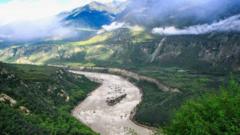
Concerns have been voiced over displaced local populations, especially given the historical context of repression in the region since China's 1950 annexation. Past developments have triggered protests, leading to violent crackdowns. Recent incidents included the arrest of protesters against another hydropower project that threatened community homes and cultural sites. Though Beijing promises relocation efforts and compensation, skepticism remains high regarding the true impact on local lives and fragile ecosystems.The Yarlung Tsangpo dam’s ambitious infrastructure plan involves diverting the river's flow, which many experts warn could grant China increased control over vital water resources, affecting downstream nations like India and Bangladesh. Already, there are discussions in India about countering the potential impacts through their hydropower initiatives. China maintains its right to harness these resources while acknowledging the importance of downstream consequences.Set against the backdrop of the world's deepest canyon, the dam construction poses formidable engineering hurdles, including concerns about geological stability in an earthquake-prone region. At a staggering projected cost of approximately $127 billion, the endeavor symbolizes China's mounting pursuit of renewable energy but also raises pressing questions about ecological safety and human rights safeguards in Tibetan regions.In navigating this bold project, the balance between energy needs, environmental stewardship, and community rights will be a critical and contentious path.
