In brief
A new poll shows significant public backing for extending the enhanced Affordable Care Act tax credits that are set to expire at the end of the year, risking higher health insurance costs for millions. This issue has become a contentious point in the ongoing government shutdown, with Democrats advocating for the credits while Republicans suggest delaying the decision until funding is restored. The urgency for extension is underscored by the fact that many Americans are unaware of the impending cost increases, with most expressing inability to afford the hikes in premiums if the credits are not renewed.
Most Americans Want Congress to Extend ACA Tax Credits
NEW YORK (AP) — A recent poll reveals that a vast majority of Americans are in favor of Congress extending the tax credits under the Affordable Care Act (ACA) that are poised to expire, which would significantly increase health insurance costs for millions. Conducted by the health care research nonprofit KFF, the survey suggests that this is a pressing concern as the expiration of these credits is set against the backdrop of an ongoing government shutdown.
The poll, running from September 23-29, shows that approximately 78% of Americans advocate for the continuation of these critical subsidies. Interestingly, this support transcends party lines, garnering majority backing from both Democrats and a significant proportion of Republicans, specifically 57% among those aligned with President Trump’s Make America Great Again movement.
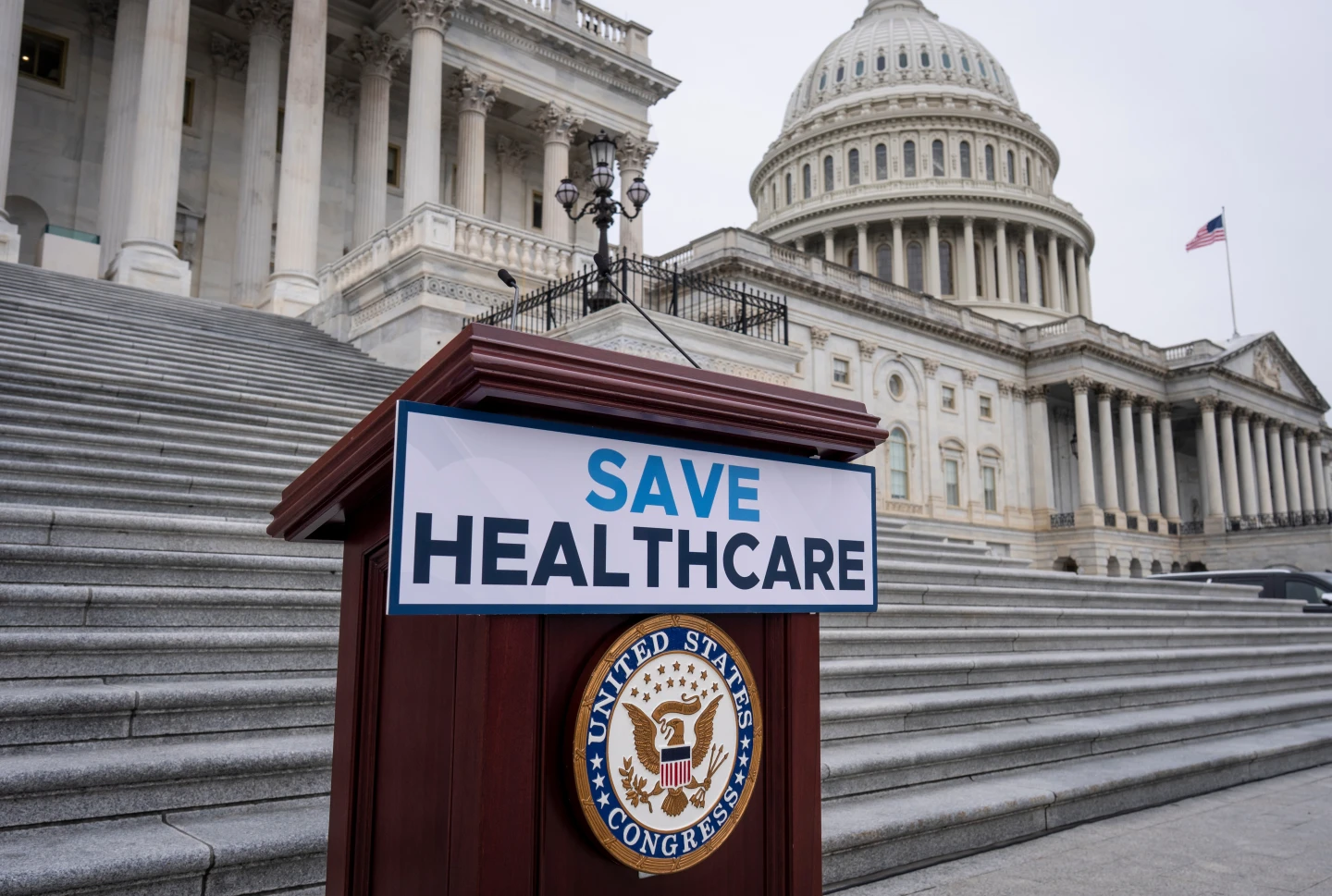
Republicans have expressed some willingness to negotiate the extension, but argue that such discussions should wait until government funding is reinstated through a stopgap measure, which they claim is noncontroversial. In contrast, Democrats are asserting that the decision on these tax credits should be a priority issue tied to the government’s financial reopening.
The enhanced subsidies, initially enacted in 2021 and renewed the following year, have made health coverage much more affordable for millions of Americans. If left unaddressed, premiums could rise drastically, with average ACA enrollees facing increases that could double their current costs. According to the KFF analysis, around 70% of those purchasing insurance through the marketplace indicated they could not absorb such an increase without serious financial repercussions. Furthermore, 40% expressed that they would likely forgo insurance altogether if premium costs soared to such a degree.
Despite the looming expiration of these credits, a significant number of Americans remain unaware of its implications. Approximately 60% of self-purchasing insurance holders reported having heard “a little” or “nothing” about the upcoming changes, leaving ample opportunity for public opinion to evolve as the political climate intensifies.
As the government shutdown continues into its third day with no resolution in sight, Democratic leaders such as Hakeem Jeffries have called out the Republicans for refusing to extend these essential tax credits, which they argue is unfairly impacting millions of Americans. Meanwhile, Republican leaders, including House Speaker Mike Johnson, blame Democrats for obstructing necessary funding and inflicting real pain on the American populace due to their refusal to approve Republican-led funding legislation.