
In brief
Angela Merkel, who led Germany for 16 years, speaks candidly about her tenure, suggesting her policies may have delayed conflict in Ukraine while sparking debate about her legacy.
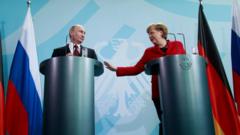
In a revealing interview with BBC’s Katya Adler, former Chancellor Angela Merkel stands firm on her decisions during her 16 years in office, particularly regarding her relations with Russia and Ukraine's NATO aspirations. Merkel stated that the gas agreements she brokered with Moscow were pivotal not only for supporting German industries but also for maintaining peace. She asserted that if Ukraine had joined NATO in 2008, the current war would have erupted sooner and potentially with worse consequences. While Merkel expresses confidence in her strategic choices, particularly her efforts to stymie a military conflict's onset, Ukrainian President Volodymyr Zelensky contends that her NATO policy fueled Russia's aggression instead. This increasingly contentious perspective underscores the ongoing debate surrounding Merkel's tenure, especially in light of the geopolitical landscape shifts following Russia's full-scale invasion of Ukraine, which occurred just months after Merkel left office.Merkel, now 70, also addressed heightened nuclear threats from Putin, emphasizing the importance of global collaboration to avert a nuclear crisis. Her remarks highlight a renewed urgency for diplomatic efforts, given the intertwined destinies of nuclear powers such as Russia and the U.S. amid escalating hostilities in Europe.Reflecting on her legacy, Merkel acknowledges criticism for her administration’s handling of immigration during the 2015 crisis, where over a million asylum seekers were welcomed to Germany. While she is aware of the subsequent rise of far-right parties, she remains steadfast, suggesting that addressing illegal migration and investing in African nations could deter future mass migrations. Merkel has faced scrutiny regarding Germany's economic reliance on Russian energy, following a strategy that prioritized national interests, which now appears contentious in the wake of recent sanctions against Russia.As Germany navigates the economic upheaval resulting from energy sanctions and a reshuffling of its foreign policy orientation, Merkel's insights into her previous governance decisions remain pertinent. As global leaders remain apprehensive about the geopolitical shifts with looming challenges from the likes of Donald Trump, Merkel does offer counsel on maintaining clarity in priorities.As Angela Merkel steps further away from the political spotlight, she notes a lack of desire to return, demonstrating her focus on the future amid a turbulent global terrain. For those interested, the full interview with Angela Merkel can be accessed on BBC iPlayer.
