
In brief
In a significant political development, Somaliland has dismissed an initiative from Somalia’s central government, which sought to transfer control of vital infrastructure in Berbera to the United States. This move comes amid ongoing regional tensions and Somaliland's quest for international recognition.
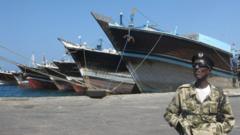
The self-declared Republic of Somaliland, which has functioned independently since 1991, has firmly rejected Somalia's offer to cede control of the strategic Berbera port and airbase to the United States. Located on the Gulf of Aden, Berbera is pivotal for international trade and military logistics, crucial in countering regional threats.Somalia's President Hassan Sheikh Mohamud recently sent a letter to US President Donald Trump detailing the proposal, which includes not just Berbera but additional military assets, purportedly aimed at enhancing US security operations in the region. Somaliland's Foreign Affairs Minister, Abdirahman Dahir Aden, criticized the offer as "desperate," asserting that these facilities are not within Mogadishu's authority to dispose of.Aden's comments reflect a broader sentiment among Somaliland’s leadership, which perceives an opening for potential international recognition. This follows signs of increasing diplomatic interest in the region that may favor Somaliland's ambitions for statehood. He stated on social media that the US recognizes whom to engage with regarding the Berbera port, hinting at the futility of the Somali government's maneuvers.Currently, the port's operations are managed by DP World, a UAE-based entity closely allied with the US, indicating the geopolitical importance of Berbera. The ongoing US support for Somalia in its fight against militant groups like al-Shabab underlines the complexities of the regional dynamics and the historical grievances rooted in the relationship between Mogadishu and Somaliland.Additionally, Somalia's bid to secure US military presence may be jeopardized by internal federal dynamics. Concerns have emerged regarding the approval from Puntland’s regional leadership, given the intricacies of Somalia's federal structure; any unilateral deal could further strain ties with Puntland.The letter emphasizes how controlling these strategic assets would help the US counter external influences, notably from competitors like China and Russia interested in the Horn of Africa. Meanwhile, the regional tensions remain, with incidents like last year's Turkish involvement to mediate disputes arising from agreements between Somaliland and Ethiopia to develop maritime facilities, underscoring ongoing frictions.Both the US and Somalia are navigating a complex geopolitical landscape, striving to manage the influence of militant factions and the contrasting interests of neighboring countries, while Somaliland continues to assert its claim to sovereignty and control over its territory.



