Alan Lafley, the former CEO of Procter & Gamble (P&G), suggests that leading a large company can be likened to managing a Premier League football team, where the results directly impact the tenure of the coach or manager. Recently, high-profile corporate shifts have showcased just how indispensable effective leadership is for the success of global giants such as Boeing, Nike, and Starbucks, all of which have revamped their executive roles.
Lafley, who presided over P&G during a transformative decade, emphasizes the weight of accountability that comes with these positions. He recalls that he stepped into leadership at P&G after his predecessor’s tenure ended in turmoil due to a failed restructuring effort. “There’s only one cat who’s on the hot seat,” he states, alluding to the solitary pressure of being the person ultimately responsible.
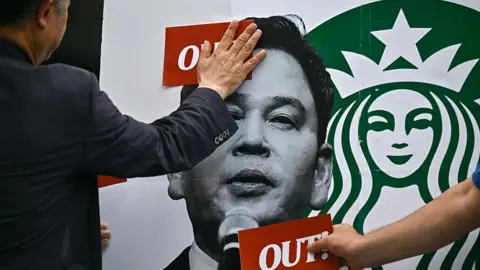
Starbucks' recent CEO transition, where Brian Niccol took over amid declining sales linked to a complex menu and Middle Eastern boycotts, reflects the immense challenges these leaders face. Niccol’s significant compensation package, including over $100 million and commuting privileges from California to Seattle, signifies the high expectations the board has for him to revitalize the brand. Investor confidence surged following the announcement, indicative of the direct influence a CEO can have on company stock performance.
CEO roles necessitate strategic vision and cultural guidance within a corporation. Marcia Kilgore, founder of prominent skincare and footwear brands, asserts that successful CEOs must organize and prioritize multifaceted tasks while harmonizing interdepartmental efforts to avoid inefficiencies. Lafley emphasizes that strong leaders enable their teams to flourish by fostering an environment of motivation and clear communication.
The notion of confidence is also pivotal. Executive coach Alisa Cohn stresses that a CEO needs not only self-assurance but also adaptability to effectively navigate challenges. This agility is crucial, especially in corporate regions marked by fluctuating market conditions.
Despite the overwhelming importance of a CEO, the disparity in compensation raises ethical concerns. The average S&P 500 CEO earned a staggering $16.3 million last year, compared to comparatively meager salaries for regular employees. Critics like Sarah Anderson from the Institute for Policy Studies argue that such wage gaps undermine organizational morale and societal equity.
Lafley concurs that the compensation structure is increasingly unsustainable and suggests a balance of modest base salaries with performance incentives to drive motivation. According to him, like a sports coach, a CEO must inspire and empower their teams to achieve collective goals in order to be successful. As they share the challenges and triumphs of leadership, modern CEOs are increasingly becoming the focal point for both praise and scrutiny—a trend that is likely to continue in the evolving business landscape.