In brief
Despite attempts to steer the dialogue away from incendiary topics, South African President Cyril Ramaphosa's meeting with President Trump highlighted the complexities of U.S.-South Africa relations amid allegations of misinformation concerning white genocide.
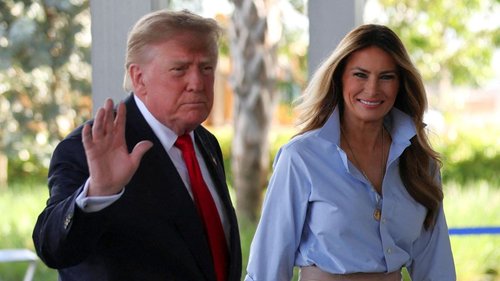
For South African President Cyril Ramaphosa, the Oval Office meeting with President Trump was intended as a diplomatic reset. Ramaphosa entered the discussion aiming for a light-hearted atmosphere, even getting Trump to chuckle over a golf-related joke, and expressing gratitude for U.S. assistance during the COVID-19 pandemic, particularly receiving respirators. In the lead-up to the meeting, it was emphasized that South Africa would avoid direct engagement on Trump's controversial claims of white genocide, perceived by many as unfounded. The focus was to be placed on exploring business opportunities, tariffs, and South Africa's wealth in mineral resources. However, the outcome was far from favorable. Ramaphosa emerged from the meeting with heightened uncertainty and no concrete agreements, while the character of the discussion became overshadowed by past allegations.The sidelining of the genocide discussion — connected to Trump's assertion that many white South Africans were recently labeled as refugees — failed to mitigate the tensions. Critics argue that the opportunity was missed for a constructive dialogue that could clarify misconceptions, leading to further economic challenges for South Africa, notably potentially significant tariffs and no promises of favorable trade agreements. Former U.S. Ambassador to South Africa, Patrick Gaspard, expressed concern stating that the lack of meaningful engagement could exacerbate the struggles of economically disadvantaged South Africans, particularly as the socio-economic divide continues to widen between racial groups in the country. With South Africa facing steep tariffs and ineffective negotiations, the ramifications of this diplomatic encounter could prove to be costly in the long run.