In brief
Pope Leo XIV's ascendance reflects a transformative moment in the Catholic Church, celebrating a pope with deep roots in Creole heritage, resonating especially with diverse congregations globally.
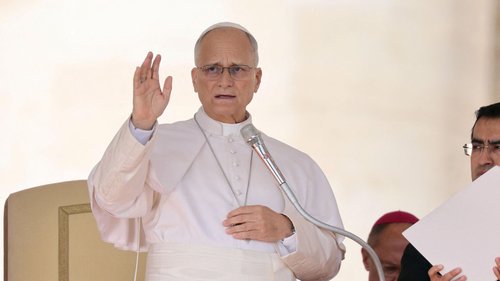
In a historic announcement, Pope Leo XIV made his first public appearance at St. Peter’s Basilica, a poignant moment reflecting not only a new chapter in the papacy but also the cultural diversity within the Church. Observers from various parts of the world, particularly from Africa and the Caribbean, expressed a collective sense of pride and connection to the new pontiff, whose lineage can reportedly be traced back to a vibrant community of Creole people from New Orleans.Father Lawrence Ndlovu, a priest from Johannesburg, noted the significance of Leo's diverse background, stating, “He’s not foreign to us. There is a part of him that is also us.” This sentiment echoes throughout communities of color who view Leo XIV’s ascent as a beacon of hope and representation within a historically homogeneous institution.The newly elected pope’s ancestry is under scrutiny, with records indicating his maternal grandfather’s origins potentially spanning from the Dominican Republic to Louisiana, infused with African, Caribbean, and European influences. The complexity of his family history is further explored by Edwin Espinal Hernández, a genealogist from the Dominican Republic, who relayed potential links to the vibrant culture of Port-au-Prince.With Pope Leo XIV at the helm, many anticipate a strengthened voice for marginalized communities and a renewed focus on inclusivity within the Catholic Church, challenging preconceived notions of papal identity. His heritage not only reflects a blend of cultures but holds the promise of championing the causes of those who have too often felt distant from the Church.