In brief
As South Korea's President Yoon Suk-yeol invoked martial law, citizens voiced their fears of repeating a turbulent history marked by dictatorships and oppression. While younger generations have never experienced martial law, they carry the weight of historical trauma, emphasizing the country's fragile grasp on democracy.
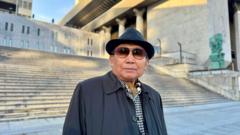
In a startling move, South Korean President Yoon Suk-yeol's declaration of martial law has sent shockwaves through a nation still haunted by its authoritarian past. This unprecedented action, occurring during democratic rule and after 45 years since the last implementation of martial law, has deeply affected South Korea’s collective consciousness. As the echoes of 1960s protests against dictatorship resound, citizens are reminded of the bloodshed that marred their history. Memories stirred for many, like 87-year-old Koh Jae-hak, who witnessed soldiers brutalizing protesters in 1960. He recalls the feeling of horror as troops opened fire on demonstrators advocating for political change. South Korea has faced martial law numerous times throughout its history, often justified by authoritarian leaders as necessary for maintaining stability against perceived threats. Such declarations have historically curbed freedoms and instigated violent crackdowns, most notably during the Gwangju uprising in 1980, now regarded as a massacre.The recent martial law declaration, aimed at quelling what Yoon termed "pro-North anti-state" elements, initially sparked confusion and skepticism among the populace. As many residents absorbed the televised announcement, doubts arose concerning the legitimacy of the proclaimed threats. Observers noted that the president's rhetoric seemed less about national security and more a tactic to undermine opposition.Activists and the general populace quickly mobilized to protest Yoon's declaration, signaling fear of a return to an era characterized by intense state control and repression. Many citizens, including environmental activist Kelly Kim, articulated the trauma associated with martial law and the dire consequences it has for civil liberties and societal freedoms.While there are still voices that regard previous martial law measures as a necessary evil for political stabilization, the majority seem to resonate with sentiments against any regression towards authoritarianism. The generational divide regarding these experiences is palpable, with younger citizens expressing disbelief, informed by the perennial memories detailed by their parents.Despite potential fears instigated by Yoon's actions, South Korea's vibrant democratic ethos has persisted, vibrant with cultural creativity and civic engagement. From TV dramas about historical uprisings to ongoing protests advocating for accountability, the country remains resilient against authoritarianism, highlighting a shared determination to protect its freedoms.Ultimately, Yoon's martial law declaration has proven to be a miscalculation, revealing the citizenry's firm stance against a return to the dark days of oppression. The narrative now centers on affirming democracy and the pursuit of social justice, as South Korea stands united in its refusal to relinquish the hard-earned rights that define its modern identity.