In brief
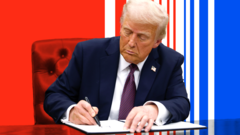
In his first month, Trump has tackled immigration, tariffs, and economic issues—but challenges remain.
During his latest term starting in January 2025, Donald Trump has aimed to fulfill a series of ambitious promises made during his campaign. He expressed intentions to cut taxes, decrease prices, curb undocumented immigration, bolster American industries with new tariffs, and seek an end to wars. Some of these commitments were elaborated in videos on his campaign website, while others emerged from Trump's spontaneous speeches. The central theme of his victory speech emphasized his dedication to "keeping promises," a mantra he has consistently conveyed since his inauguration.Among his key vows, Trump promised to address inflation immediately upon taking office, committing to strategies designed to lower prices. Despite his focused intent, inflation continues to pose a challenge, exacerbated by rising costs and economic variables that are difficult for the presidency to manage. Although he claimed external factors were responsible for recent price increases, economic experts suggest some of his proposed policies may worsen the situation.On immigration, Trump launched a comprehensive approach aimed at deporting undocumented immigrants, particularly those with criminal backgrounds. While public sentiment appears to support mass deportations, actual outcomes have yet to align with his lofty expectations. Deportation numbers, showing a decrease compared to prior years, indicate that immediate action in this area may face significant hurdles.Furthermore, Trump reiterated his promises regarding the January 6 insurrection, offering advice on expedited pardons for those involved. While he quickly enacted pardons for a large number of convicted individuals, some criticized these decisions as detrimental to justice. Trump also aimed to halt the ongoing conflict in Ukraine within a mere day of taking office through renewed diplomatic dialogues with Russia. However, Ukrainian leadership raised concerns about potential agreements lacking security guarantees and sidelining their interests. Another significant area of focus has been proposed changes to birthright citizenship, with Trump affirming plans to abolish such practices early in his presidency. This contentious move may face legal challenges, as opponents argue it disrupts constitutional rights established over a century ago.Finally, Trump announced sweeping tariffs on products from Canada and Mexico, linking this decision to the management of drug trafficking and border issues. Although the implementation of these tariffs faced initial delays due to negotiations, market reactions and expert warnings paint a complex picture of economic risk.As Trump forges ahead with these commitments, the ability to translate promises into effective policy remains a continual test of his leadership.