
In brief
As trade tensions escalate, Indian textile producers are feeling the pinch from an influx of inexpensive viscose yarn from China. With tariffs imposed by the US on Chinese goods, Chinese manufacturers are redirecting their surplus yarn to India, significantly impacting local businesses.
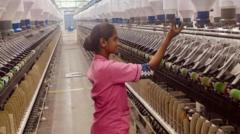
The production pace at Thirunavkarsu's spinning mill in Tamil Nadu has slowed markedly, with local demand for viscose yarn plummeting by nearly 40% as cheaper imports flood the market. The recent price drop of 15 rupees ($0.18) per kilo for Chinese yarn has rendered domestically produced yarn challenging to compete against, leaving many Indian mills struggling to sustain operations.Jagadesh Chandran of the South India Spinners Association disclosed that approximately 50 small textile mills are significantly reducing production in response to the inflow of low-priced Chinese goods. The competition raises fears that many mill owners, like Thirunavkarsu, may not survive without intervention, stating, "We can't match these rates."In an effort to protect local industries, India's government has initiated a committee aimed at monitoring the surge of cheap Chinese goods and has imposed a 12% safeguard duty on select steel imports to halt the influx. Despite these measures, experts note that India's reliance on Chinese raw materials remains high, particularly in sectors such as electronics, hindering the nation’s manufacturing ambitions.China’s Ambassador to India, Xu Feihong, insisted in a recent opinion piece that China will not engage in dumping and instead aims to increase imports of high-quality Indian products. However, concerns linger as industrial growth in India falters, accentuated by a record trade deficit with China that has escalated to $100 billion.Economists caution that the current trend of rising imports from China poses a serious risk to India's manufacturing sector. Ajay Srivastava of the Global Trade Research Initiative highlighted the structural issues of India's economy, pointing out that despite efforts to bolster local production through incentives, India continues to struggle with competitiveness in global markets.Analysts agree that India must seize the opportunity presented by ongoing US-China trade tensions to establish a stronger industrial base and engage in serious discussions concerning trade practices, including dumping issues. Failure to address these challenges could exacerbate the already precarious balance in India's trade dynamics and economic future. As the global economic landscape continues to change, India faces a pivotal moment in reassessing its reliance on Chinese imports and strengthening its industries for sustainable growth.
