
In brief
Following the tragic crash of Jeju Air, which resulted in 179 fatalities, the South Korean transport ministry reveals that the flight data recorders ceased operation four minutes before the incident, leaving vital details about the disaster unrecorded.
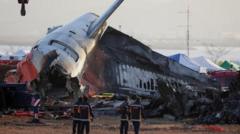
Flight data and cockpit voice recorders from Jeju Air's tragic crash last month have been confirmed to have stopped recording just four minutes prior to impact, according to South Korea's transport ministry. The disaster, which occurred at Muan International Airport, tragically claimed the lives of 179 individuals, marking it as the deadliest air accident in South Korean history, with only two cabin crew members surviving the ordeal. Investigators had anticipated that analyzing the data from the "black boxes" would shed light on the critical moments leading up to the crash. However, the ministry is now tasked with determining the cause of the recorders' malfunction. The recorders were initially inspected in South Korea, but when it was determined that vital data was missing, they were subsequently sent to the US for further analysis by American safety authorities. The aircraft was on a flight from Bangkok when it crash-landed approximately a third of the way down the runway, failing to deploy its landing gear and ultimately colliding with a wall, which led to it catching fire. Industry experts, such as former transport ministry accident investigator Sim Jai-dong, expressed shock over the data loss, indicating that it might imply a total power failure, affecting even the backup recording systems. As inquiries continue, investigators are exploring several possible factors contributing to the incident, including potential bird strikes or adverse weather conditions. Additionally, scrutiny is being directed toward the Boeing 737-800's landing gear, which was not lowered at the time of landing. Pre-flight assessments indicated no prior issues with the aircraft, leaving families and investigators alike with more questions than answers as they await clarity on the tragedy.
