In brief
In a recent interview, former President Donald Trump categorically denied any intentions to seek a third term in office, despite ongoing discussions about his future and promotional activities for "Trump 2028" merchandise.
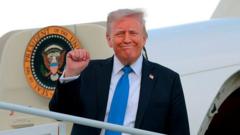
Former President Donald Trump addressed speculation regarding a potential third presidential term, stating emphatically that he has no plans to pursue such an option. In an interview aired on NBC's "Meet the Press," Trump clarified that he respects the limitations set by the US Constitution, emphasizing, "I'll be an eight-year president, I'll be a two-term president. I always thought that was very important."At 78 years old, Trump had previously made remarks that seemed to hint at a possible third term, claiming he was "not joking" about wanting to remain in power longer. However, he later clarified that those comments were meant to provoke the media, referring to them as "fake news." His business endeavors, including the sale of "Trump 2028" hats, have further ignited discussions about his political aspirations beyond his current term, which ends in January 2029.In the interview recorded at his Florida residence, Trump noted receiving numerous requests from supporters encouraging him to consider an extended presidency. He mentioned, "So many people want me to do it," yet remained firm in his belief that such a move is likely unconstitutional. The Constitution’s 22nd Amendment restricts presidents to two elected terms, a regulation that requires rigorous legislative processes to amend.Despite Trump's affirmations, some of his die-hard supporters argue that there may be legal loopholes surrounding his eligibility, although these theories remain largely untested in court. When pressed about these theories, Trump deflected and redirected focus toward other potential Republican candidates, including Vice President JD Vance and Secretary of State Marco Rubio, who could succeed him.In addition to addressing the term limits question, Trump tackled the issue of his economic policies, defending his management of the economy against criticism. He described the current economic climate as a "transition period" and expressed optimism that the nation would enter a prosperous phase soon, despite recent economic contractions.When questioned about ongoing concerns regarding his immigration policies and the enforcement of due process, Trump responded that his administration works closely with legal experts to align with the Supreme Court's guidance. He asserted that the border is currently secure, yet maintained that the emergency declaration he issued upon taking office remains necessary due to judicial challenges.The interview also briefly touched on international relations, where Trump alluded to potential military actions in connection with Greenland, while dismissing suggestions of aggression toward Canada amidst political shifts in Canadian leadership.Overall, Trump's interview encapsulates the complex interplay of speculation surrounding his political career, economic management, and ongoing challenges with immigration law.