In brief
As President Trump advocates for increased fossil fuel production in the U.S., countries like Indonesia and Argentina are contemplating similar actions, questioning the fairness of emissions expectations while top emitters continue to ramp up fossil extraction, creating a ripple effect that challenges international climate agreements.
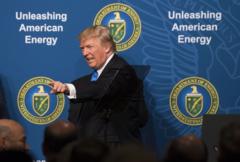
In the aftermath of the 2023 UN climate summit in the United Arab Emirates, which called for a significant "transition away from fossil fuels," emerging signs indicate a troubling potential regression in global commitment to climate action. President Donald Trump's recent declarations regarding a "national energy emergency," which champions fossil fuel expansion and sidelines clean energy initiatives, have raised concerns internationally as countries reconsider their compliance with climate agreements. Following Trump’s ambitious slogan "drill, baby, drill," many nations are starting to question their own energy policies. In Indonesia, climate envoy Hashim Djojohadikusumo echoed this sentiment, stating, “If the United States does not want to comply with the international agreement, why should a country like Indonesia comply with it?" This brings to light Indonesia's long-standing status among the top ten carbon-emitting nations, prompting worries about environmental fairness given the drastically different emissions per capita between the U.S. and Indonesia.As global fossil fuel production edges higher, countries like South Africa, grappling with a slow energy transition, face additional challenges. With initial efforts for a $8.5 billion coal-sector transition under significant strain, there’s now a real concern that commitments to renewable energy will be pushed further down the agenda.Argentina too is aligning itself with Trump’s stance, having withdrawn negotiators from the COP29 climate summit shortly after Trump's presidency took office. The country’s new leadership has signaled intentions to increase its own carbon footprint by escalating oil and gas production while dismissing the Paris Agreement as a form of "woke" environmentalism.In the corporate sector, energy giants are responding in kind. Equinor recently announced plans to cut investments in renewable ventures while focusing on ramping up oil and gas activities. Similarly, BP is expected to follow suit, illustrating a widespread shift in the perception of energy priorities in favor of fossil fuels, despite global clean energy investments exceeding $2 trillion for the first time. The ripple effects of Trump's policy on the global stage extend into energy agreements, as seen in recent U.S. deals with India and Japan to expand oil and gas exports, stirring a potential global energy market pivot away from sustainability efforts. Experts express concern that this could stymie the cleaner energy transition, particularly if the U.S. pushes its fossil fuel interests on global markets.Scientists warn that avoiding new fossil fuel excavations is critical to limiting global warming to within 1.5 degrees Celsius, emphasizing the urgent need for around a 45% reduction in carbon emissions by 2030 compared to 2019 levels. The ongoing energy supply crises, volatile market dynamics, and the persisting allure of fossil fuel financial returns pose serious challenges for countries aiming for a greener tomorrow.