
In brief
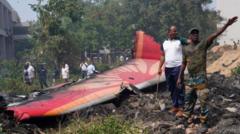
Authorities are meticulously analyzing the wreckage and data recorders from the Air India Boeing 787, searching for crucial indicators of the cause behind the tragic incident that took place last week in Ahmedabad.
The recent Air India Flight 171 disaster has left investigators grappling with how a Boeing 787 Dreamliner could crash just 40 seconds after taking off from Ahmedabad. With 242 passengers and significant fuel on board, the flight's distress call was its final moment before plunging into a crowded area. In accordance with UN aviation guidelines, a preliminary report is expected within 30 days, while a comprehensive analysis may take up to a year.Among the potential causes being examined are dual engine failure, flaps being improperly set, or possible human error leading to fuel cut-off. Investigators are closely inspecting both flight data and cockpit voice recorders to unearth vital data, including engine performance and pilot communications.Key clues could come from the engines' condition upon impact, as the nature of their damage will determine whether they were operational. Aims are high to understand if systematic issues with Boeing 787s exist, which could affect aircraft safety on a global scale. Currently, there's no indication of negligence as recent inspections revealed compliance with safety standards across Air India’s fleet.The investigation involves a collaborative effort from India's Aircraft Accident Investigation Bureau, as well as assistance from Boeing and various regulators. A thorough analysis of the wreckage, focusing heavily on minute details, is underway, shedding light on what could have led to this unprecedented aviation calamity.As technology advances, investigators benefit from enhanced recording capabilities, allowing for a more in-depth examination of the factors contributing to the crash. Preliminary findings could emerge soon, although understanding the overall context of the tragedy may take much longer.
