In brief
In a move prompted by public safety concerns following a fatal bear attack, Slovakia's government has authorized the culling of 350 brown bears. This decision has sparked controversy, with conservationists arguing it violates international regulations.
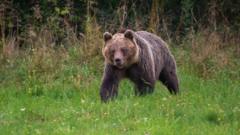
The Slovak cabinet has officially sanctioned the culling of approximately 350 brown bears, which represents nearly a quarter of the nation's bear population, following the tragic death of a man in a bear attack in Central Slovakia. Prime Minister Robert Fico's administration conveyed its distress over increasing bear-human interactions, underscoring the need for public safety as its primary motive."This is no longer sustainable; we cannot have a scenario where citizens fear entering the forest," the Prime Minister stated, emphasizing the seriousness of the situation. As a result, the special state of emergency that permits bear shooting is now extended to 55 out of 79 districts, encompassing significant portions of Slovakia.Previously, the government had eased regulations regarding bear protection, leading to a reported 93 bears being killed as authorities took steps to deal with the perceived threat. The decision to increase the cull met with strong opposition from conservationists, who argue that such actions breach international commitments and may infringe legal protections for the species. Ecologist Michal Wiezek, also a member of the European Parliament from the opposition party Progressive Slovakia, labeled the government’s response as "absurd," claiming that the Environment Ministry's failure to implement effective measures against bear attacks is being masked by the decision to cull even more bears. Wiezek called for intervention from the European Commission, noting that most bear encounters do not result in violence.The tragic incident involving the 59-year-old victim, found in the woods near Detva with severe injuries consistent with a bear attack, underscored the growing tensions around bear interactions in Slovakia. Evidence of a nearby bear den only fueled further investigations into the incident, which has reignited discussions about the safety measures for both humans and wildlife.Bears have increasingly become a political issue as recent events have highlighted the complexities of wildlife management amid rising bear populations—the Environment Minister indicated that while estimates suggest 1,300 bears currently inhabit Slovakia, a stable population of around 800 could be ideal. As the debate continues, it remains uncertain if the government's measures will effectively address safety concerns or merely provoke further ecological dilemmas in the region, with significant community and international attention on the management of Slovakia's bear population.