In brief
As modern American life increasingly alienates young men, many are finding solace and community in Russian Orthodox churches, which advocate a form of traditional masculinity. This article explores the motivations behind this trend and its implications for contemporary society.
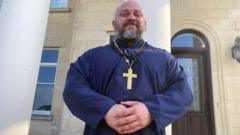
Young American men are gravitating towards Russian Orthodox churches, searching for a form of masculine identity that seems lacking in modern society. One of the most notable figures in this movement is Father Moses McPherson, whose congregation has seen a remarkable tripling in size within a year and a half in Georgetown, Texas. His messages resonate with many disillusioned men who seek to elevate their "manliness to absurd levels," as highlighted in his viral YouTube videos where he derides softer, more modern masculine behaviors.Father Moses, a physically imposing figure and father of five, has transitioned from a Protestant roofer to a charismatic leader within the Russian Orthodox Church Outside Russia (ROCOR). This denomination is expanding in the U.S. largely due to individuals converting from various faiths. According to him, Orthodoxy was once a "best-kept secret," but its tenets are now attracting a rising number of followers. In the past six months alone, he has baptized 75 newcomers, many of whom are young men in their twenties and thirties who find modern American life unfulfilling.The congregation attracts men like Theodore, a software engineer who felt emptiness despite having what society deems a perfect life. Many converts express a shared belief that contemporary society exerts harsh judgment on masculinity, with younger generations pushed to shun traditional roles. Conversations at the church reveal a strong leaning toward home-schooling children, a choice rooted in the desire to prioritize family over individual careers for women.The conservative voice of ROCOR stands out in America’s diverse religious landscape, where Eastern Orthodox Christians represent only about one percent of the population. Yet, under political shifts and a more pronounced conservative movement, the church is increasingly gaining visibility. The correlation between high male conversion rates and the rise of anti-modern sentiments during the pandemic is noteworthy, as many seek a faith that echoes their dissatisfaction with liberal attitudes toward gender and family structures.The online space has played a significant role in this movement, with Father Moses and other clergy garnering significant followings. His staunch beliefs advocate for large families and traditional roles, dismissing modern ideals such as contraception and suggesting that masculine traits are fading in mainstream Protestant circles. For example, he prefers services that resonate more with traditional worship than contemporary emotional "worship music."While the church's conservative values resonate with many, some former members have mixed feelings. Elissa Bjeletich Davis describes a potential disconnect between certain converts' interpretations of the faith and its core teachings. Meanwhile, Father Moses's charismatic presence has led some men to rethink their perceptions of masculinity and identity within a community that embraces traditional values.This movement even reaches into the political realm, as some converts express admiration for Russian leadership under President Putin, particularly disillusionment with the mainstream media’s portrayals of Russia. As a counter-narrative, figures like Buck Johnson emphasize long-term goals of community and family unity, steering away from consumerism hype.With ongoing interest in Russian immigration policies attracting those from liberal Western perspectives, particularly those disenchanted with prevailing views on gender and family, the trend marks a return to conservative values amidst a rapidly evolving society.