In brief
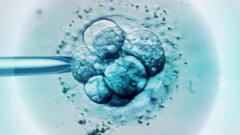
In a shocking development, a woman in Brisbane, Australia, became the unwitting mother of a baby that was not biologically hers following a mix-up at the Monash IVF clinic. The incident, attributed to human error, has left the clinic's management expressing profound regret. CEO Michael Knaap offered heartfelt apologies, stating: "On behalf of Monash IVF, I want to say how truly sorry I am for what has happened," emphasizing the devastation felt by the clinic's staff.
This incident comes on the heels of a significant settlement last year, where Monash IVF paid A$56 million (£26.8 million) to hundreds of patients affected by the destruction of viable embryos due to inaccurate genetic testing. In this latest case, the clinic became aware of the embryo mix-up when the biological parents requested to transfer their remaining frozen embryos. Monash IVF confirmed that an embryo from another patient had been incorrectly thawed and implanted into the woman, leading to the birth of the child.Following the discovery of the mistake, the clinic activated its crisis management team and promptly began reaching out to affected patients to provide support and guidance. Furthermore, the clinic reported the matter to the Reproductive Technology Accreditation Committee and the newly established Queensland regulator overseeing assisted reproductive technologies. Monash IVF assures that it believes this incident to be isolated, and investigations are currently underway.This alarming mix-up puts a spotlight on the complex and often emotional process of IVF—a procedure that led to 20,690 babies being born in Australia and New Zealand in 2021, according to University of New South Wales data, highlighting both the benefits and the potential pitfalls of assisted reproductive technology.