In brief
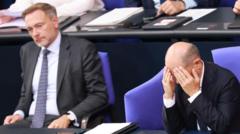
The German government finds itself in turmoil as Chancellor Olaf Scholz has taken the unprecedented step of firing Finance Minister Christian Lindner, indicating a profound loss of trust between coalition partners. This move has jeopardized the stability of the so-called "traffic light" coalition, comprised of the Socialist Democrats (SPD), the Greens, and Lindner's Free Democrats (FDP), which has held power since 2021.
Scholz has signaled that a confidence vote will be held in the Bundestag on January 15, a decision that could trigger early elections in March if the government is rejected by Parliament. During recent months, tensions have escalated as Lindner pushed for tax cuts and less stringent climate regulations, which sparked dissent among coalition allies. Scholz accused Lindner of prioritizing party politics over the national interest, particularly in light of shifting political dynamics both in Germany and abroad following Donald Trump's election.While the Greens have reaffirmed their commitment to the coalition and pledged to continue in government, the looming confidence vote hangs over the future of German politics. With the Christian Democratic Union (CDU) leading in polls, Scholz's administration is under significant pressure as it seeks to navigate this crisis and maintain governance amidst growing uncertainty.