In brief
A significant legal battle looms as the UK imposes a ban on sandeel fishing, sparking an EU challenge that could reshape post-Brexit trade relations.
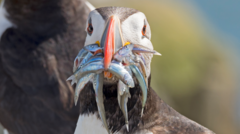
The sandeel is emerging as a pivotal element in a legal confrontation between the UK and the EU, marking the first trade court case following Brexit. The UK’s recent prohibition on sandeel fishing by European vessels in its North Sea waters, aimed at safeguarding marine biodiversity, has prompted the EU to contest this action. They claim the ban unlawfully discriminates against Danish fishermen who rely on sandeel for commercial purposes, violating the trade agreement established after Brexit.Without reaching an agreement through negotiations, the dispute is set to escalate into a three-day hearing at the Permanent Court of Arbitration in the Hague, starting next Tuesday. This arbitration marks a significant moment under the 2021 trade deal brokered by former Prime Minister Boris Johnson. The outcome could either validate the UK’s conservation approach or force it to amend its restrictions, with potential retaliatory tariffs on British goods from Brussels looming if the UK does not comply.As the hearing approaches, the trade tribunal, composed of an impartial panel of judges, will evaluate whether the UK’s prohibition represents a justified environmental measure or an unnecessary infringement on pre-existing EU fishing rights. Any ruling is expected by the end of April, with no opportunity for appeal, adding urgency to the proceedings.The UK has already faced challenges in managing its fishing resources, particularly with new negotiations due in June regarding catch limits. Amid this backdrop, Sir Keir Starmer of the Labour Party is advocating for renewed pacts with the EU, not only concerning fisheries but also focusing on broader trade and security agreements.Sandeel, primarily a food source for other marine species, holds a crucial ecological role, particularly for seabirds such as puffins and kittiwakes. After halting domestic fishing activities since 2021 to prevent overfishing, the UK government extended this ban last year to all vessels in its waters. This initiative has been met with acclaim from environmental organizations, though it has incited fury among Danish fishermen who depend on sandeel trade.The central argument revolves around whether the UK’s conservation rationale effectively justifies the broad restrictions imposed on EU fishing rights. The EU contends that the ban's geographical scope lacks scientific backing concerning fish stock levels and its economic repercussions on Danish fishing communities. The UK government is yet to disclose its detailed rebuttal but maintains its stance on prioritizing environmental responsibilities alongside trade commitments. The coalition supporting the ban spans political factions, conservationists, and members of the renewable energy sector, all recognizing the need for a balanced approach to sustainability and economic viability.While the sandeel trade generates an estimated value of £45 million annually in UK waters, it remains a relatively minor aspect of the broader trade dynamics. However, this case will be closely monitored for its implications regarding the balance between environmental conservation efforts and economic rights in post-Brexit Britain.