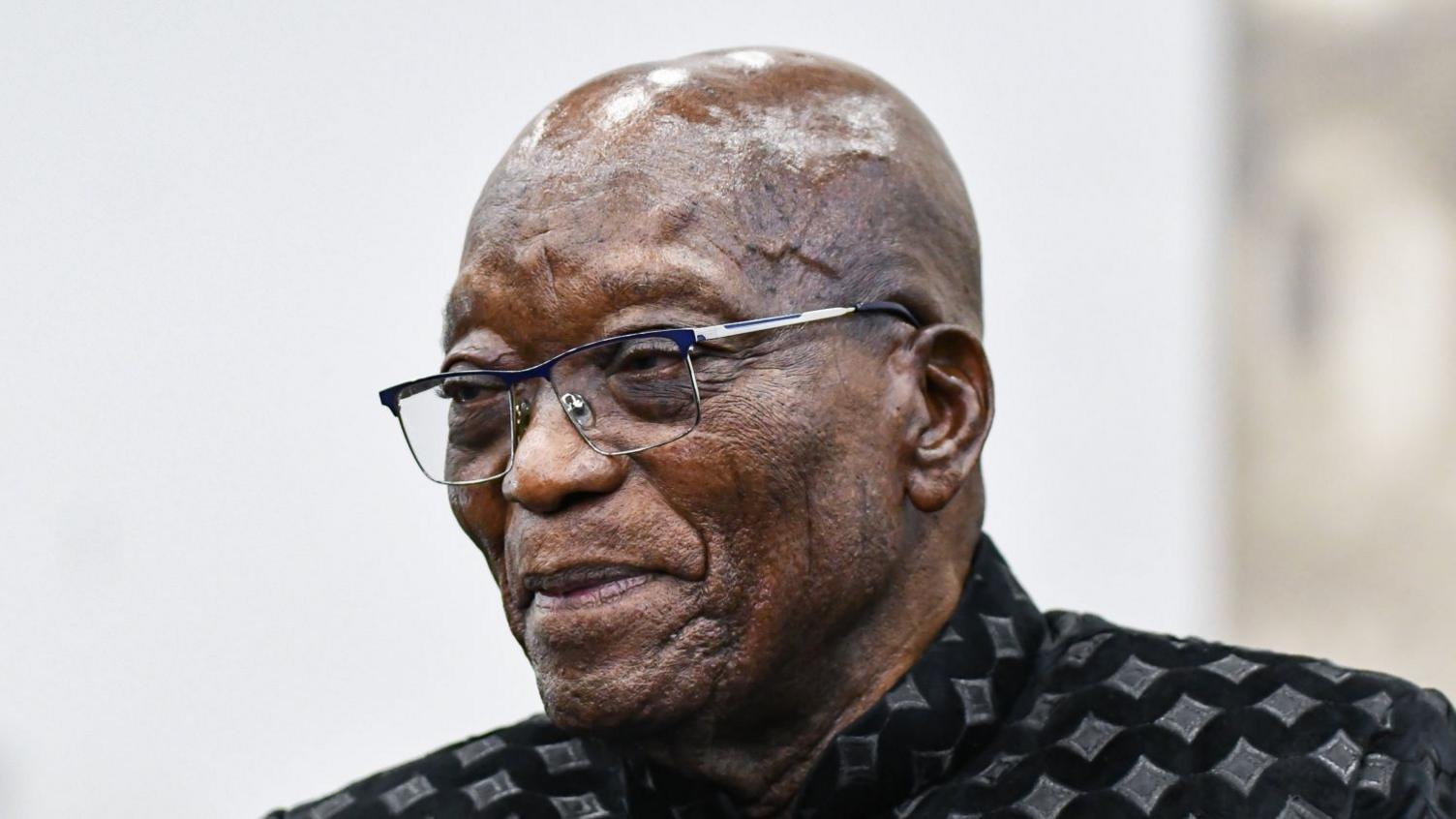
On Friday, cabinet minister Khumbudzo Ntshavheni slammed former President Jacob Zuma for traveling to India to meet the Gupta family, describing the act as a “middle finger” to South Africans who have suffered under the scandals that brought Zuma to the head of state in 2009.
A photo taken in an Indian temple shows Zuma standing beside Ajay Gupta – the elder brother of the infamous Guptas, whose billion‑dollar corruption network is said to have shaped South African politics for a decade. The meeting has reignited doubts that Zuma still wields informal influence over the country.
Around ten years ago, the Gupta brothers were accused of using their close ties with Zuma to funnel public funds to private projects. Critics claim that they controlled key government ministries and the state electricity utility, Eskom – allegations confirmed in the 2022 State‑Capture Commission report, which described how Zuma replaced ministers at the behest of the family.
In the current session, Ntshavheni said it was “very disturbing” that Zuma invited Guptas’ “sitting down” at a place of worship meant for both faith and politics. She called the move an insult to the public, urging an investigation by the Department of Justice and Constitutional Development.
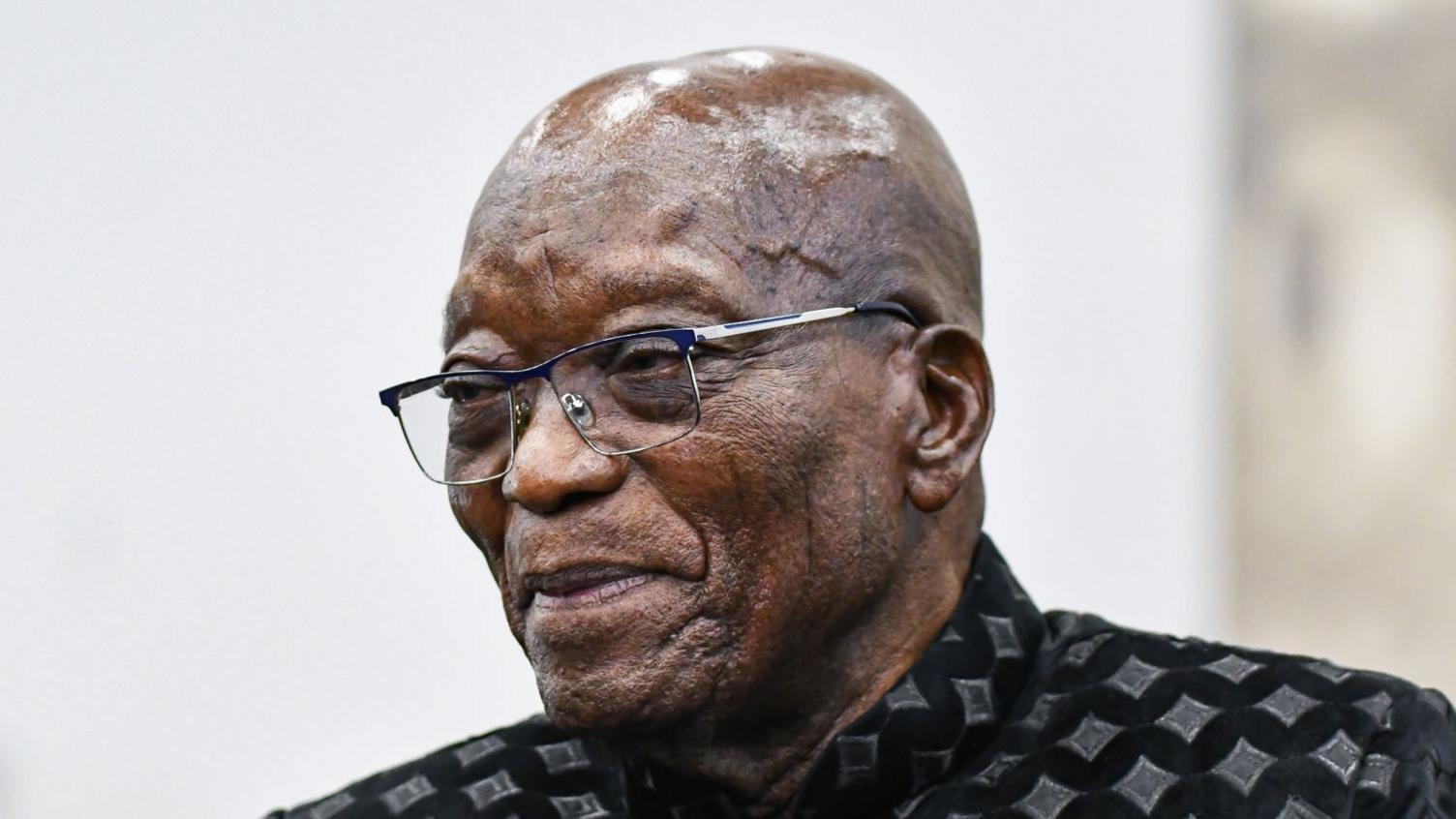
Zuma, 84, has long denied any wrongdoing and has recently hinted he may stand again for a mandate. He has since joined the uMkhonto weSizwe (MK) party, which captured about 15% of the vote in next year’s elections – the first time the ANC lost its majority since democracy began in 1994.
International Minister Ronald Lamola said that the meeting could amount to a “parallel foreign policy” under Zuma’s guidance. He called for a thorough probe into the activities that led to the alleged state capture, emphasising that South Africa’s governance must no longer tolerate any unofficial influence from powerful business families.
The incident has been flagged by local and international media alike, raising questions about the integrity of the country’s political system and the future of the ANC’s dominance. In an era where corruption scandals can now be politically weaponised, the next steps by South Africa’s government will be vital to protect the nation’s democratic foundations.