In brief
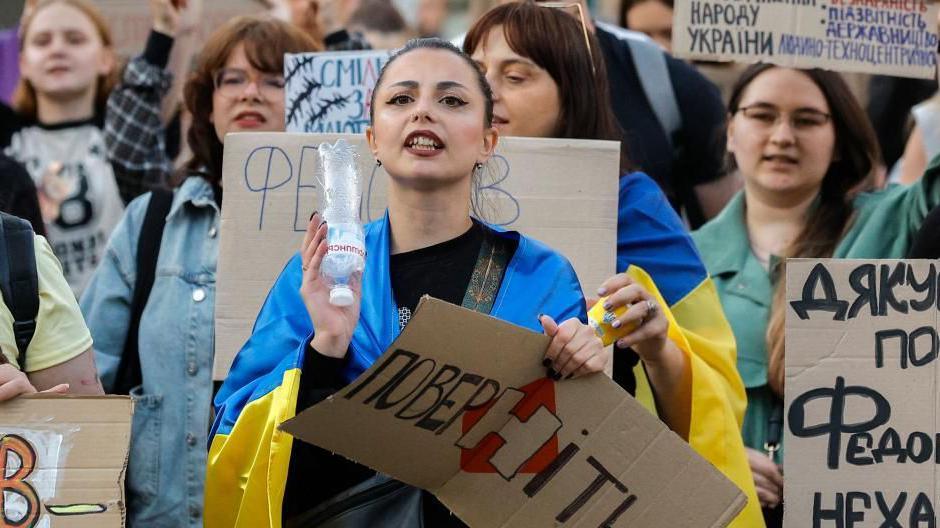
The dismissal of Defence Minister Mykhailo Fedorov on 15 July sparked widespread street protests across Ukraine, igniting debates over leadership and patriotism. President Volodymyr Zelensky replaced him with General Mykhailo Drapatyi, yet Fedorov’s refusal to accept other posts and growing public support highlight deep political rifts. Analysts argue the reshuffle hurts Zelensky’s authority, while some view the new commander as a modern, battle‑proven asset. Amid ongoing Russian offensives, Ukrainian leaders must address both battlefield strategy and internal unity.
Zelensky’s decision to remove Defence Minister Mykhailo Fedorov on 15 July has reignited a political crisis that is echoing across Ukrainian cities. The move came amid continuous air‑raid sirens and high‑altitude missile interceptions, yet the country’s leaders and the public remain divided.
Fedorov, a young and charismatic figure who many credit for modernising Ukraine’s military procurement, declined alternative government posts. He argued that only a defence minister, a commander‑in‑chief or the presidency could give him the authority and budget to influence the war’s outcome. Deputy Defence Minister Alina Frolova echoed that sentiment, saying, "If you don’t have a ministry under you, you don’t have a budget, and you don’t actually have the authority to do something."
In response, President Zelensky appointed Major General Mykhailo Drapatyi as the new commander‑in‑chief of the Armed Forces. Drapatyi, a respected former commander of the land forces, has been praised by advisers for his modern approach. However, analysts say this appointment is only a partial fix, as it does not fully address the public’s anger and the wider political fallout sparked by Fedorov’s dismissal.
Public opinion remains split. Protesters in Kyiv and other cities display placards seeking Fedorov’s return, while mayoral bodies and ancient military officials argue that the new commander brings a needed update in tactics. One opposition MP, who asked not to be named, remarked, "Ninety‑nine per cent of these young people on the street have no clue how the ministry of defence is operating. They think Fedorov is good because he wants to fight with drones; Syrskyi was bad because he was looking for people to fight. "
While the armed forces maintain a static front line, the political tug‑of‑war continues to strain Ukrainian democracy. Many experts point to the need for a united front and a clear vision to navigate the “kill zone” created by drones and precision strikes. The tension between youthful activism and seasoned military strategy underscores how Ukraine’s leadership must balance rapid change with stability as it braces for an uncertain winter.