In brief
As tariffs on imports from key production countries loom, Nike faces challenging decisions regarding the pricing of its famous trainers.
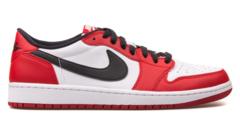
The Nike Air Jordan 1, a product closely tied to American culture, faces potential price adjustments due to recently imposed tariffs. Despite a strong sales presence within the United States, most Nike shoes are produced in Asia, particularly in countries like Vietnam, Indonesia, and China, which are now subject to steep tariffs. These tariffs range from 32% to 54%, with financial analysts predicting that consumers might see price increases of 10% to 12% on Nike products sourced from Vietnam alone—home to half of Nike's production.The uncertainty of the tariff situation has previously led to significant fluctuations in Nike's stock prices, reflecting investor apprehension about the future of the company’s supply chain. Analysts from UBS indicate that the competitive nature of the sneaker market could limit how much Nike raises its prices, potentially capping increases at around 10-15%. David Swartz from Morningstar notes that any significant price spike could deter consumers, especially in a market flooded with alternatives from brands like Adidas and H&M.Nike has previously reported substantial growth, with about $51 billion in sales in its last fiscal year. However, rising costs associated with production and tariffs threaten to squeeze profit margins, which currently stand at roughly 11% once all operating expenses are factored in. Some suggest that Nike could opt for less expensive materials or extend the design refresh cycle in an attempt to keep prices stable.Market sentiment in the US, where Nike significantly depends on consumer spending, also plays a crucial role in determining how these tariffs will affect pricing strategies at the retail level. If tariffs persist, university professor Sheng Lu highlights that brands may have no option but to pass the costs down to consumers, leading to price increases on popular trainer models. The ongoing trade tensions between the US and China further complicate the situation, with neither side appearing poised to yield.The complexities of manufacturing and sourcing logistics mean that a complete shift of production back to the US is unlikely in the near future, raising further concerns for brands reliant on Asian manufacturing. Adapting to these tariff implications will undoubtedly require strategic decisions from Nike and other brands across the footwear industry.