In brief
In a critical showdown between the Georgian populace and its ruling government, nightly protests are fueling demands for a clear commitment to Western integration rather than a regression toward Russian influence.
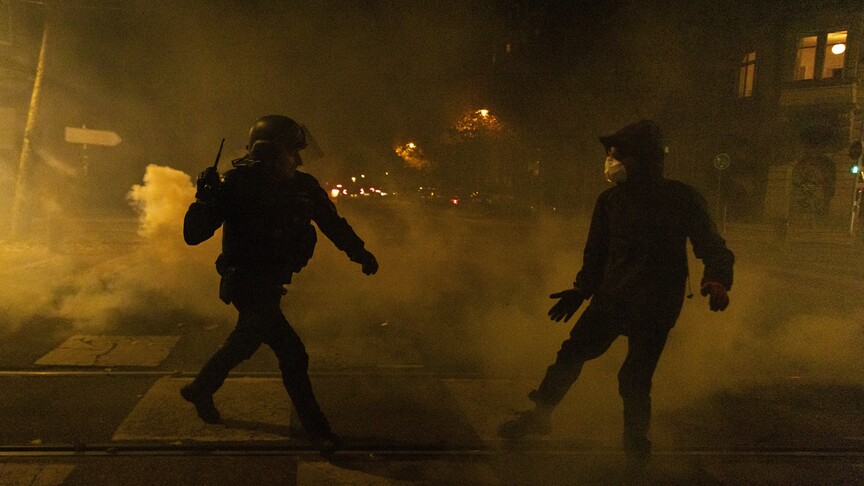
The streets of Tbilisi have become a battleground where demonstrators fiercely express their discontent against the government led by the Georgian Dream party. The parties clashing in Rustaveli Avenue are vying for the country’s future amid growing concerns about authoritarianism and waning ties with Europe. Spirited crowds, brandishing EU and Georgian flags, accuse the administration of betraying their European ambitions in favor of re-engaging with Russia. The recent government actions have escalated tensions, resulting in police confrontations with injuries reported on both sides. The public defender and lawyers have decried the "brutality" exhibited by the police during these disturbances, highlighting an unprecedented level of violence against demonstrators. "We're witnessing an overpowering crackdown,” remarked a political analyst, pointing to an alarming trend of excessive force used against individuals, including journalists, during the protests. Both sides are locked in a power struggle, with Prime Minister Irakli Kobakhidze asserting that protests are funded by foreign interests, while opposition leaders vehemently dispute the legitimacy of the ruling party’s recent electoral victory, which they claim was marred by fraud and manipulation. The pro-Western president's calls for renewed elections intensify the standoff, emphasizing the deepening political crisis facing the nation.A pivotal moment occurred last week when the Prime Minister declared a four-year hiatus on EU negotiations, drawing immediate criticism and concern from citizens who fear a return to Russian dominance. Amidst this chaos, the shadow of Russia looms heavily, with many citizens recalling historical conflicts that marred their relationship with their neighbor. Protesters, undeterred by freezing temperatures, continue to gather nightly, signaling resilience in their stance for freedom and democracy. As the conflict unfolds on Rustaveli Avenue and resonates throughout various cities, many citizens are left pondering the future direction of their country. The opposition insists that free elections are the vehicle for true representation, whereas government supporters remain hopeful for improved prospects under a U.S. administration that may alter the current trajectory.Thus, Georgia stands on a precipice, at the crossroads of choosing a future defined by European ideals or one draped under the shadow of Russian influence. With significant stakes at play, the coming weeks may determine not only the fate of Georgian governance but also its international affiliations.