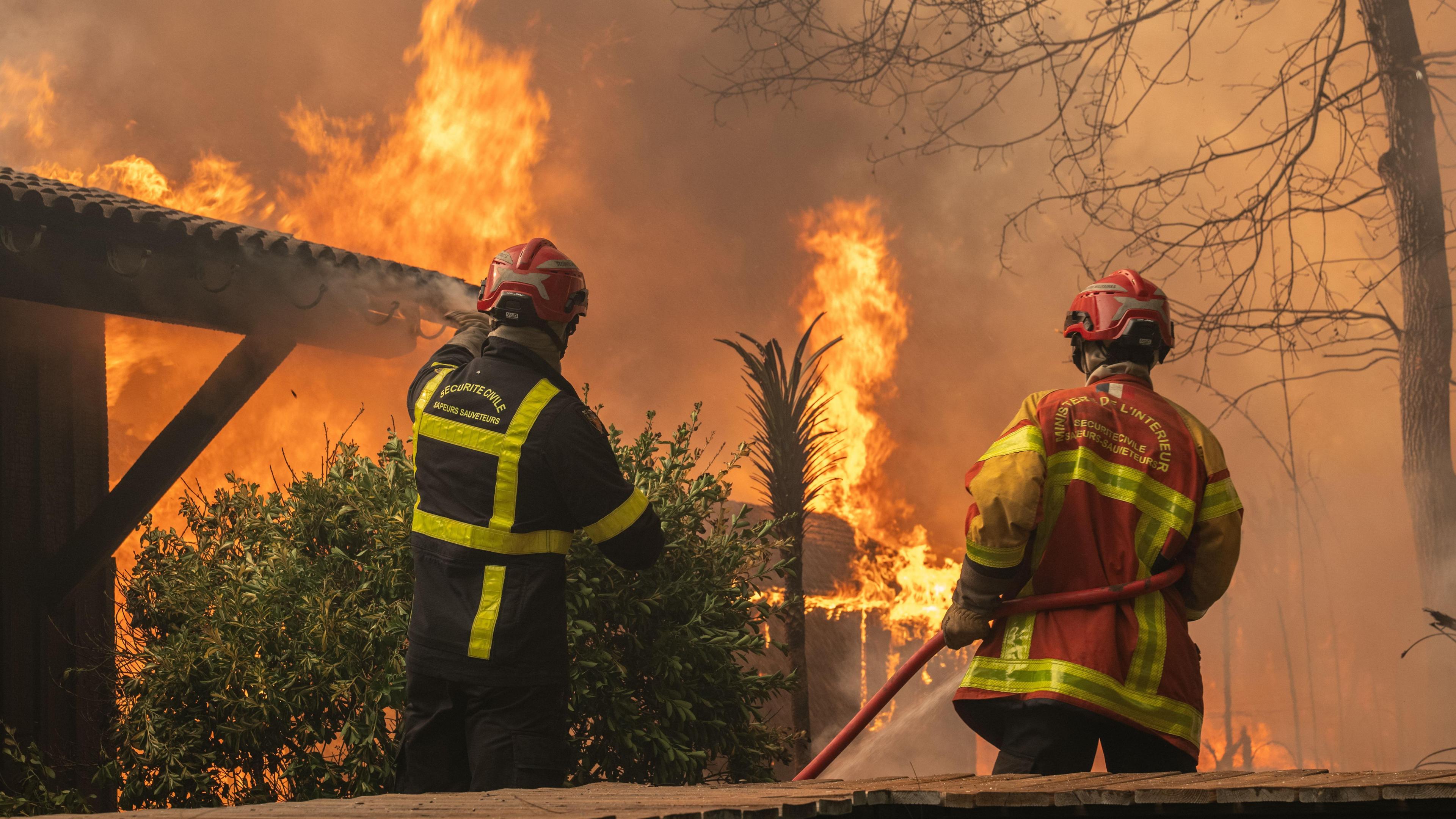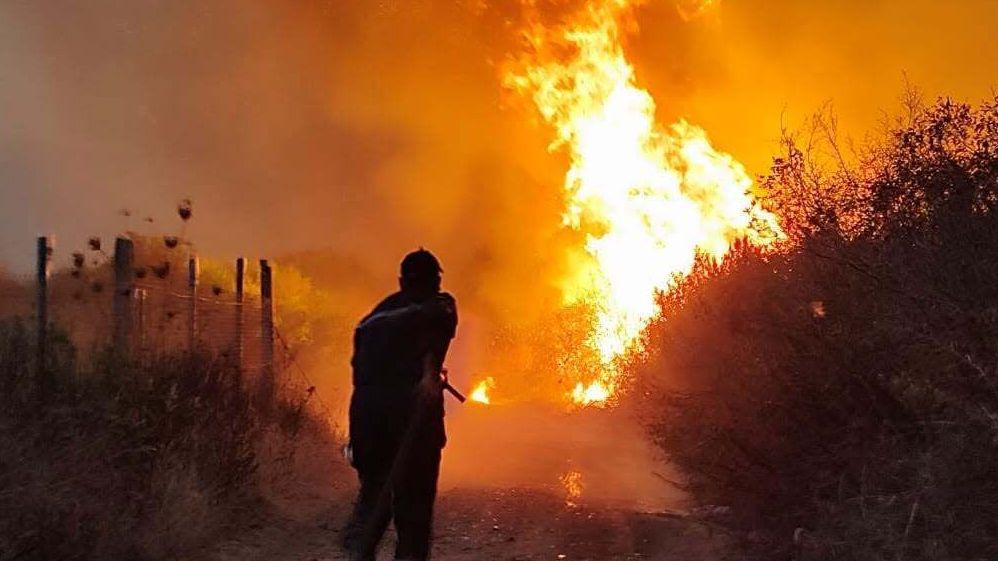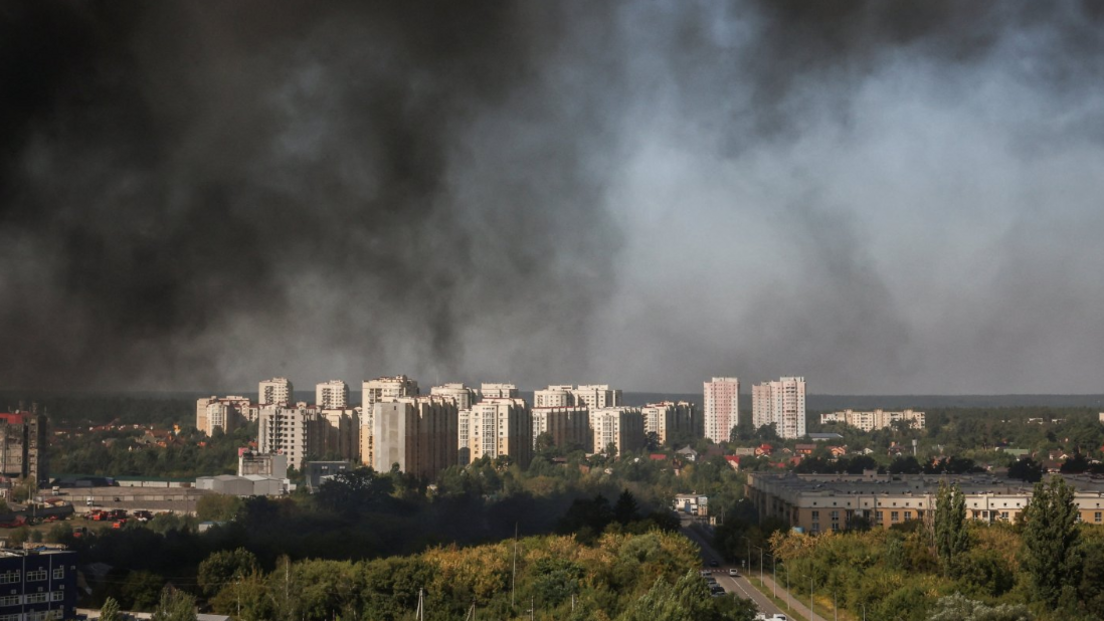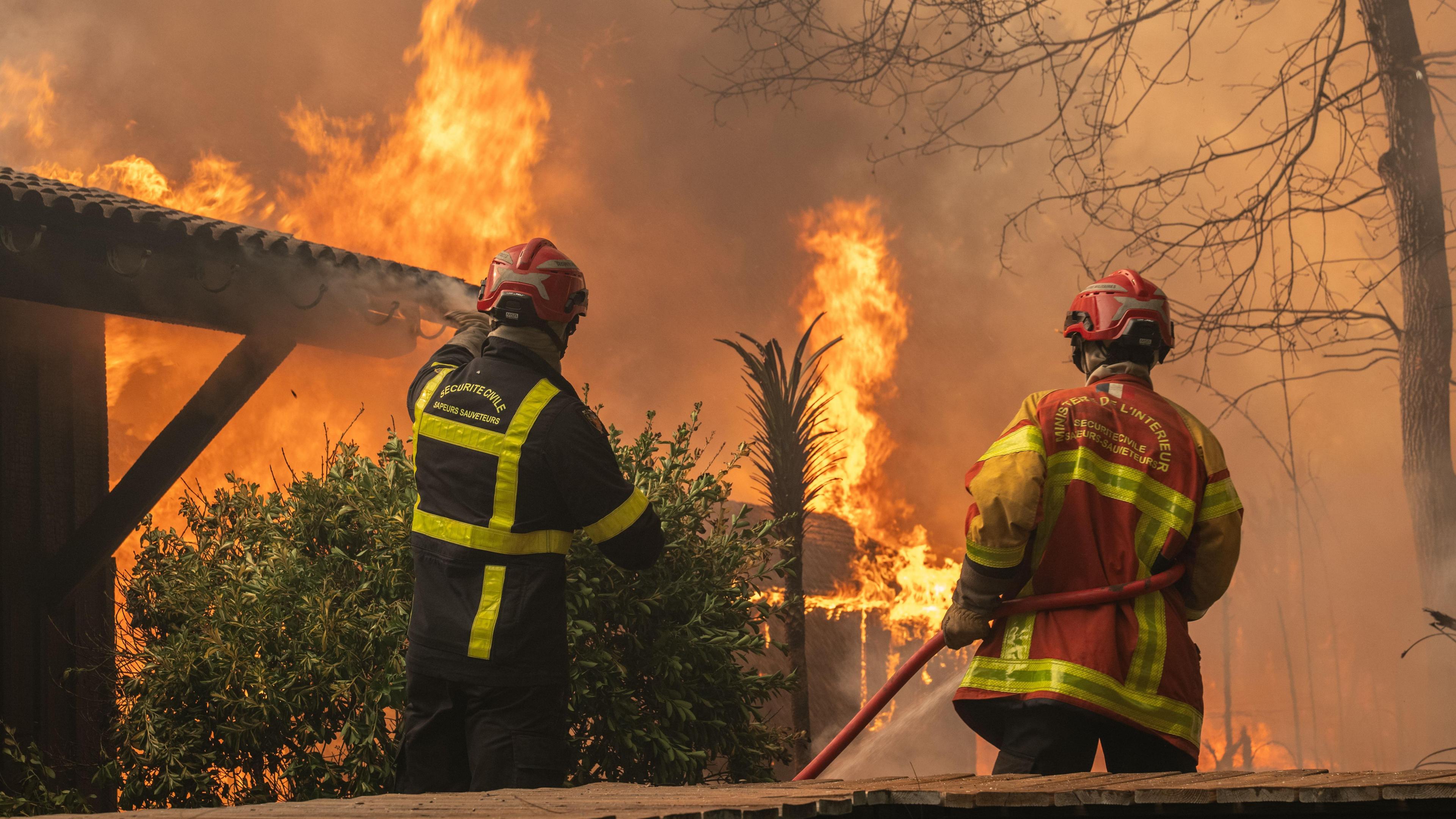
More than 250,000 people in France’s Gironde and Landes provinces and Spain’s Madrid and Ávila regions have scrambled from blazing forests and fields as winds column the flames toward major cities.
In France, crews are fighting dozens of fires east of the Arcachon Bay, with the largest blaze about 40 kilometres from Bordeaux. Firefighters are fighting to build firebreaks while the air is thick with smoke, and residents report a metallic taste in the air.
Spanish authorities have declared a state of emergency after 130,000 hectares were scorched early in the year, a figure that tops last‑year totals by a wide margin. A 2026 heatwave has made conditions ideal for the spread of wildfires.
Despite some relief in the Madrid region thanks to lesser winds and humidity gains, the fires remain severe. President Pedro Sánchez has called the situation “complex” and warned that a rebound in temperatures may push the flames further.
The military has moved into hot zones in France, clearing brush with bulldozers and filling water reservoirs, while international firefighting units—Canadairs, Air Tractors, Black Hawks—deliver water drops and attack the flames from the sky.
The situation has had ripple effects. The Tour de France’s final stage has been shortened from 133 km to 89 km to allow police forces to focus on burning areas. Many locals, including holiday makers in Saint‑Aubin‑de‑Médoc, have been forced to leave their properties last night.
EU civil‑protection agencies have deployed 11 aircraft and helicopters to the region, citing the potential for a record‑breaking summer of fires. According to the EU’s crisis commissioner, the damage caused by wildfires this year may surpass historical levels, even with a heatwave still expected to occur later in the season.