White House Rolls Out Red Carpet for Historic Xi Visit
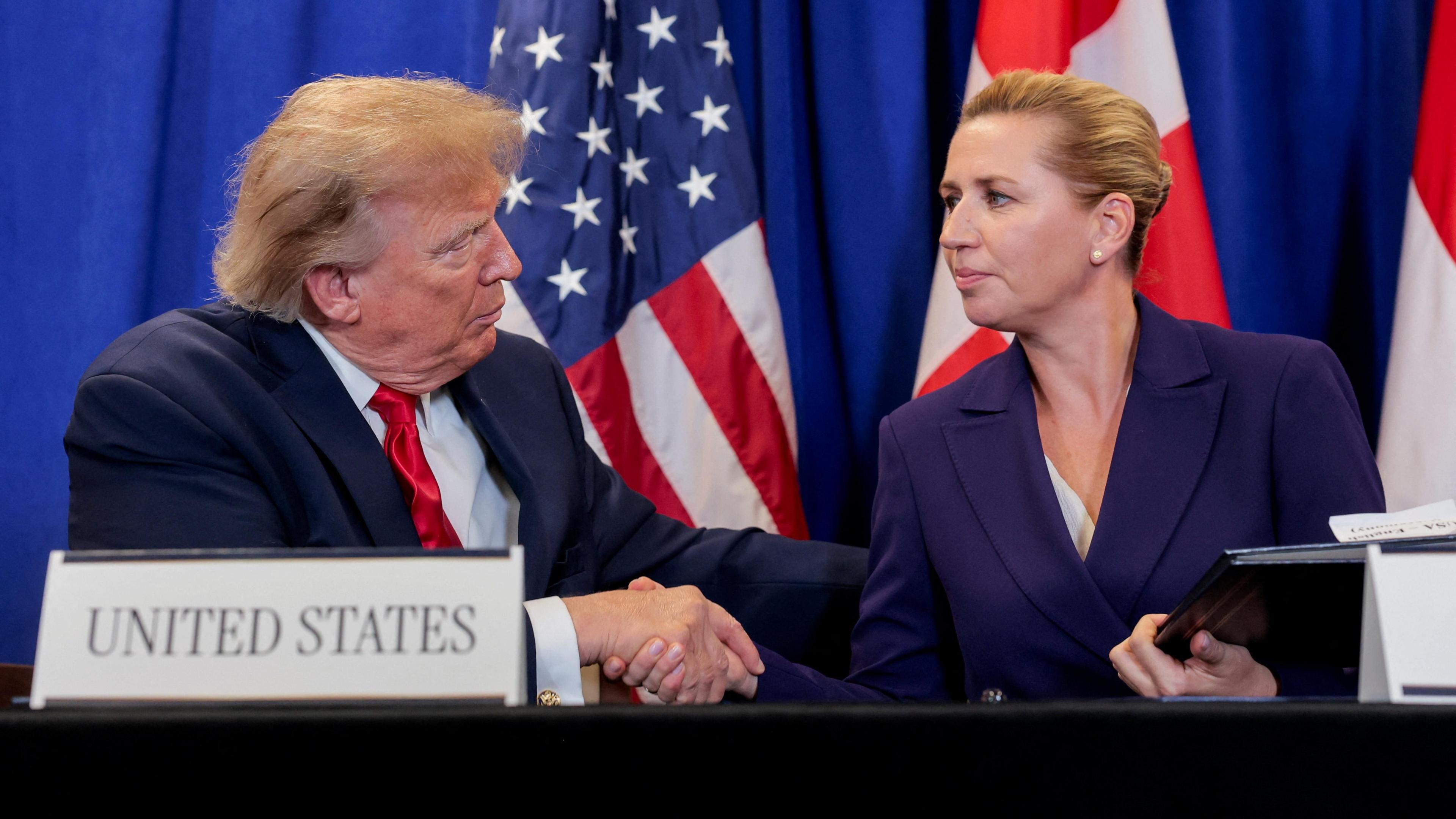
President Donald Trump is set to welcome Chinese leader Xi Jinping, who is arriving for a three‑day visit that marks his first state trip to the U.S. since 2015 and his third engagement with Trump this year.
The itinerary opens with a personal greeting at Andrews Air Force Base, followed by a White House state dinner and a military fly‑over to welcome Xi. The event is laden with pomp and pageantry, including lavish dinners, private tours and performances.
Three major themes dominate the agenda: trade, artificial intelligence (AI) and Taiwan. Trump has long complained about a $91‑billion trade deficit with China, and Beijing’s decision in October 2025 to ease rare‑earth export restrictions is about to expire in November. Analysts predict that the leaders will discuss extending the truce, although any significant deal may be unlikely.
A key side note is the pending U.S. arms sale to Taiwan—a multibillion‑dollar package that Trump has stalled, hoping to use it as leverage with Beijing over the island’s status.
"From meeting Xi at Andrews to having a fly‑over for Xi, this is not something afforded to any U.S. ally, much less an adversary like China," remarked David Sacks, Asia studies fellow at the Council on Foreign Relations.
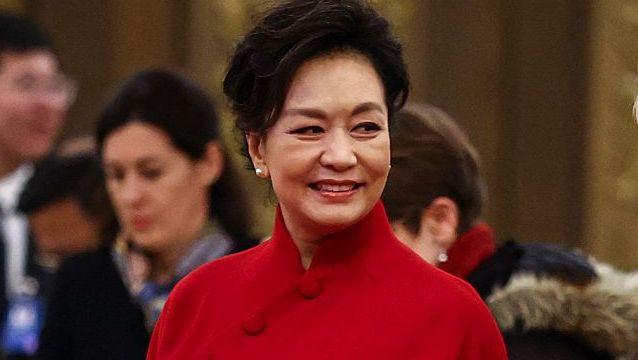
Xi is accompanied by First Lady Peng Liyuan, who is slated to visit the Smithsonian National Museum of Asian Art with U.S. First Lady Melania Trump on Thursday.
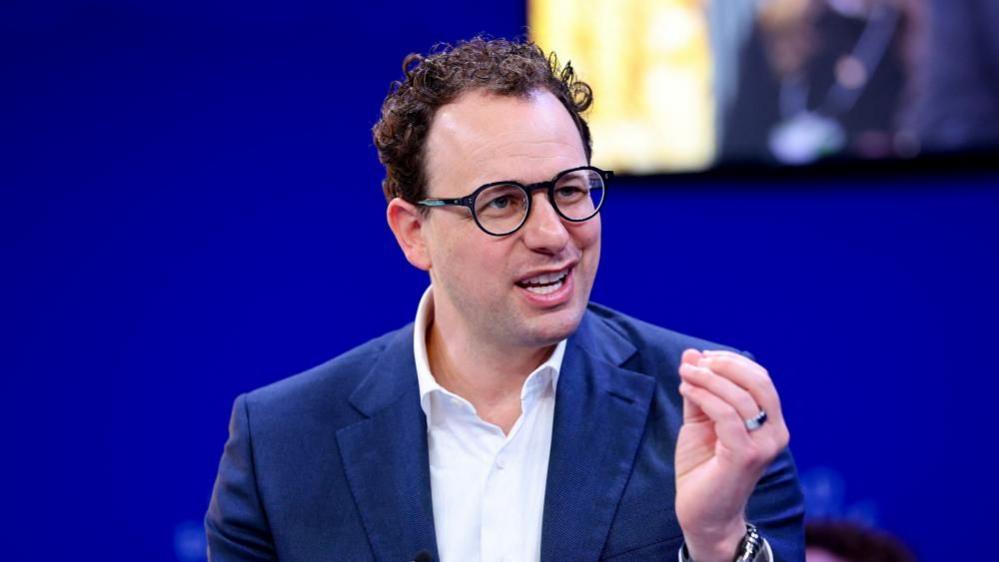
AI will also make the table: the U.S. and China are locked in a competitive race, and Washington’s leadership has called for a treaty to pause the development of superintelligence. Notable tech figures such as Open‑AI CEO Sam Altman, Nvidia chief Jensen Huang and Elon Musk will attend the state dinner.
Trade talks held alongside the United Nations General Assembly last week produced no concrete progress, leaving U.S. and Chinese negotiators to revisit issues on Wednesday after Xi’s arrival.
Experts echo that the visit may not yield breakthroughs on AI or trade, but the personal contact is a “critical signal” that Trump believes will reduce conflict: "The more I and President Xi meet, the less confrontational that relationship will be," said Stephen Orlins, president of the National Committee on U.S.–China Relations.