When Bureaucrats Become Heroes: How Indian Civil Servants Capture the Public Eye

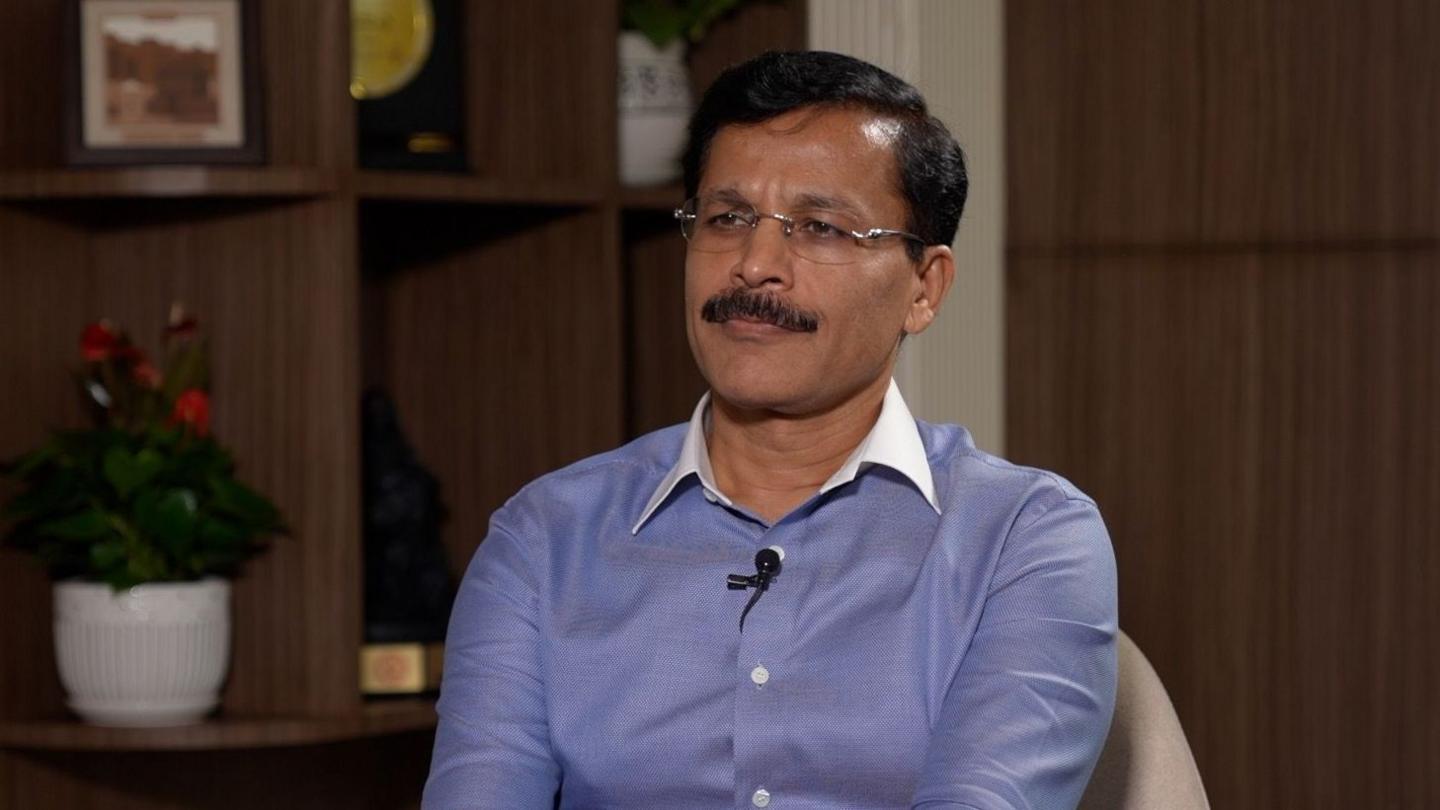
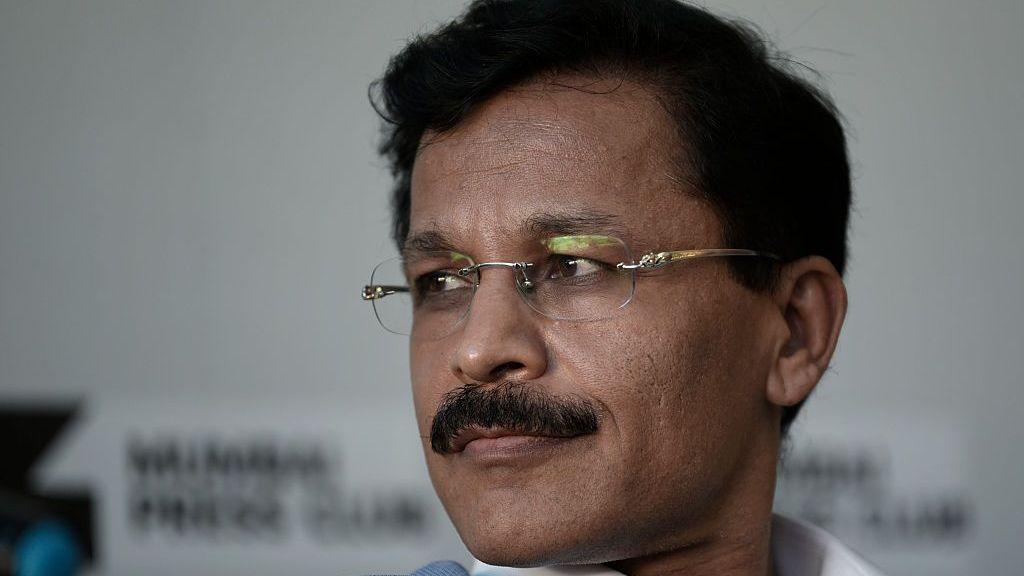
Few civil servants in India become household names – yet every few years a handful of officers break out of the quotidian grind to become national talking points. At the centre of the latest wave of such fame is Tukaram Mundhe, the 51‑year‑old commissioner of the Maharashtra Food and Drug Administration (FDA).
Since taking charge in May, Mundhe has led a series of enforcement drives that exposed pest infestations, expired food and poor hygiene in restaurants across the state. His teams also revealed a stark price gap between hospital purchases of common medical supplies and the amounts patients are charged, sparking outrage among the public.
Mundhe’s videos – often filmed on the spot – have gone viral, turning routine inspections into a spectacle of accountability that millions watch and share. “What should have been normal has become exceptional,” says retired civil servant Kamal Kant Jaswal, noting that public patience with sluggish service has made efficiency stand out.
He is not alone. In the Delhi‑suburb of Gurugram, town‑planner RS Batth has earned praise for fighting illegal construction and encroachments. Across the country, iconic figures such as former election commissioner N. T. Seshan, pioneering IPS officer Kiran Bedi, and police officer Neeraj Jadaun have each become symbols of ‘no‑nonsense’ rigor after high‑profile interventions.
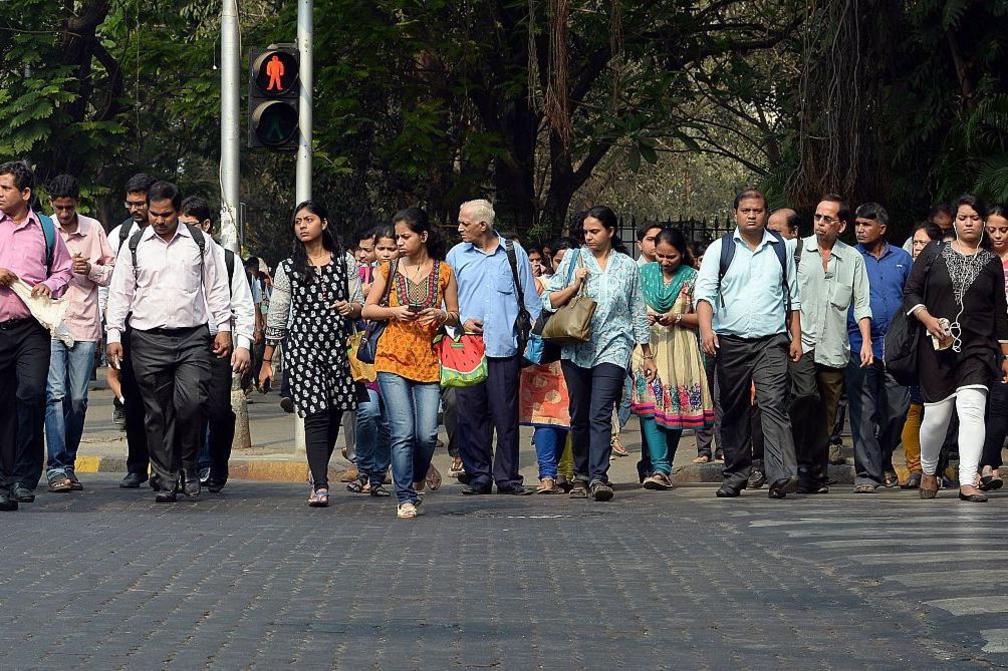
These stories fuel a national fascination with the honest bureaucrat, yet the reality for most officers is far less visible. Jaswal reminds us that thousands of civil servants perform routine duties behind the scenes, away from cameras and public scrutiny. “Their work may not involve much direct contact with citizens, or may simply be less visible,” he says.
When pressures from politicians or industry loom, operating with integrity can come at a high cost. Pushpa Sundar, a former civil servant and development author, notes that refusing a minister’s demands can lead to political reprisals and subsequent transfers. She argues that institutional safeguards are essential if officers are to act independently.
The tension between law and livelihood is palpable. An unauthorized street vendor’s stall is illegal under the law but may be the only source of income for a family. When bold enforcement meets economic realities, the same action can be hailed as law‑tightening or as unjustly harsh.
Social media amplifies these episodes. A single video of an inspection or a demolition can reach millions in hours, instantly catapulting an officer into national prominence. Mundhe himself says the attention is a side effect; his mandate remains the same: protect public health through strict application of existing rules.
Ultimately, the emergence of bureaucratic ‘heroes’ underscores a public yearning for efficient, transparent governance. When a routine process is conducted visibly and consistently, it can become remarkable – especially in a context where citizens often expect delays and denials. In a country with a massive bureaucracy, even the most ordinary day can turn heroic when it deviates from the norm.