In brief
With evidence of war crimes mounting, Israel's allied nations are beginning to lose patience over its military conduct in Gaza. While the humanitarian crisis reaches alarming levels, calls for a ceasefire and accountability heighten, alongside internal political pressures for Prime Minister Netanyahu.
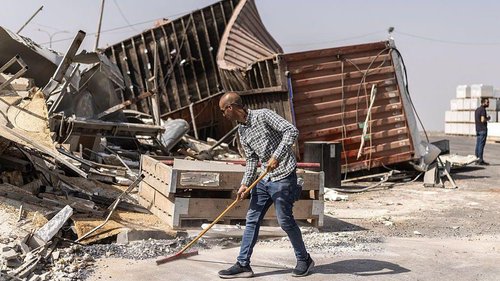
As the conflict in Gaza escalates, significant scrutiny is emerging regarding the actions of Israel and Hamas. On October 7, 2023, Hamas launched a devastating attack on Israel, killing around 1,200 individuals, primarily civilians. In the wake of this violence, both parties have faced allegations of war crimes, significantly intensifying international discourse.Israel's Prime Minister Benjamin Netanyahu, despite the gravity of the situation, has resisted pressures to investigate the strategic missteps that allowed Hamas to launch such a powerful assault. His administration has focused on broader regional objectives, primarily the containment of Iran and potential normalization with Saudi Arabia. However, these diplomatic goals appear overshadowed by the ongoing conflict.The United Nations and various humanitarian organizations have condemned Israel’s military operations since the October attacks, noting that the number of Palestinian casualties has soared, with tens of thousands reported dead and entire communities devastated. Critically, accusations have emerged that Israel is deliberately starving civilians and engaging in disproportionate military responses.International allies of Israel, who initially rallied to its side post-October 7, are increasingly voicing their concerns. Reports indicate that even longtime supporter Donald Trump is expressing growing discontent with Netanyahu’s approach. A joint declaration from foreign ministers representing multiple countries, including the UK, Canada, and Japan, has condemned Israel's humanitarian aid delivery model as ineffective, dangerous, and damaging to Palestinian dignity. Britain's foreign secretary, David Lammy, reiterated these statements in the House of Commons, emphasizing the urgent need for a decisive response. Meanwhile, discussions of formally recognizing a Palestinian state are gaining traction among various governments, although actions remain limited.In the political arena, Netanyahu faces mounting pressures from extremist factions within his coalition government, which complicates any potential moves toward a ceasefire. As Israel’s Knesset approaches a summer recess, many are left wondering if a ceasefire could provide critical relief for civilians in Gaza and the Israeli hostages held by Hamas. Yet, the path to peace remains convoluted, with realities on the ground suggesting that the humanitarian crisis is far from resolved.