In brief
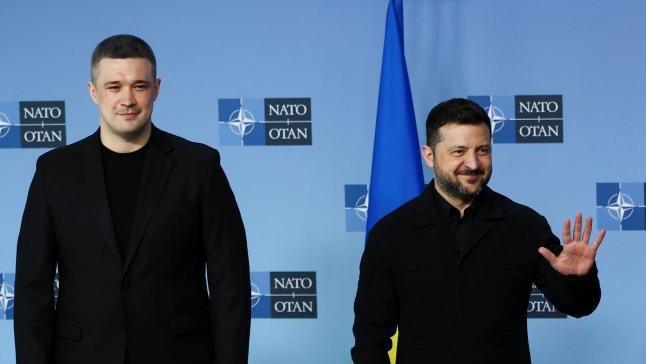
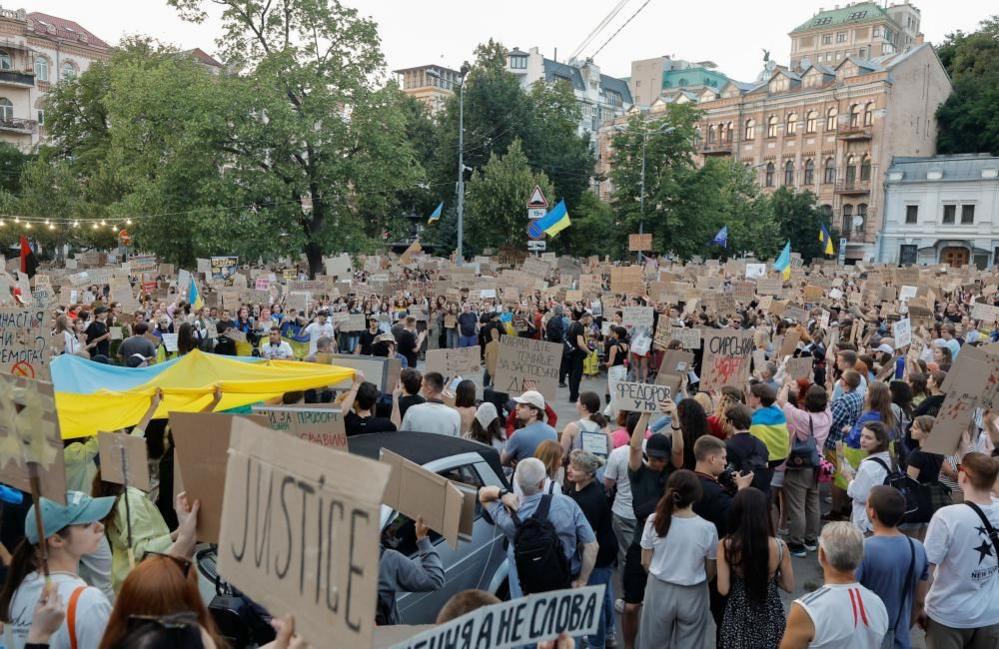
Mykhailo Fedorov, the ousted Ukrainian defense minister famed for modernizing the armed forces, declined deputy prime minister and other offers from President Zelensky, insisting on reclaiming his former role. His dismissal sparked nationwide protests that continue to demand his reinstatement. Zelensky, reacting to public backlash, replaced commander‑in‑chief Oleksandr Syrskyi and appointed a new chief. Analysts note that Fedorov’s innovations—particularly the drones program—are closely linked to Ukraine’s recent battlefield successes. With Fedorov refusing to compromise, the political showdown between reformist and traditional military voices remains unresolved.
Ukraine’s former defence minister Fedorov demands reinstatement
Mykhailo Fedorov, who led Ukraine’s armed forces from January, has publicly refused any alternative post in President Volodymyr Zelensky’s cabinet, insisting that his original position as defence minister be restored.
In a statement to journalists, Fedorov thanked the president but reiterated that only three state roles determine the war’s outcome: the president, the defence minister and the commander‑in‑chief. He believes these positions are essential for shaping Ukraine’s military strategy.
Zelensky had offered Fedorov roles such as deputy prime minister for military innovation, but Fedorov declined, arguing that such positions would not allow him to influence war efforts effectively. The rejection followed his dismissal last week—a decision that triggered mass street protests across the country.
Following public backlash, Zelensky sacked commander‑in‑chief Oleksandr Syrskyi and appointed Mykhailo Drapatyi. Yet, protesters continue to demand Fedorov’s return, reflecting deep divisions within Ukraine’s political and military establishments.
Fedorov praised his “specific plan” employed to reshape the army, highlighting innovations such as the Army of Drones initiative and decisive actions against Russian forces. Analysts note that these reforms greatly contributed to Ukraine’s recent successes, though some argue that earlier strategies set by Syrskyi also laid groundwork for current operations.
Presidential adviser Dmytro Lytvyn confirmed ongoing talks, saying further negotiations are underway but details remain confidential.