In brief
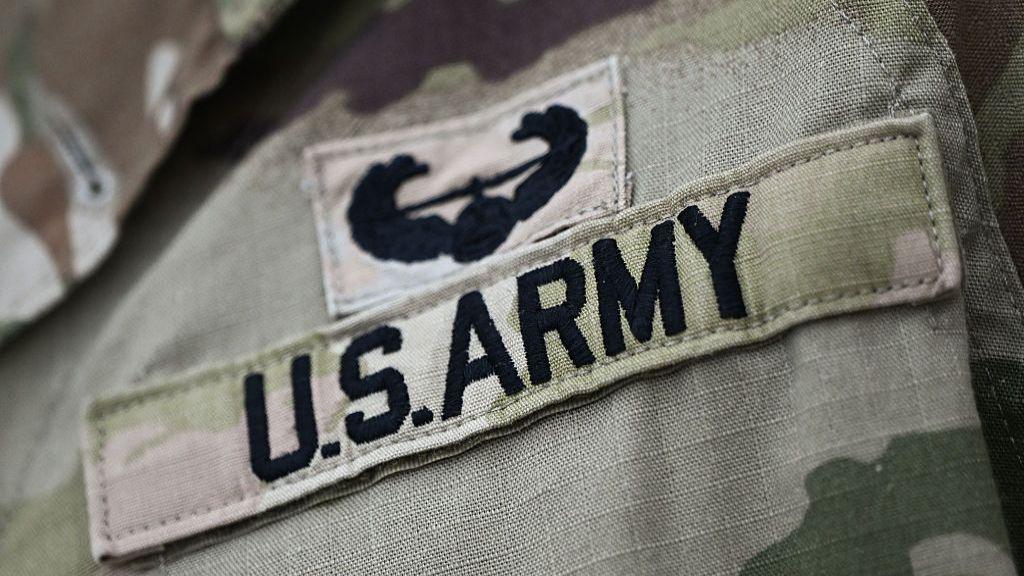
The U.S. announced the withdrawal of most troops it had deployed in Nigeria, citing victory in a joint operation against the Islamic State (IS). The operation, begun in December in the Lake Chad Basin, included missiles strikes and the insertion of about 200 soldiers. During the mission, senior IS leader Abu‑Bilal al‑Minuki was killed. Both sides confirmed that intelligence sharing will persist, and Nigeria’s military said it would not affect its counter‑insurgency momentum. The U.S. commander highlighted that the IS leadership and network in Nigeria has been significantly degraded, though a small U.S. presence remains.
The United States announced that it would withdraw the majority of its troops stationed in Nigeria, a decision that follows a joint operation with Nigerian forces that disrupted the Islamic State (IS) in the Lake Chad Basin.
In December, the two armies launched air strikes on IS positions on Christmas Day, later inserting about 200 U.S. soldiers into northern Nigeria to support ground intelligence and logistics.
During the months‑long mission, senior IS commander Abu‑Bilal al‑Minuki was killed by a missile strike, and the U.S. closed its operations with a statement that the campaign had been a success and that the IS leadership in Nigeria had been "significantly degraded".
Nigeria’s military spokesman, Major General Samaila Uba, said the withdrawal would not affect the army’s momentum and that intelligence‑sharing between the two sides will continue. Maj‑Gen Michael Onoja echoed this view in an interview.
Commander General Dagvin Anderson of U.S. Air Forces in Africa explained that the joint operation had disrupted IS’s local command structure and its wider network, limiting the group’s ability to coordinate attacks.
While most deployed troops have left, a small U.S. presence remains in Nigeria to support the national army’s ongoing counter‑insurgency efforts.
Nigeria still faces a range of security threats, from IS militants to bandits and criminal gangs that have crossed from the north into central and southern regions of the country.
The U.S. withdrawal underscores a shift in U.S. military strategy in the region, balancing support for partner forces while avoiding direct ground combat roles.