
In brief
U.S. central command announced that a new series of strikes on Iran marked the sixth night of attacks, targeting locations near the Strait of Hormuz and a nuclear plant in Bushehr. Iran’s state media reported missile impacts around Qeshm Island, Bandar Abbas, and Bushehr, while the U.S. cited its goal to degrade Iran’s military capabilities. The clash follows a day of mutual exchanges that risk unraveling a tentative peace deal and keeps the crucial Strait shut. President Trump and White House officials have reiterated their willingness to negotiate but warned of severe consequences for further aggression. Meanwhile, Iran denied any release of U.S. prisoners, contradicting statements by Trump about a detainee release.
The U.S. has launched a new wave of strikes on Iran, marking the sixth consecutive night of military action as tensions over the Strait of Hormuz intensify.
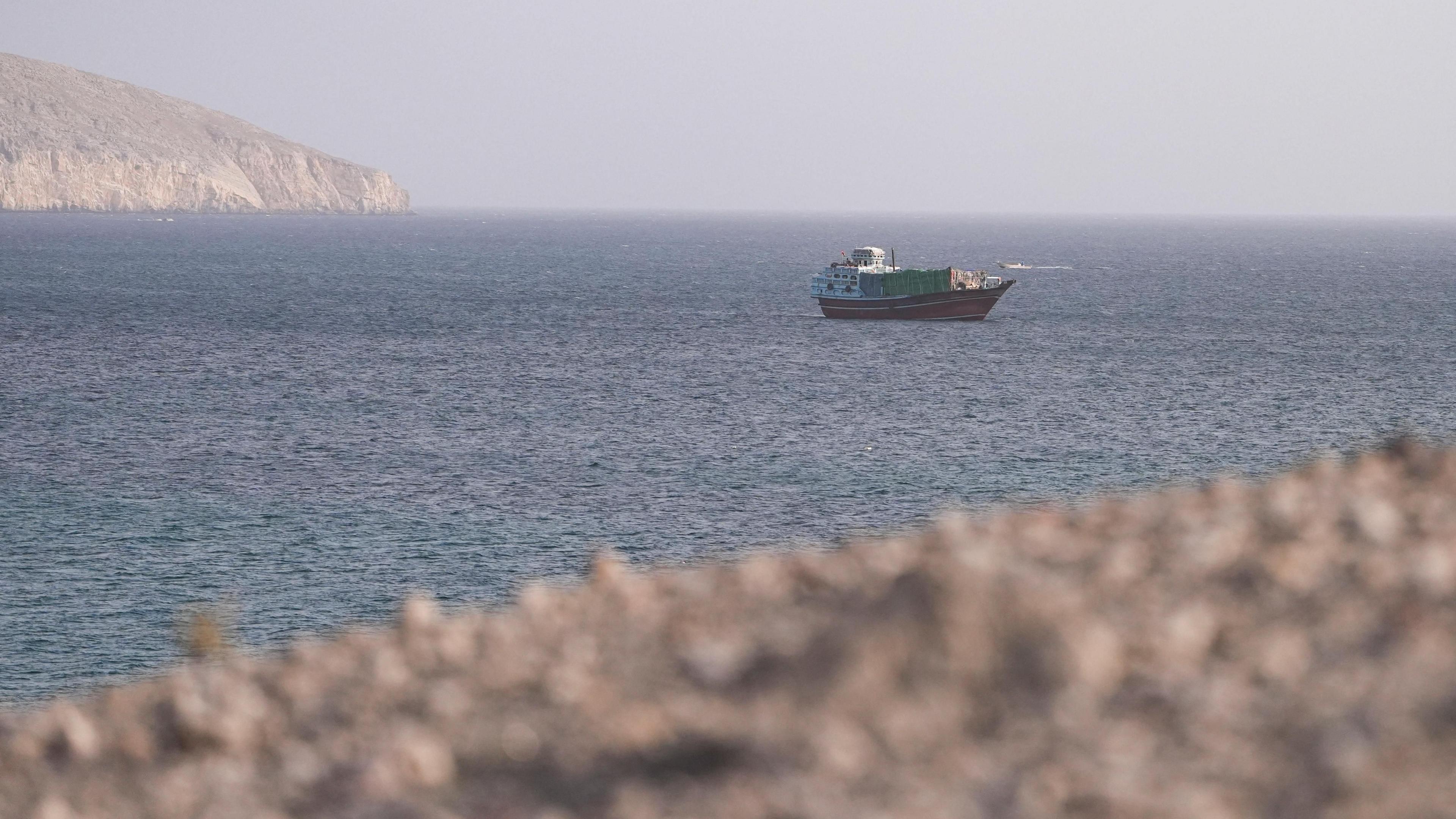
Central Command stated the attacks are designed to further degrade Iranian military capabilities. Iranian state media reported missile impacts near Qeshm Island, Bandar Abbas, and the nuclear facility in Bushehr.
These retaliations come after overnight exchanges that could destabilize a preliminary peace framework. The Strait of Hormuz remains blocked amid the conflict, threatening global shipping routes.
President Donald Trump has remained open to dialogue but warned the U.S. will hold Iran accountable for any further aggression. White House spokesperson Karoline Leavitt emphasized that the U.S. will respond firmly to any violation of the surrounding waters.
Iran’s top negotiator, Mohammad Bagher Ghalibaf, decried any deal that does not benefit the country and highlighted the importance of preserving national sovereignty in the Strait.
Meanwhile, Trump praised an alleged Iranian release of U.S. detainee Dena Karari, a claim later denied by Iranian authorities who asserted no prisoner exchange took place.
Both sides have threatened further attacks: Iran blamed U.S. strikes on its military bases in Jordan, Kuwait, and Bahrain, while the U.S. claimed a six‑hour strike wave on multiple Strait locations.
Continued hostilities risk escalating into a broader confrontation, underscoring the fragile balance of power in the region.
