In brief
Robert F. Kennedy Jr. is challenging America’s food systems, calling for significant reform in food regulations, especially targeting ultra-processed foods and additives.
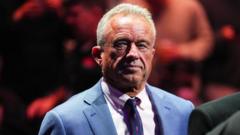
Robert F. Kennedy Jr., recently appointed by President-elect Donald Trump to lead the Department of Health and Human Services (HHS), is making waves with his ambitious agenda to reform how Americans approach their diets. Known for his staunch opposition to numerous food industry practices, Kennedy seeks to address the detrimental effects of ultra-processed foods, artificial dyes, and controversial additives on public health.At a rally in November, Kennedy passionately declared, “We are betraying our children by letting industries poison them,” highlighting the alarming presence of unhealthy ingredients in popular food products. He draws attention to items like sugary cereals and fast-food staples, alarming many who believe children are “swimming around in a toxic soup.” Kennedy’s proposed overhaul of the HHS and partnership with the FDA, which oversees food safety, appears driven by a resolve to eliminate unhealthy components from American diets. Yet, experts warn that achieving these ambitious goals will encounter formidable challenges, particularly from the established food industry, referred to as "Big Food".Several voices from the public health community have cautiously endorsed Kennedy’s aims, sensing an opportunity to alleviate chronic diseases linked to unhealthy eating habits. Colorado Governor Jared Polis noted on social media, "Kennedy will help make America healthy again by shaking up HHS and FDA,” supporting the notion that his stance aligns with significant public health reform.Despite general support, there are clouds of controversy surrounding Kennedy's nomination. Critics are not shy to highlight his history of contentious health claims, notably regarding vaccines and environmental issues. While some of his ideas—like removing certain food dyes and stabilizers—are lauded by experts, others raise significant red flags. For instance, proposals linked to raw milk consumption and banning fluoride from water supplies face scrutiny over health risks and scientific backing.Kennedy also aims to dismantle existing FDA structures he deems ineffective, pledging to fire certain personnel within the agency to pave the way for reform. His ambition raises questions among public health experts about the potential adverse effects such actions could have on food safety oversight.Moreover, tackling the influence of industrialized agriculture and food production isn’t expected to be straightforward. Past experiences suggest that Kennedy is likely to encounter strong resistance from powerful food industry lobbyists, complicating the execution of his vision. Agriculture senators, including Chuck Grassley, have indicated plans to discuss these topics with Kennedy, stressing the need for a comprehensive understanding of food policy.Regardless of challenges, Kennedy’s push for a dietary revolution resonates with many Americans tired of the status quo, indicating a growing demand for an accountable food industry that prioritizes health over profit. Though formidable roadblocks lie ahead, Kennedy's efforts could usher in a significant shift in America's dietary landscape. As public discourse evolves around food safety and health, the debate surrounding Kennedy's agenda will likely intensify. In summary, while RFK Jr. aims to make significant changes to America's diet through aggressive reform, the path forward will require navigating complex industry dynamics and confronting the realities of the current food system.