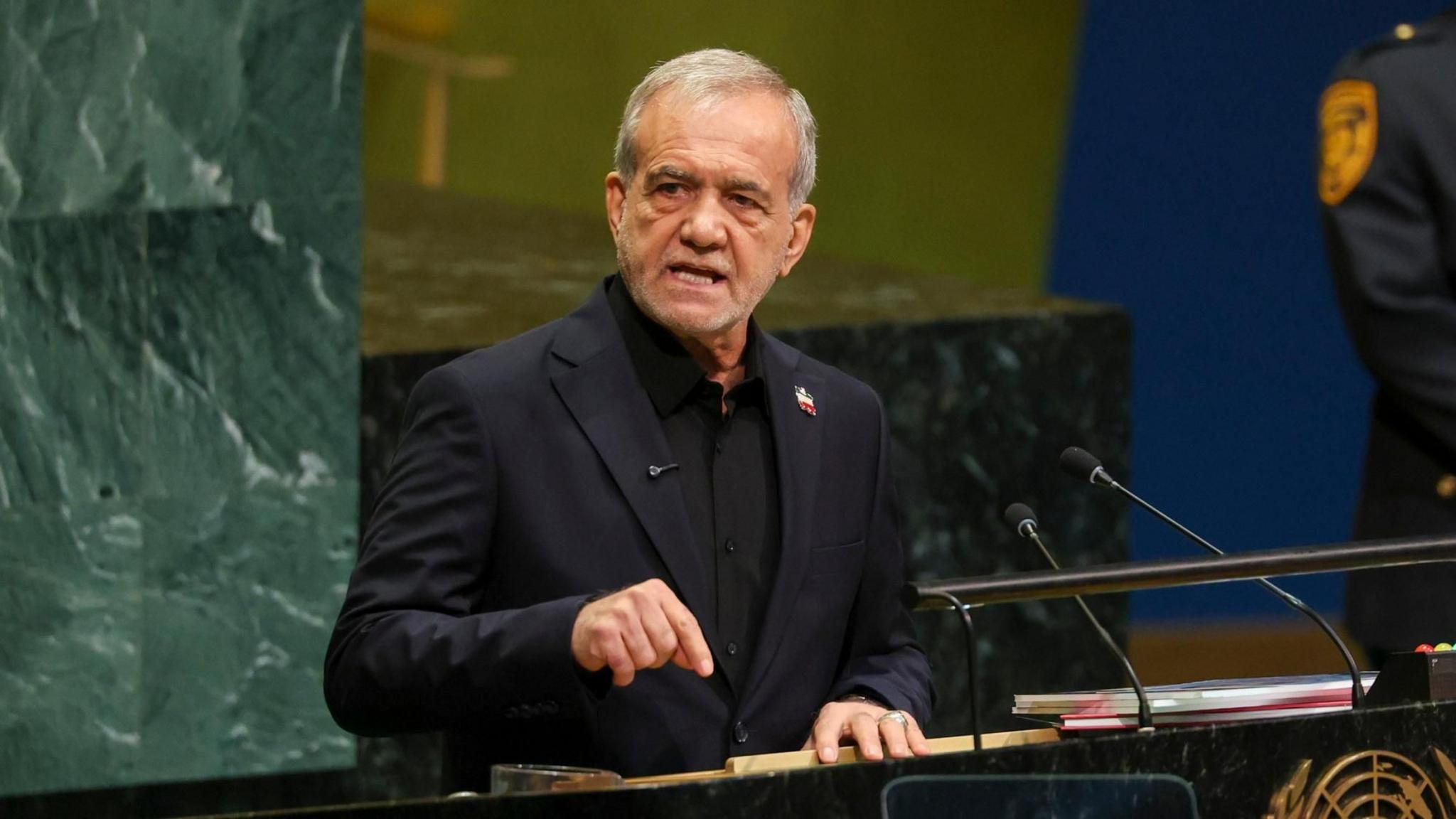
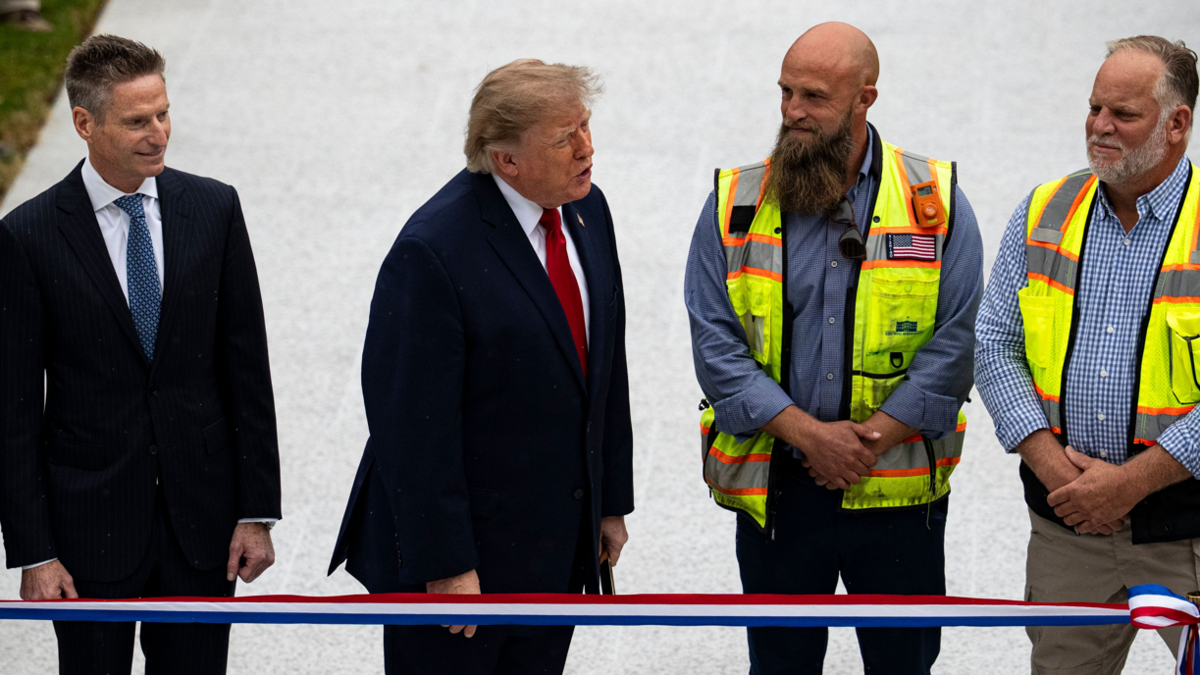
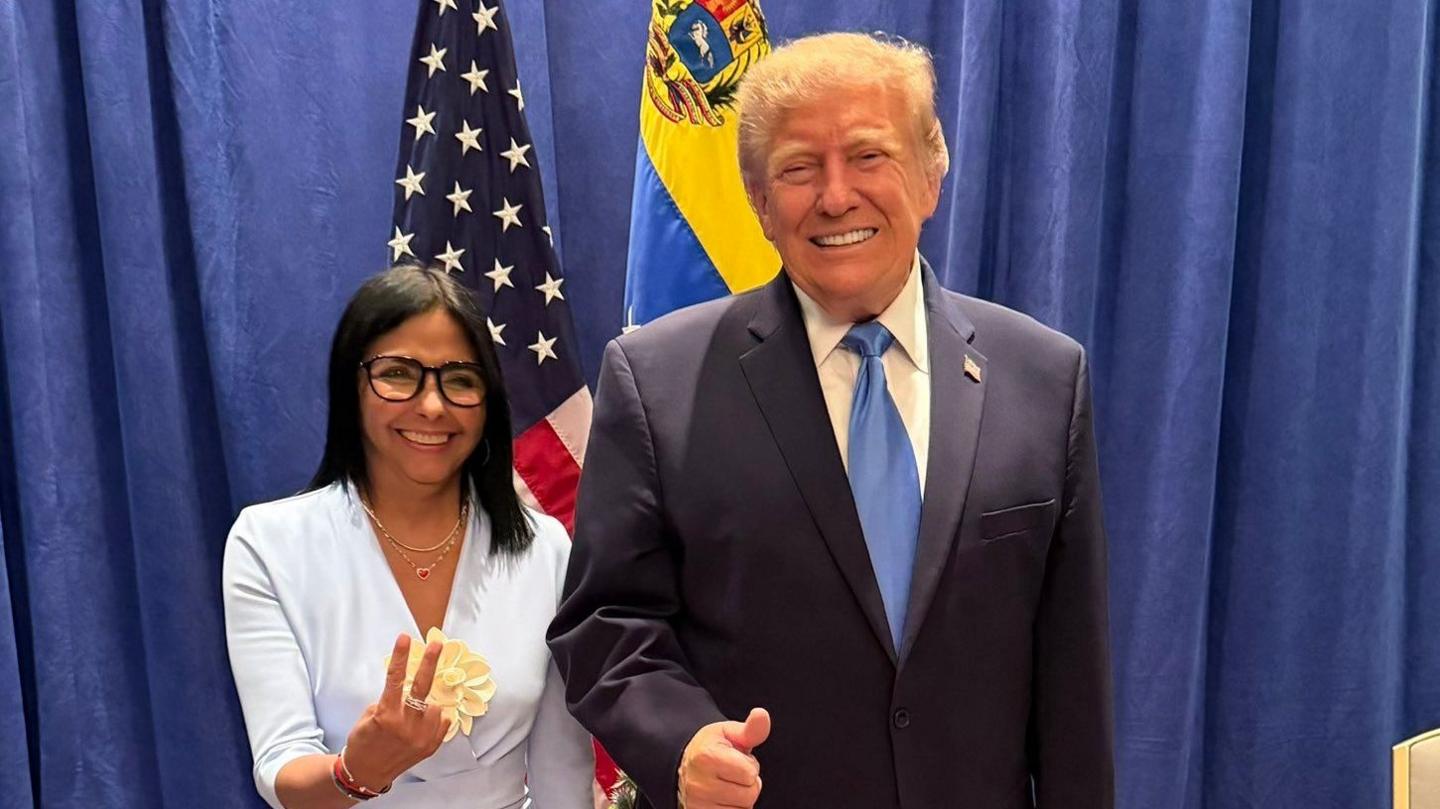
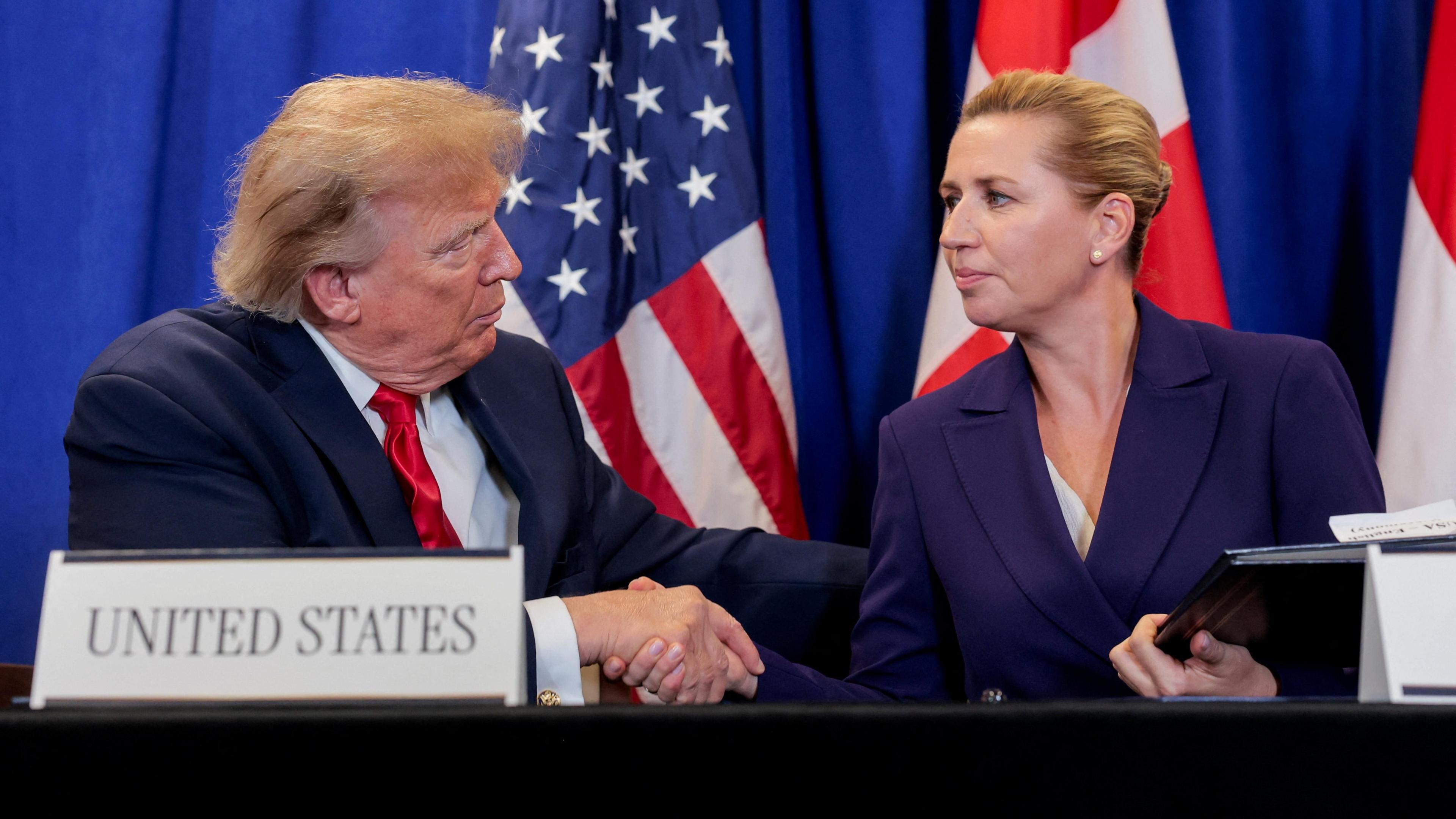
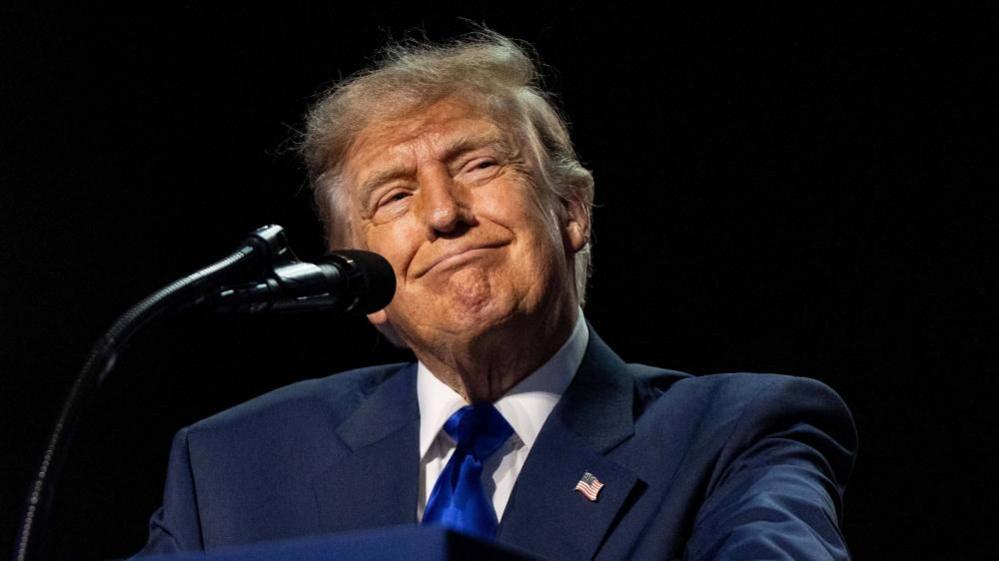
For the third day of the UN General Assembly this week, delegates from nearly every nation have gathered in New York to present speeches and conduct high‑level meetings. In an event that has been both dramatic and diplomatic, the assembly has witnessed a flurry of key moments, including a threat from former U.S. President Donald Trump to "annihilate Iran", the first meeting of new British Prime Minister Andy Burnham with several world leaders, and a solemn farewell address by United Nations Secretary‑General António Guterres. Each of these moments exemplifies the tension and cooperation that typify global diplomacy in this charged era.
Trump’s statement—made in an interval of the assembly’s speeches—raised immediate concern among delegates about the limits of political rhetoric and the potential for escalation. While some leaders expressed support for sanctions and diplomatic pressure, others took the opportunity to call for restraint and constructive dialogue. Burnham’s historic appointment and his outreach to foreign counterparts have been described as a positive step for the United Kingdom’s engagement on the world stage. Guterres’ address emphasised the impact of multilateral actions and reminded the international community of the importance of collective decision‑making, even as he announced his departure from the role of International Leader of Peace.
With a range of yet‑unresolved issues hanging over the assembly—from negotiations over climate change to public‑health cooperation—the UNGA remains a venue for heightened debate and hopeful prospects alike. The event will continue to unfold, with legislative buildings and palatial halls gathering further to engage on global challenges and a more communicative future.