In brief
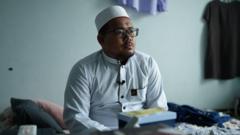
Soe Nay Oo, a former imam from Myanmar, mourns the tragic loss of around 170 loved ones following a powerful earthquake that struck during Ramadan. The quake led to the collapse of several mosques, claiming numerous lives and leaving the community in despair.
In a devastating turn of events, the Muslim community in Myanmar is in mourning after a powerful earthquake struck last Friday, coinciding with the holy month of Ramadan. As the call to prayer echoed through the streets of Sagaing, worshippers flocked to local mosques for their final Friday prayers, unaware of the catastrophe that was about to unfold. At 12:51 p.m. local time (06:21 GMT), the earthquake hit, collapsing three mosques, including the largest, Myoma, and claiming the lives of countless worshippers inside.Soe Nay Oo, a former imam of Myoma mosque who now resides in Mae Sot, Thailand, felt the tremors and later learned the heartbreaking news that roughly 170 of his relatives, friends, and congregation members had perished, mostly while praying. Shocked by the sheer scale of loss, Nay Oo reflected, "I can't hold back my tears when I talk about this." The death toll from the earthquake has surpassed 2,700, with many more feared trapped beneath the rubble as rescue efforts continue.The severity of the disaster is further underscored by the fact that the Muslim community was taking part in religious observances when tragedy struck. Eyewitness accounts highlight strong emotional distress among survivors, many of whom have lost family members and close friends in the sudden disaster. Approximately 500 Muslims are believed to have died while engaged in prayer, and reports suggest that Myoma Street, home to the collapsed mosques, was one of the hardest-hit areas.In the wake of the earthquake, survivors have taken refuge by the side of roads, many of them homeless or fearing aftershocks. The supply of food and resources is limited, compounding the difficulties faced by those affected by the disaster. The aftermath has left families distraught and struggling to cope with their losses, as many of the deceased were prominent members of the community, including respected leaders and educators.Among those lost is a beloved cousin of Nay Oo's wife, whose passing has left a profound void in their family. Nay Oo recalls her warmth and love: "She was the one who showed her love to us the most." The list of the deceased also includes Nay Oo's former assistant and respected local figures, making the toll even harder to bear for the grieving community.As Nay Oo copes with survivor's guilt, feeling helpless to assist when the tragedy struck, he has put his human rights work on hold to focus on coordinating rescue efforts. With more than 1,000 Muslims in the area in dire need of assistance, he strives to provide aid and gather information for those still searching for their loved ones. "If I could return to Myanmar and use my skills in any way, I would do so peacefully," he admits, lost in the heartbreak of not being present during the crisis.The challenges facing Nay Oo and the community extend beyond emotional turmoil, as ongoing military conflict complicates burial efforts and grieving processes. Many bodies remain unburied, stranded due to conflicts impeding access to cemeteries. Nay Oo poignantly expresses the sorrow of not being able to properly honor those lost: "It is the saddest thing that we cannot bury our families by ourselves at the end of their journey."With every new report of loss, Nay Oo's pain intensifies, yet he finds solace in being able to help those who are still suffering. As rescue efforts continue, he remains dedicated to offering support, standing as a pillar of resilience for others, even as he grapples with his own profound grief.