
In brief
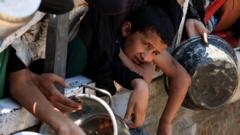
As international pressure mounts for humanitarian aid to Gaza, Israel's offer of air drops is seen as a symbolic act rather than a genuine solution to the dire hunger situation, which requires comprehensive and unrestricted humanitarian access.
In the face of a worsening hunger crisis in Gaza, Israel has responded by proposing to conduct air drops of aid, a move that critics argue is more about appeasing international allies than providing meaningful assistance. This comes amidst stark warnings from the UK, France, and Germany, urging Israel to lift restrictions on aid flow to the region, fulfilling its obligations under international humanitarian law.Despite Israel's claims that there are no barriers to aid trucks entering Gaza, this assertion is met with skepticism by close allies, as well as various agencies operating within the territory. Amid these discussions, UK Labour leader Keir Starmer expressed support for the air drop initiative, emphasizing the importance of aid.However, seasoned journalists and relief experts caution against reliance on air drops. Historical precedents from past conflicts reveal the chaotic and dangerous nature of air-dropped aid. Bowen referenced experiences in Iraq and Bosnia, where supplies landed indiscriminately, often putting lives at risk and failing to meet the actual needs of the affected population.Aid air drops, they argue, are typically a last-resort measure when other forms of access are completely blocked. In Gaza’s case, however, there are viable land routes available; Israel's Ashdod port and the Jordanian border could facilitate organized convoys that would deliver aid more effectively than air drops.The logistical challenges of air drops in heavily populated areas are considerable, leading to potential violence among desperate individuals competing for limited supplies. As the UN warns that a significant portion of Gaza's population may go days without food, it becomes increasingly evident that a more substantial, long-term humanitarian plan is essential. Simply relying on air drops will not alleviate the suffering of those in Gaza facing starvation.
