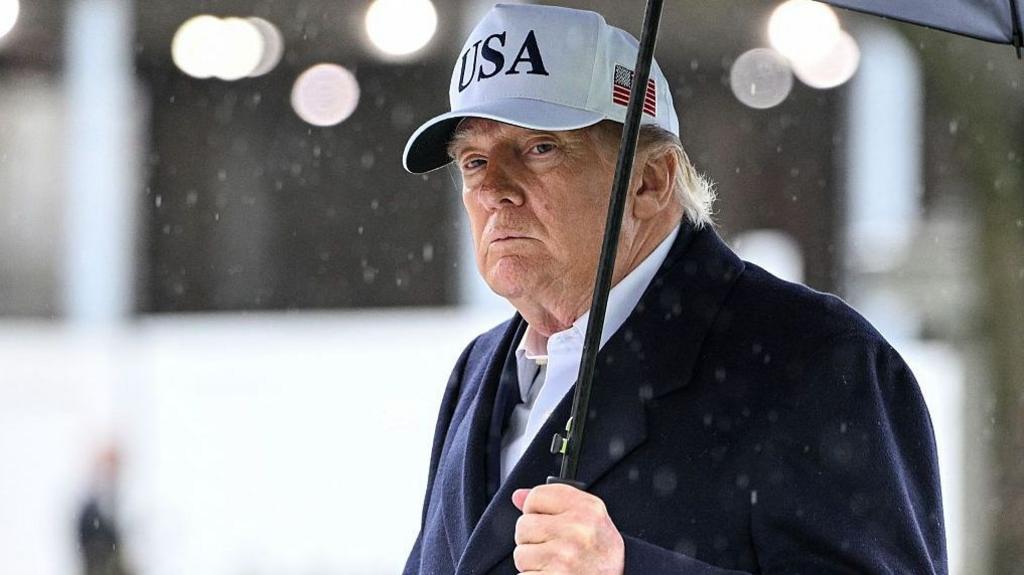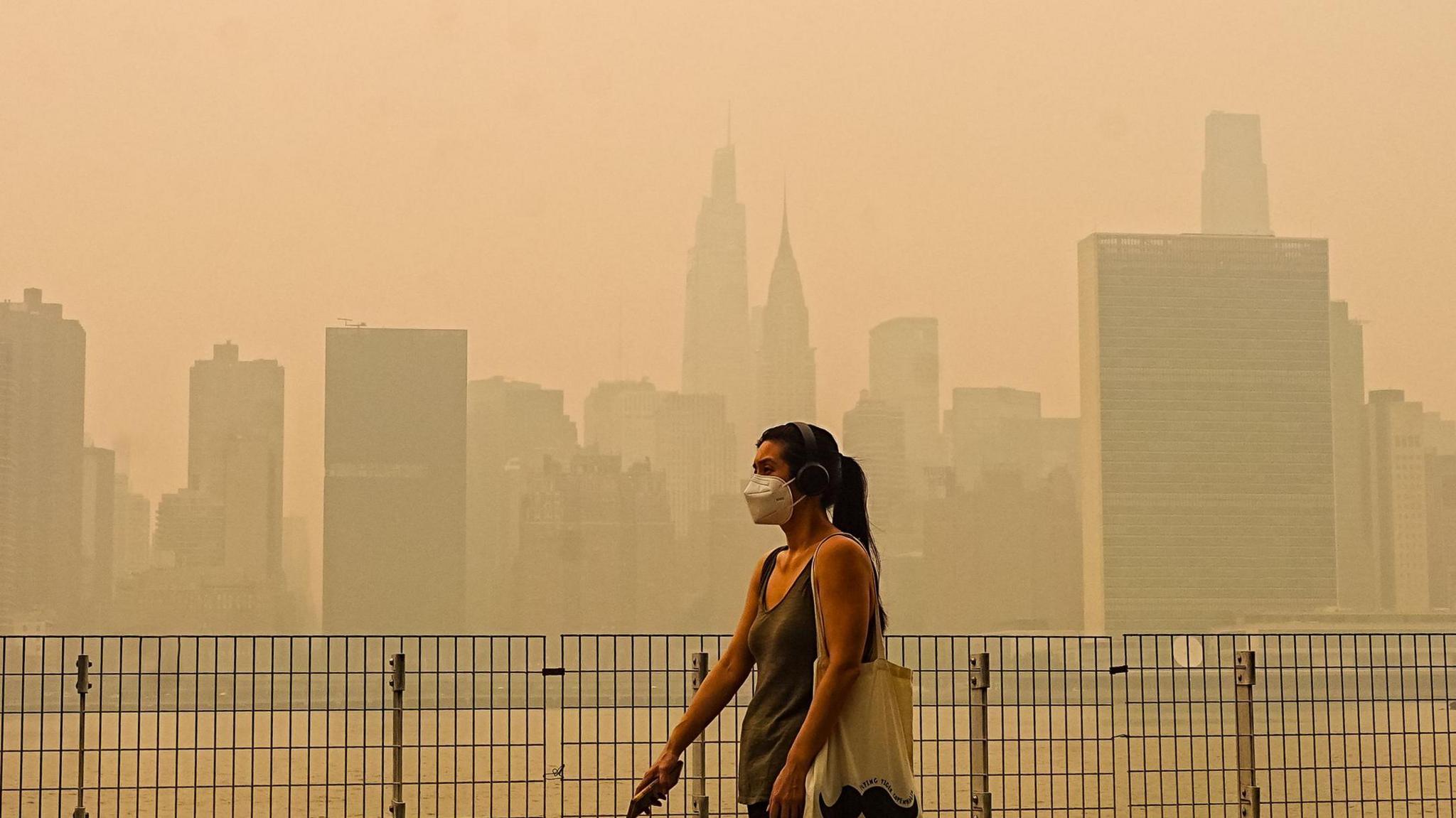
Donald Trump has warned that he could impose new tariffs on Canada as wildfires across the country continue to send dense, polluted smoke into U.S. airspace. In a post on Truth Social, the former president called the smoke “filthy, polluted and unhealthy” and accused Canada of “willful negligence.”
The statement followed complaints by U.S. lawmakers and Ontario premier Doug Ford’s plea that Canada should assist rather than criticize U.S. wildfire responses. Ford said, “You don’t get on and start threatening and criticizing because one day it’ll be your turn.”
According to the Canadian Wildland Fire Information System, 955 fires are actively burning across Canada, with 190 of those in Ontario. Most of the blazes are out of control, and the large amount of fuel on the ground has amplified their spread.
Canadian officials point out that the country has invested C$12 billion (US$8.5 billion) in forest sustainability and fire prevention. Prime Minister Mark Carney stressed that the US and Canada share responsibility to fight climate change and fire risk, citing the 1982 reciprocal firefighting agreement and the 2025 G7 summit agreement.
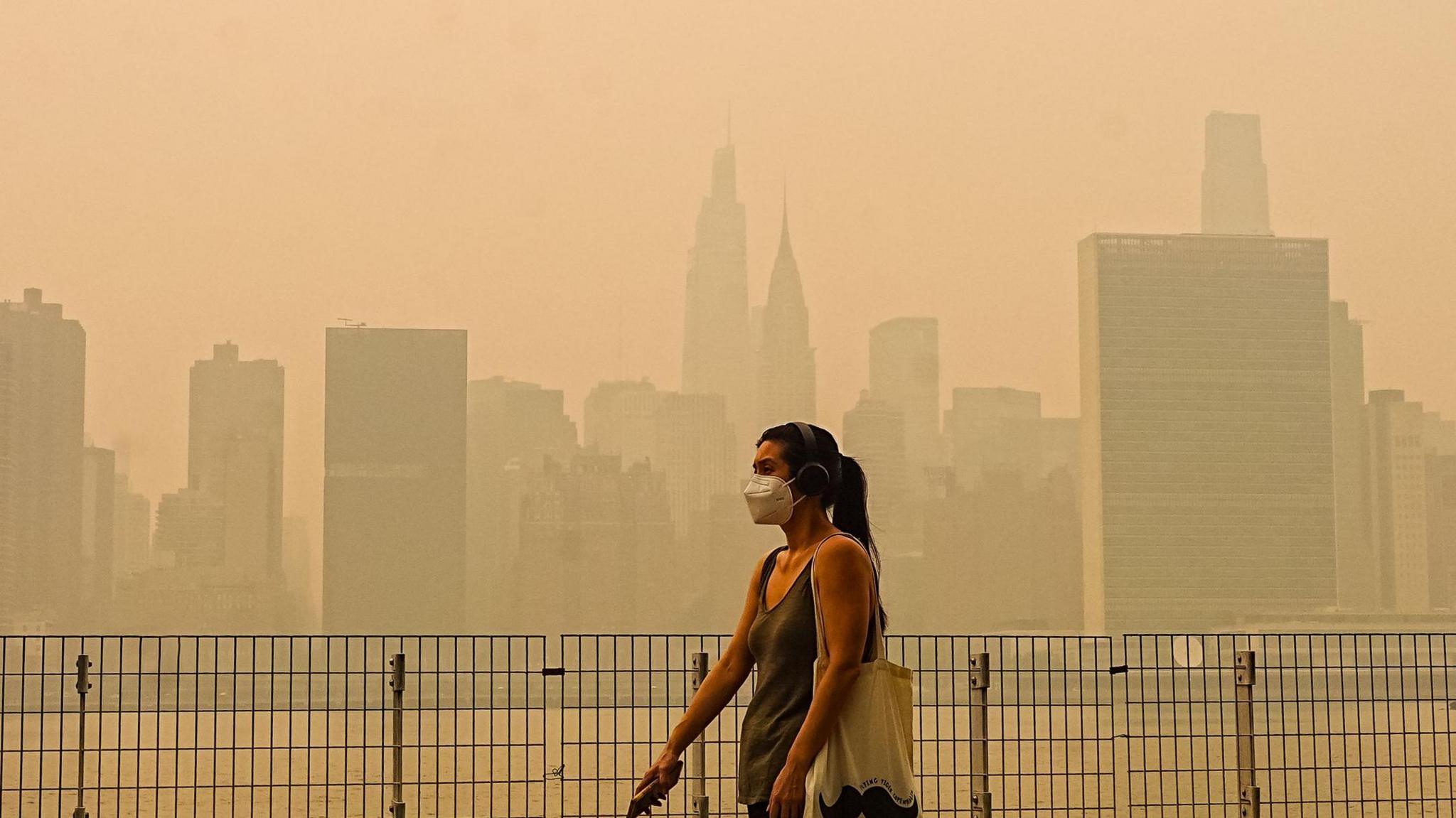
The smoke has sparked air‑quality alerts across many U.S. cities, including New York, Detroit, Chicago, Washington D.C. and parts of Pennsylvania. Air‑quality advisories ranging from “hazardous” to “severe” prompted cancellations of outdoor events, school closures, and increased health warnings.
Diplomatic relations have been tense for months, largely around trade. Trump’s earlier tariffs on Canadian goods have not yet been resolved, and the current threat adds a new layer of friction. However, both sides note that their longstanding partnership still extends to coordinated emergency responses, with Canada’s forest agencies deploying water bombers, helicopters and over 150 fire crews on the front line.
Canadian Wildland Fire Information System provides real‑time updates on fires, and government agencies are working with provinces to improve prevention and preparedness.
IQAir’s global air‑quality tracker reports that Detroit’s air quality was the worst in the world on the day the haze was most visible.
While Trump’s remarks are a diplomatic flashpoint, officials say cross‑border cooperation will remain essential as wildfires and climate change create new environmental challenges that respect no borders.