In brief
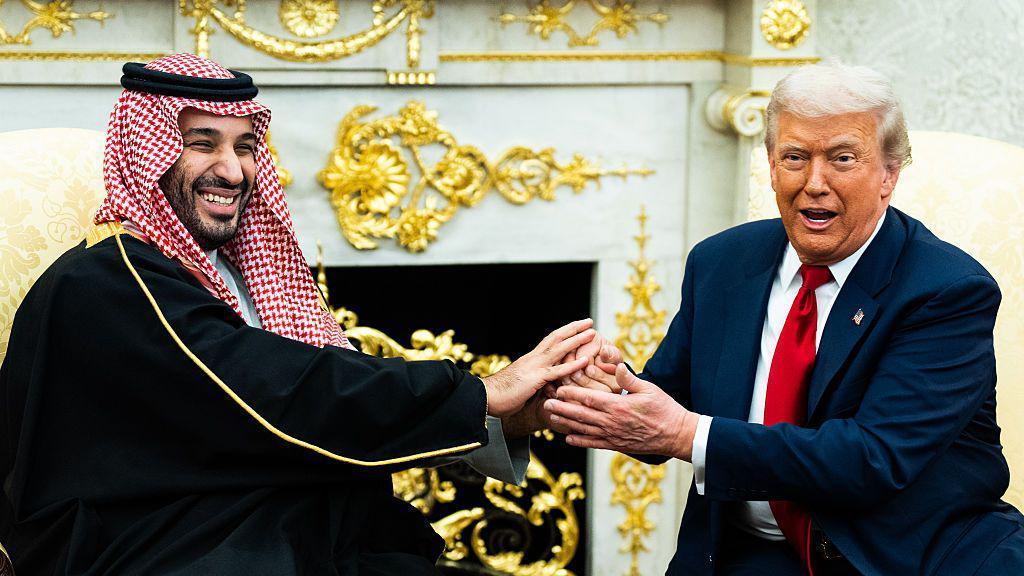
Donald Trump has tied a US‑Saudi civil nuclear cooperation agreement to Riyadh joining the Abraham Accords, a move that has spurred diplomatic discussion and concerns over nuclear proliferation. White House press secretary Karoline Leavitt confirmed the president’s statements had been reiterated previously. Critics question whether the arrangement could allow enrichment capabilities, though Trump assures the deal is purely civilian. Israel welcomed the condition as a potential diplomatic advance, while Saudi officials have yet to respond officially. The agreement will still be forwarded to Congress for scrutiny amid global oversight.
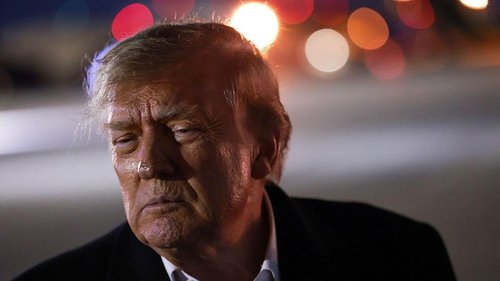
In a tweet on Truth Social, former President Donald Trump asserted that a U.S. civil‑nuclear cooperation agreement with Saudi Arabia would be approved only if Riyadh joined the Abraham Accords and formally recognises Israel.
White House press secretary Karoline Leavitt confirmed that the president’s remarks were not new, noting that he has publicly said the deal would be “off” if the Kingdom did not become part of the Accords. The stipulation is not evident in the treaty text, which has yet to be released, nor has Riyadh formally agreed to the prerequisite.
The bilateral agreement, described by the Department of Energy as a “peaceful nuclear co‑operation agreement”, would grant U.S. firms access to the Kingdom’s emerging nuclear energy programme. It would also include a “bilateral safeguards agreement” and go to Congress for review.
Experts caution that complex regional dynamics could amplify the risk of proliferation. Some lawmakers pressed for further safeguards at the IAEA, which has announced readiness to conduct verification if a new cooperation request is submitted.
Israel’s reaction was largely positive. The Prime Minister’s office hailed Saudi participation in the Accords as a historic leap forward for Middle‑East peace, though it did not explicitly mention the nuclear element. Former Israeli defence minister Avigdor Lieberman, meanwhile, warned that every nuclear weapons programme begins as a civilian one.
The condition being tied to the Abraham Accords reflects a broader U.S. strategy of using diplomatic incentives to secure nuclear non‑proliferation in volatile regions. Saudi Arabia has historically opposed the establishment of a Palestinian state but has yet to decide whether it would meet the new conditions.
As the U.S.‑Saudi partnership awaits congressional deliberation, the international community will be watching whether diplomatic ties to Israel prove sufficient deterrent against nuclear ambition, or whether they risk widening the very instability that the deal seeks to mitigate.