Trump Accuses China of Meddling in 2020 Election Amid Mid‑Term Concerns
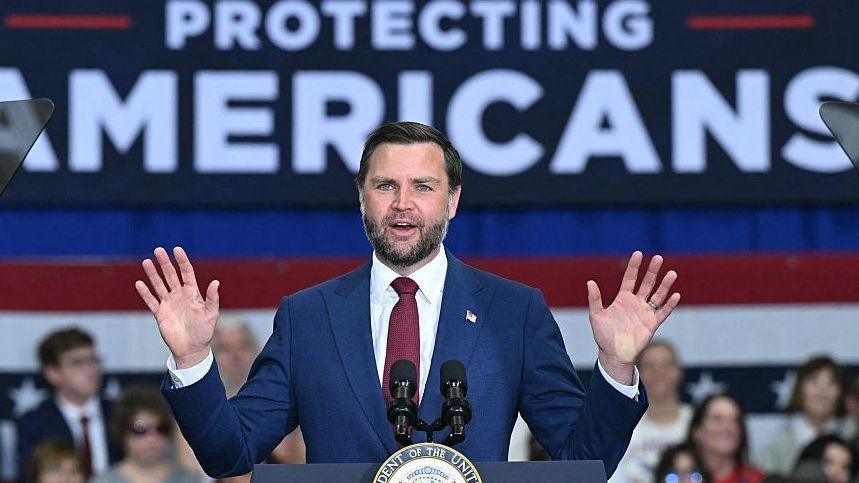
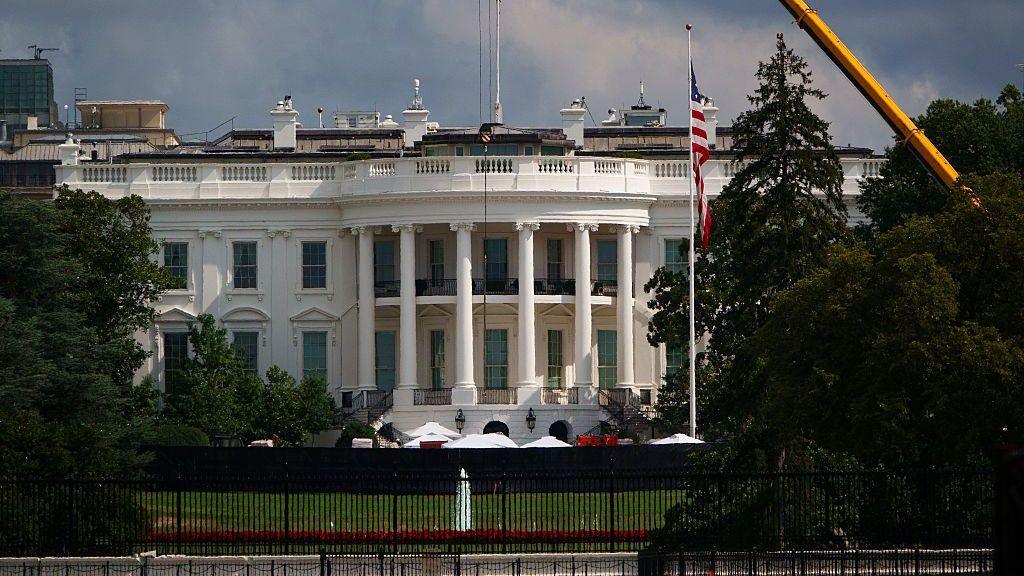
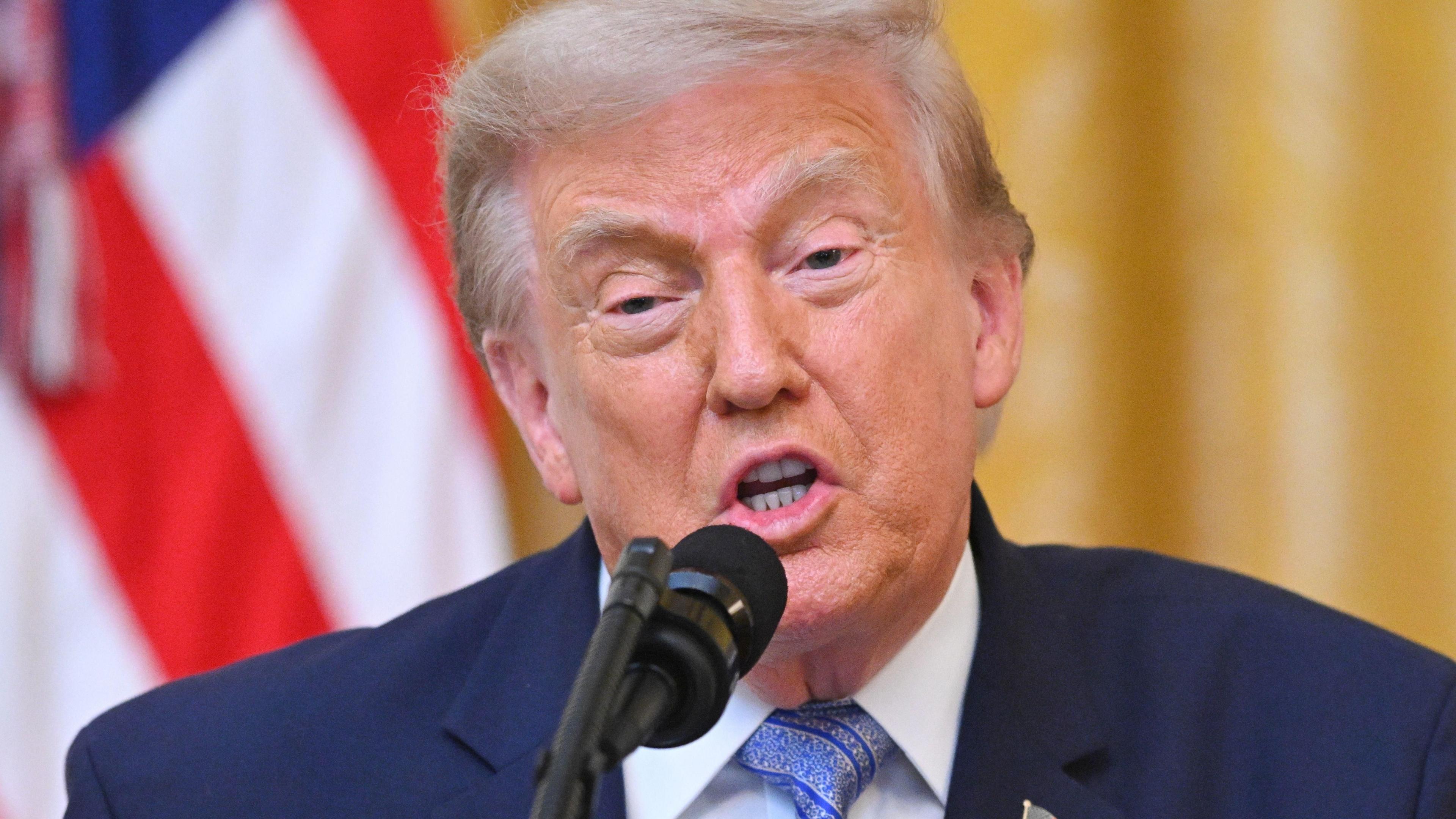
Former President Donald Trump has delivered a primetime White House address today, alleging that China interfered in the 2020 U.S. election and exposed serious flaws in the nation's voting systems.
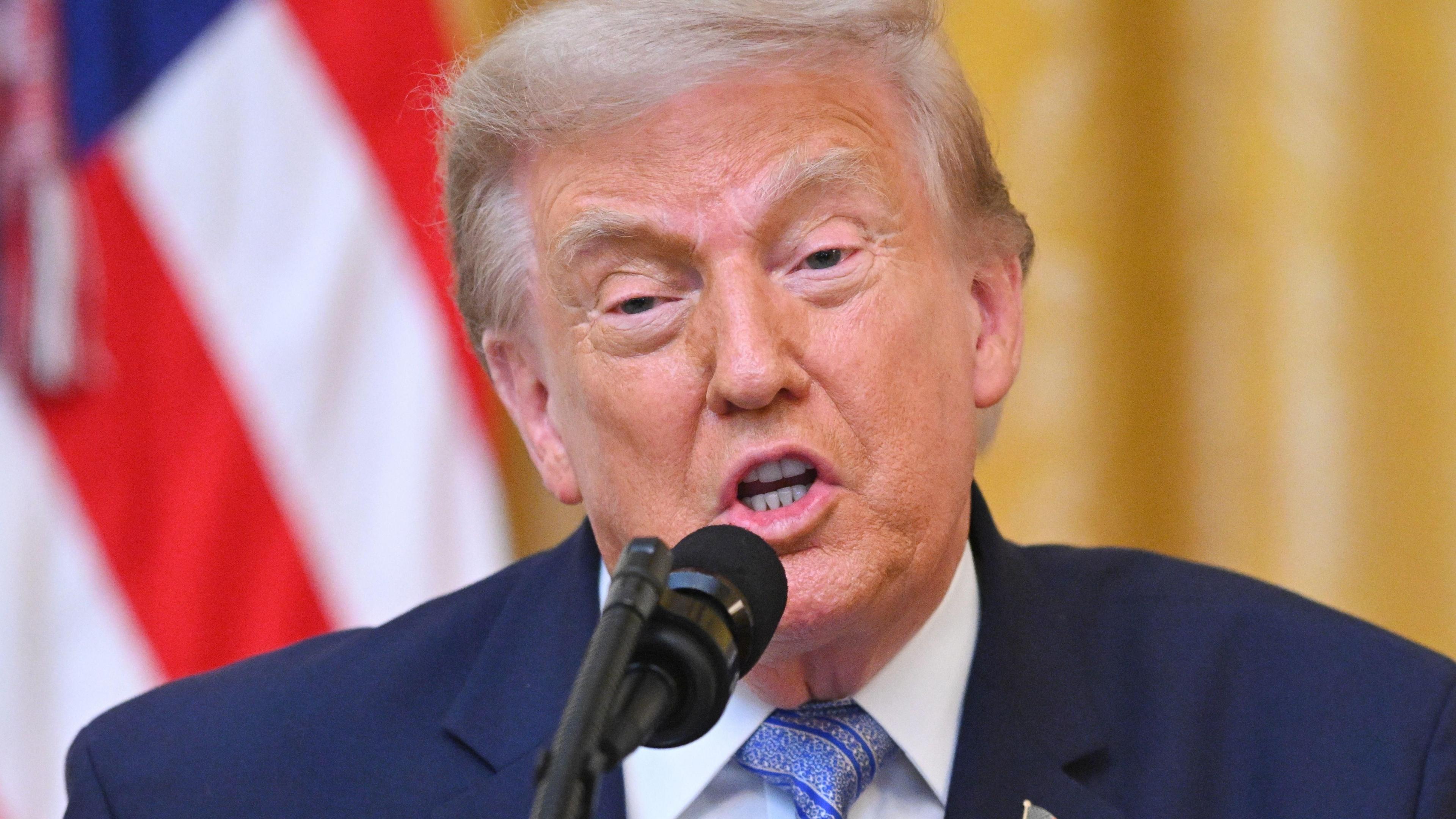
During a half‑hour speech—three months before the mid‑term elections—Trump said he had declassified hundreds of intelligence reports that purportedly showed Beijing seeking to sway the election in favor of President Joe Biden. The president claimed that China illegally possessed 220 million voter files, some of which he said were bought, stolen or hacked across 18 states.
The U.S. intelligence community, however, has repeatedly concluded that China did not participate in the 2020 election. A 2021 National Intelligence Council report stated that China had no desire to influence the outcome and deemed any such attempts a risk that the country would not afford.
China’s foreign ministry dismissed Trump’s allegations as “entirely fabricated,” calling them “malicious smears” that have been proven groundless. The White House released a heavily redacted trove of documents as part of the address—a collection that the BBC is still reviewing.
Democrats reacted angrily. Senate Democratic Leader Chuck Schumer tweeted: “Let us be clear – in America, voters choose their leaders, not the other way around.” He warned that Trump’s speech could deter voters from participating by sowing doubt about electoral security.
Trump also critiqued the U.S. Cybersecurity and Infrastructure Security Agency’s statement that the 2020 election was the most secure in history, citing vulnerabilities that he said could be exploited by foreign adversaries such as Russia, China or Iran.
Adding to his agenda, the president called for Congress to pass the SAVE America Act. The bill would restrict mail‑in voting, require proof of citizenship for registration and compel photo ID for ballots—regulations that have stalled in the Senate.
While critics view the speech as an attempt to undermine the legitimacy of the upcoming November election, supporters argue it highlights a real need to safeguard America’s electoral infrastructure. The political debate continues as the country heads toward the 2026 mid‑terms, where control of Congress will decide the rest of Trump’s presidency.