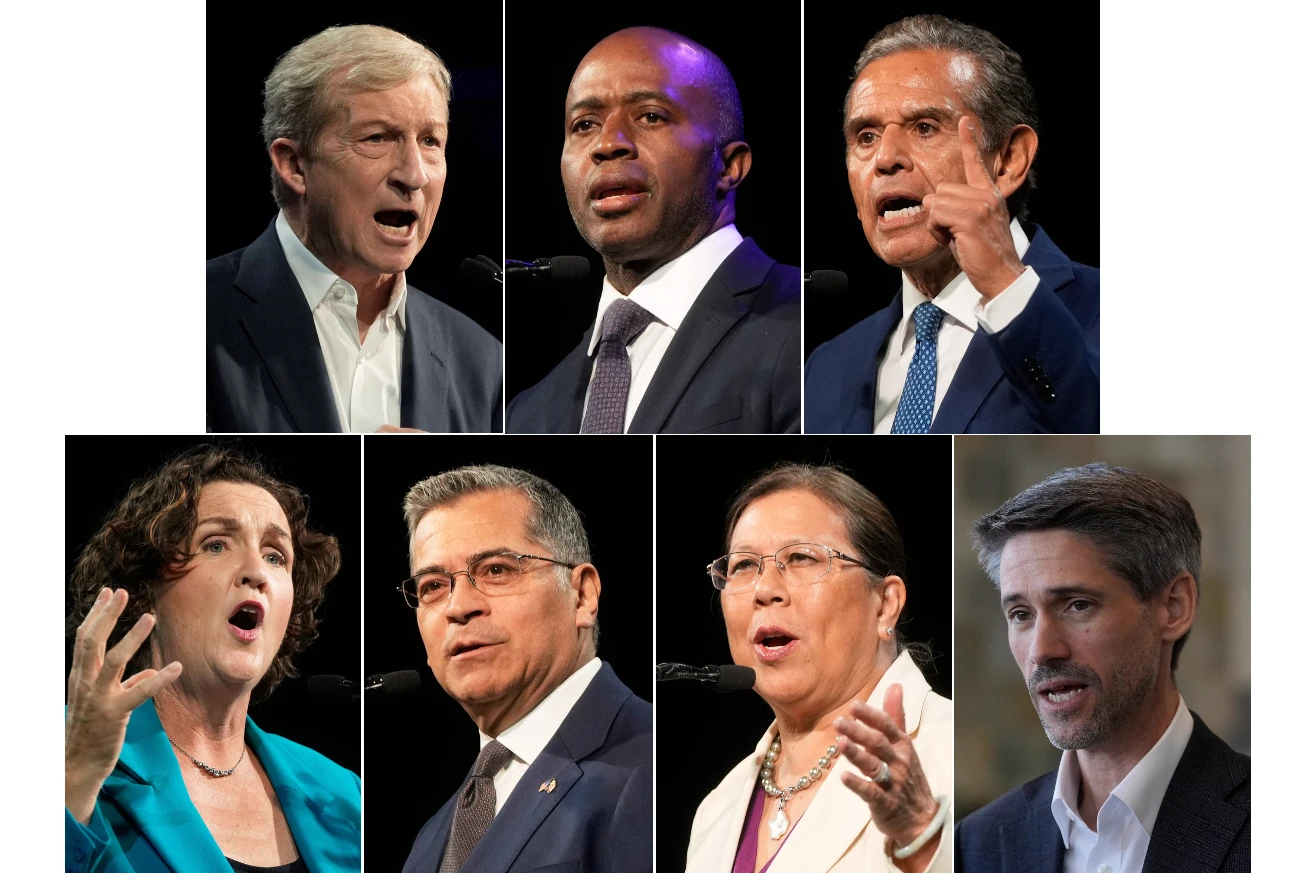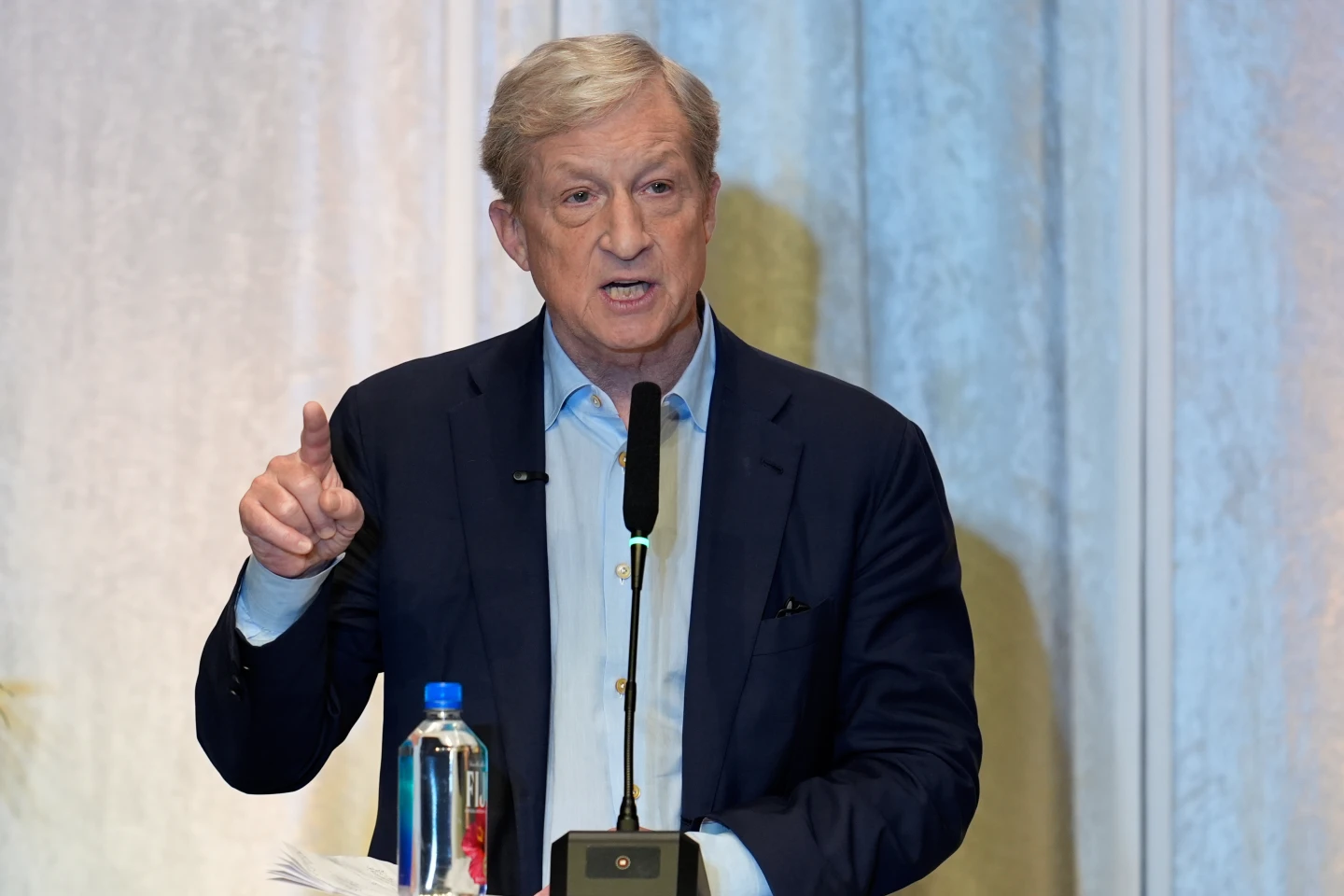
LOS ANGELES (AP) — In the competitive landscape of California's gubernatorial race, billionaire Tom Steyer is making headlines with his unprecedented spending. The hedge fund mogul turned progressive activist is leveraging his considerable wealth to flood airwaves with advertisements, prompting critics to accuse him of attempting to purchase the state's highest office.
Steyer's ads, which propose lowering household costs and attacking federal immigration raids, have become ubiquitous in heavily Democratic Los Angeles, the state's largest media market. According to data from AdImpact, Steyer has already shelled out over $115 million on ads across broadcast TV, cable, and radio, significantly outpacing his closest rival in the Democratic primary.
If he advances beyond the June 2 primary, Steyer risks surpassing the record set by Republican Meg Whitman in 2010, whose failed gubernatorial campaign cost her $178.5 million, predominantly financed by her own wealth. Current data suggests that even when combining advertising dollars spent by all rivals and supporting independent committees, Steyer's expenditures still eclipse the entire field by tens of millions.
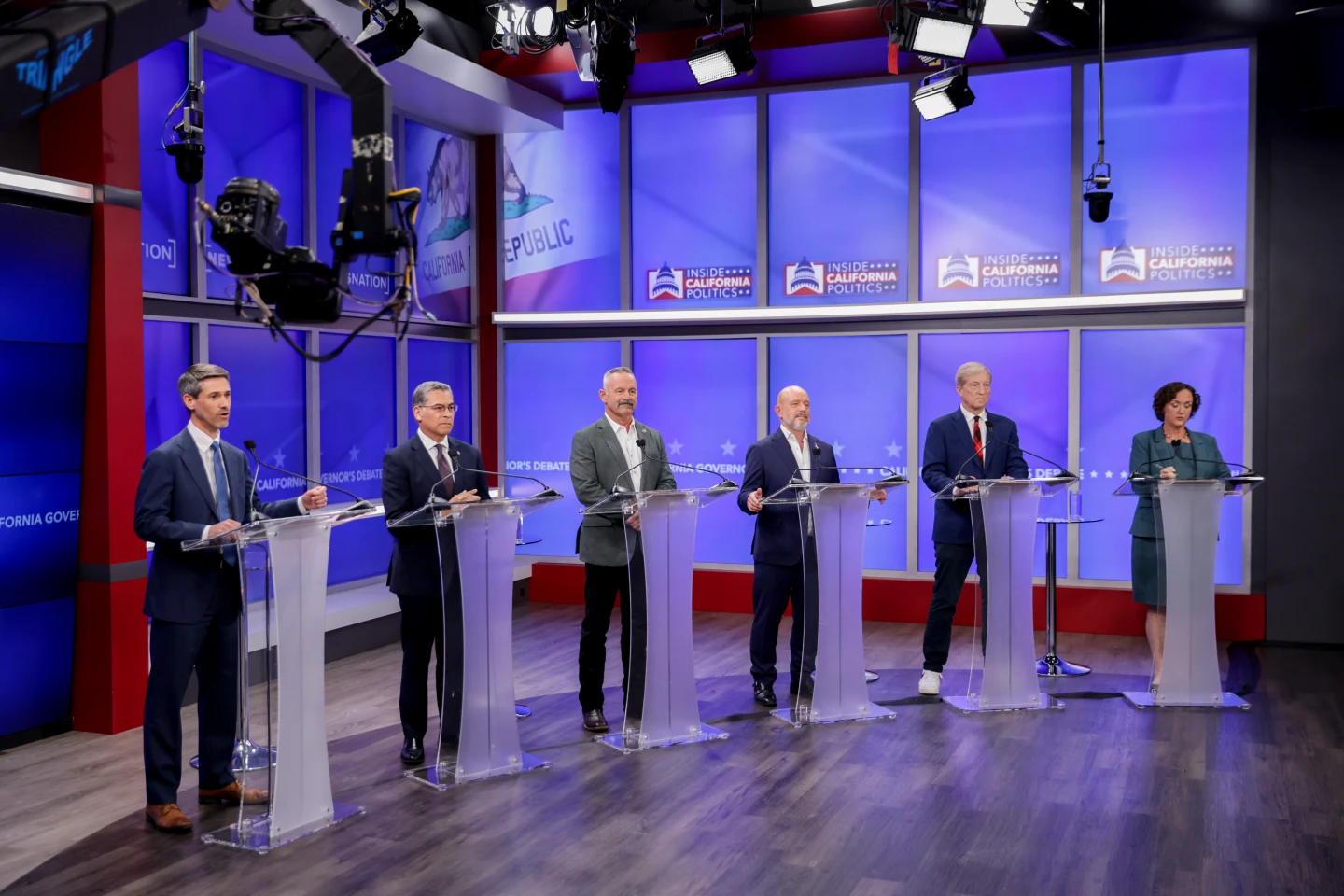
Steyer's competitors, including former U.S. Rep. Katie Porter, have begun to voice concerns regarding the influence of billionaire finances in politics. Billionaire money is flooding our state in an attempt to buy this election, Porter cautioned her supporters.
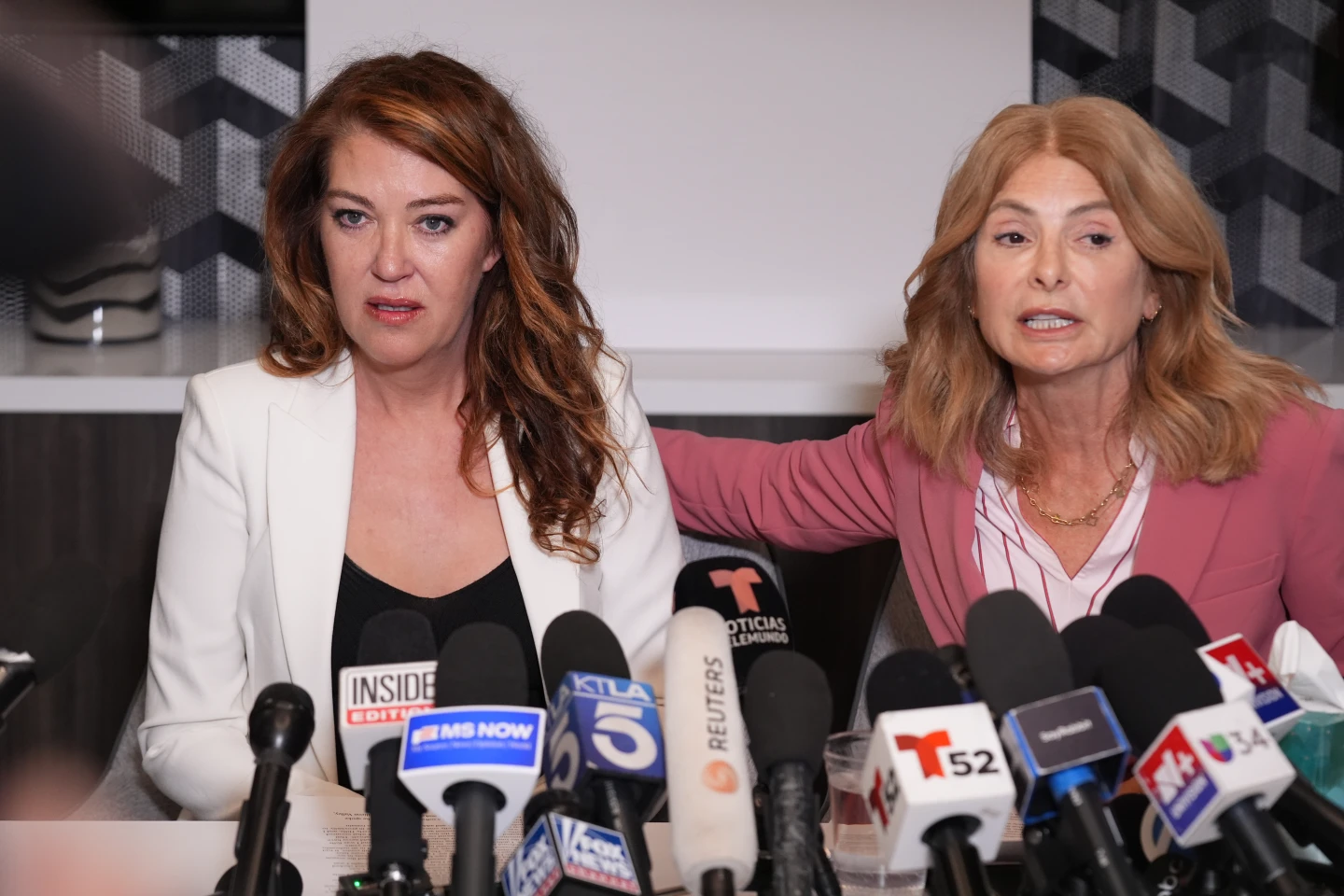
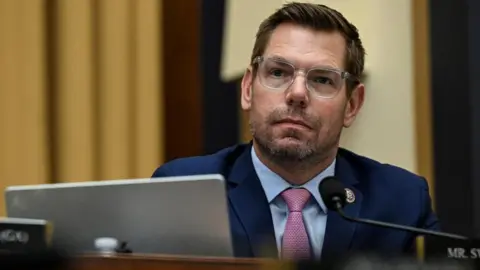
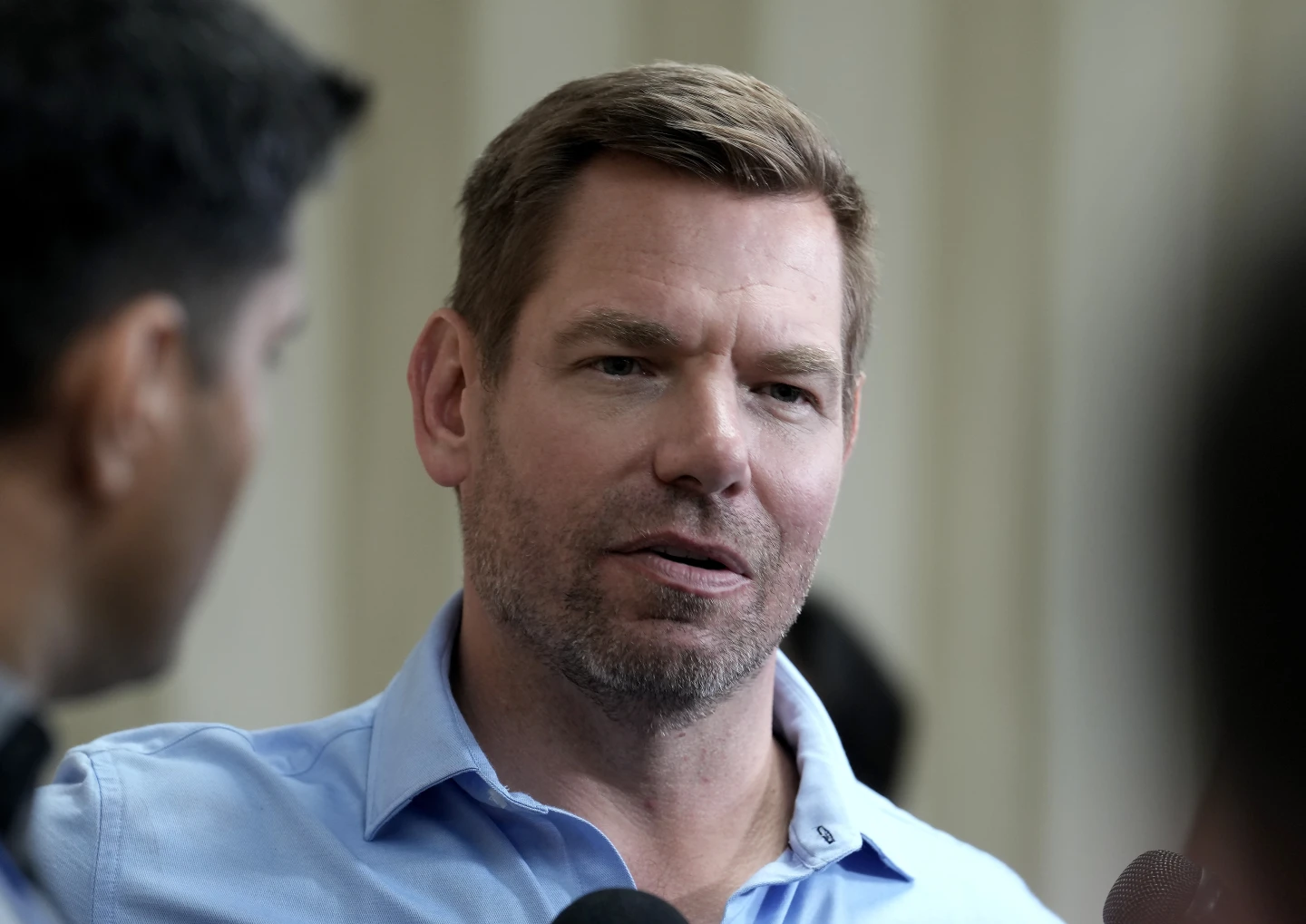
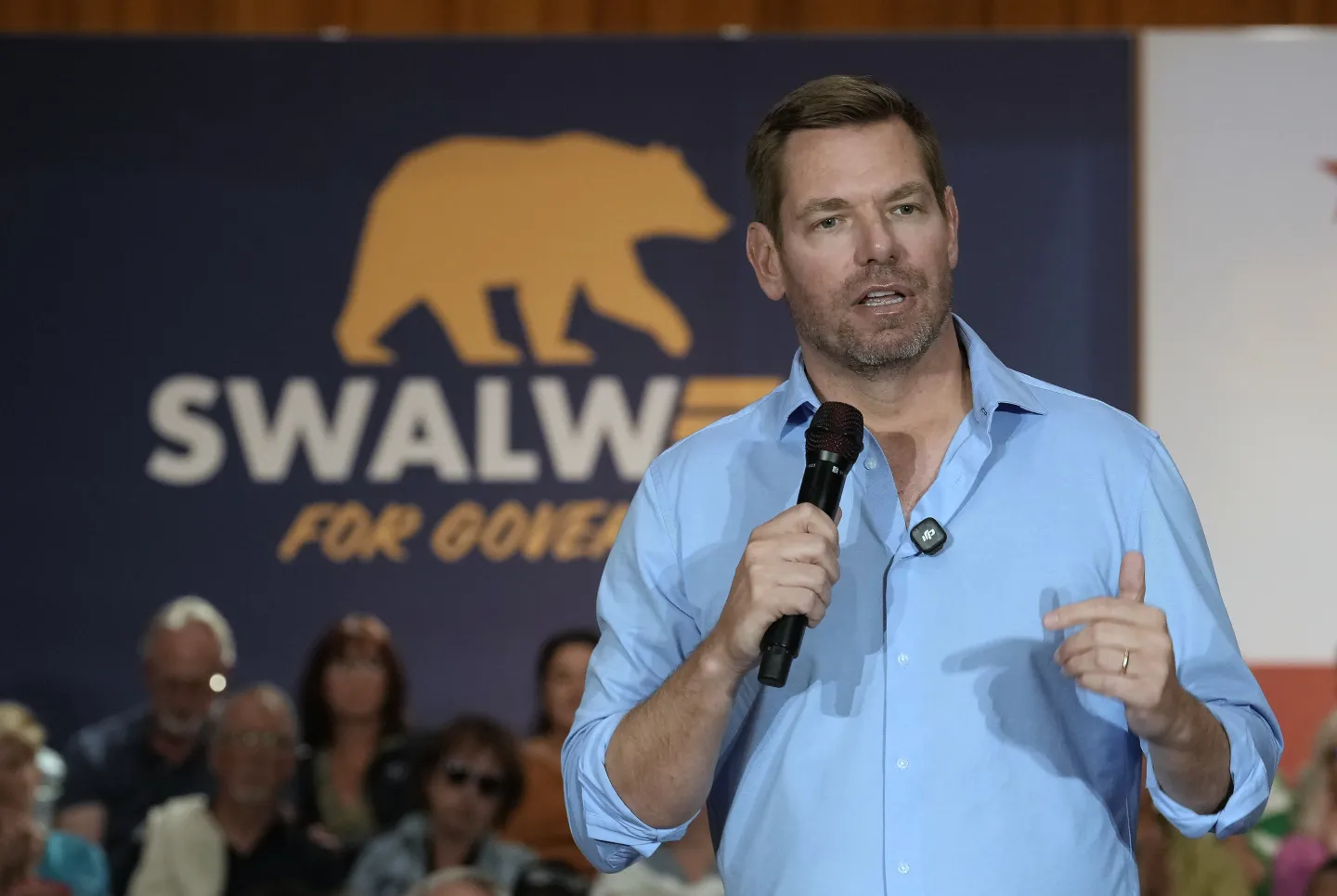
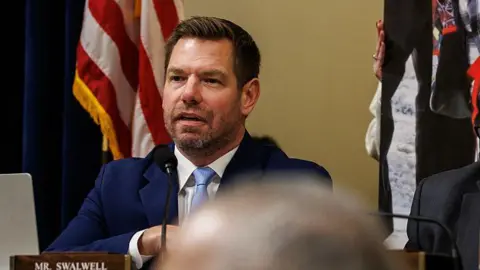
As mail-in ballots get ready for distribution, Steyer finds himself in an evolving race following Eric Swalwell's unexpected withdrawal due to sexual assault allegations. Despite the surge in spending, polling indicates that Steyer has yet to detach himself from a multifaceted competition.
Political strategists reflect on the broader implications of such financial investments in campaigns. Even with an influx of funds, the historical trend showcases that substantial spending does not translate directly into electoral success.
Steyer, who has never held elected office, has been adamant about utilizing his business success to fund his political aspirations. His spokespeople assert that he represents the Democratic candidate with the necessary grassroots momentum and institutional backing to succeed in the general election.
Currently, the race lacks a clear frontrunner, with candidates vying for recognition in a saturated field. As candidates maneuver and reposition themselves following impactful events, the ultimate outcome remains uncertain.